Best Practices for Quality Control in Desktop Screw Robots | Industrial Automation Tips
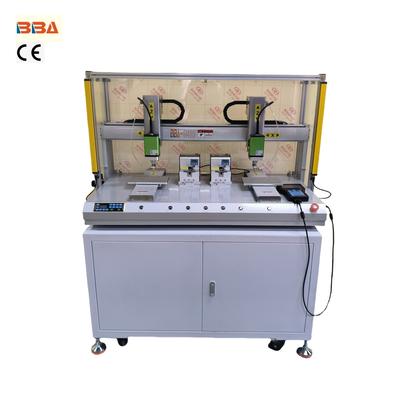
| Product Name | Applicable industries |
| Dual Head Screwdriver | Industrial Control Panel Assembly |
Best Practices for Quality Control in Desktop Screw Robots
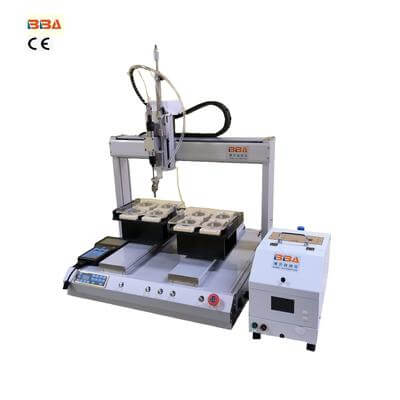
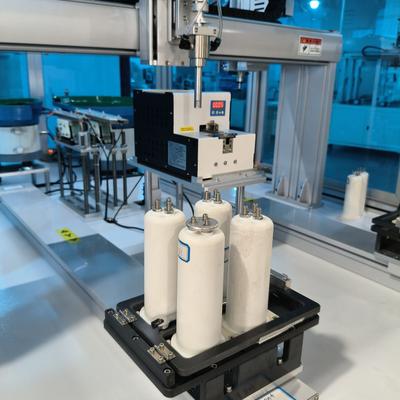
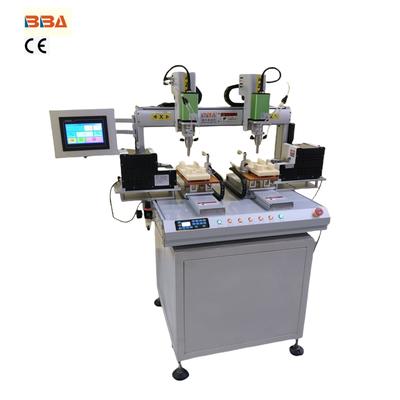
Desktop screw robots are revolutionizing assembly lines by delivering precision, speed, and consistency. However, maintaining high-quality output requires a proactive approach to quality control. Implementing effective strategies ensures these compact automation tools meet industry standards while minimizing downtime and costly errors. Below are essential best practices to optimize quality control for desktop screw robots.
1. Regular Calibration and Verification
Calibration is the backbone of precision in screw-driving applications. Over time, mechanical wear or environmental factors can alter a robot’s alignment, leading to misdriven screws or incomplete fastening. Schedule routine calibration checks using certified tools to validate torque accuracy, driving speed, and positional alignment. Automated verification systems can further enhance reliability by confirming each screw’s proper seating and torque value in real time.
2. Standardized Screw and Feeder System Checks
Inconsistent screw dimensions or feeder malfunctions are common sources of defects. Establish strict protocols for inspecting screw quality, including diameter, length, and thread integrity. Pair this with a well-maintained feeder system to prevent jams or misfeeds. Vibratory feeders should be cleaned regularly, and sensors should monitor screw orientation to ensure correct pickup by the robot.
3. Real-Time Monitoring and Error Detection
Integrate sensors and IoT-enabled devices to track performance metrics such as torque curves, cycle times, and error rates. Instant alerts for deviations—like over-torque or skipped screws—allow operators to address issues before they escalate. Data logging also supports traceability, enabling root cause analysis for recurring problems.
4. Preventive Maintenance Routines
Dust, debris, or lubricant buildup can impair a robot’s functionality. Develop a maintenance checklist that includes:
- Cleaning the screw-driving head and vacuum systems.
- Inspecting belts, motors, and gears for wear.
- Replacing worn components like bit tips or grippers.
5. Operator Training and Documentation
Even automated systems rely on human oversight. Train operators to recognize early signs of malfunction, such as unusual noises or inconsistent cycle times. Provide clear documentation for setup, troubleshooting, and emergency protocols. Cross-functional training fosters a culture of quality awareness across teams.
6. Process Validation and Continuous Improvement
Periodically validate the entire screw-driving process through sample testing and statistical analysis. Use tools like Six Sigma or Lean methodologies to identify inefficiencies. Encourage feedback from production teams to refine workflows and adopt new technologies, such as AI-driven predictive maintenance or advanced vision systems.
By integrating these practices, manufacturers can maximize the reliability and efficiency of desktop screw robots. Rigorous quality control not only reduces defects but also strengthens competitiveness in fast-paced industrial environments. Investing in precision, monitoring, and continuous improvement ensures these systems remain indispensable assets for modern automation challenges.