The Evolution of Robotic Screw Drivers: Precision in Manufacturing
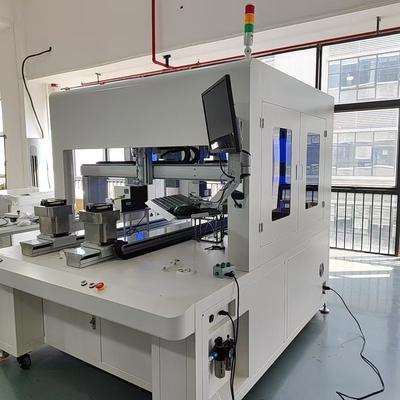
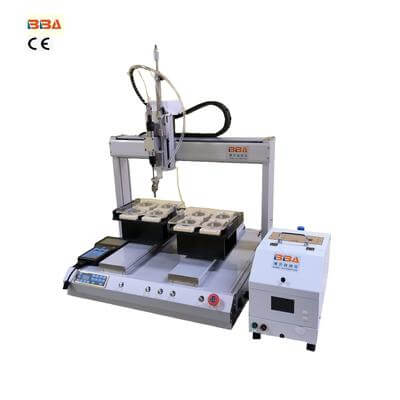
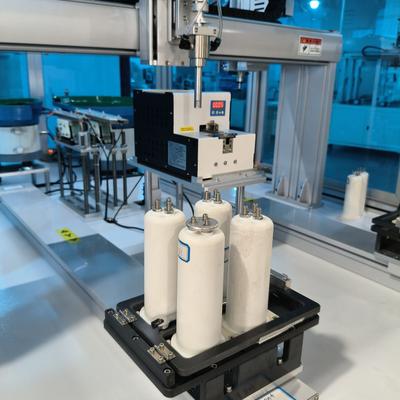
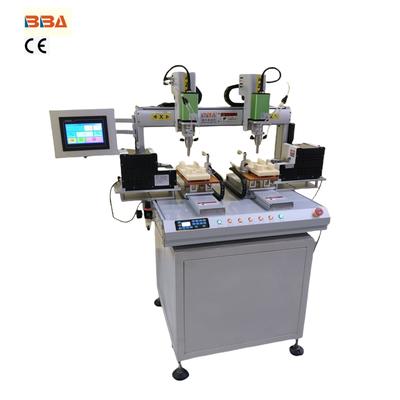
The robotic screw driver, a cornerstone of modern industrial automation, revolutionized manufacturing processes by combining precision, speed, and reliability. Its evolution mirrors the broader advancements in robotics and automation, shaping industries from automotive assembly lines to consumer electronics production. Let’s explore the fascinating journey of this indispensable tool.
Early Beginnings: Manual Tools to Electric Innovation
Before automation, screw fastening relied entirely on manual labor. Workers used handheld screwdrivers, a time-consuming and ergonomically challenging process. The introduction of electric screwdrivers in the mid-20th century marked a turning point. These early electric tools improved speed but still required human operation, limiting scalability and consistency.
The Rise of Industrial Robotics
The 1980s saw the integration of robotics into manufacturing. Early robotic screw drivers emerged as part of programmable automation systems. Equipped with basic sensors and pneumatic actuators, these machines could perform repetitive tasks with improved accuracy. However, their rigidity and limited adaptability restricted use to high-volume, low-mix production environments.
Advancements in Precision and Flexibility
The 2000s brought breakthroughs in servo motor technology and machine vision. Robotic screw drivers evolved to include torque control, error detection, and self-correction features. Collaborative robots (cobots) further expanded application, enabling humans and machines to work side by side. These systems could handle varying screw sizes, materials, and angles, making them ideal for industries like aerospace and medical device manufacturing.
Smart Automation and Industry 4.0
Today’s robotic screw drivers are integral to smart factories. IoT-enabled devices collect real-time data on torque, cycle times, and maintenance needs. AI algorithms optimize tightening sequences and predict equipment failures. For example, adaptive systems can adjust torque based on material density or environmental factors, ensuring consistent quality in industries like automotive electronics, where micron-level precision is critical.
Sustainability and Future Trends
Modern robotic screw drivers contribute to sustainable manufacturing by minimizing material waste and energy consumption. Future developments may include quantum-sensitive torque control for nanoscale assembly or fully autonomous systems that reconfigure production lines dynamically. As industries demand faster, greener, and more adaptable solutions, robotic screw drivers will continue to evolve as vital enablers of progress.
From humble manual tools to intelligent automation marvels, robotic screw drivers exemplify the transformative power of industrial innovation. Their history is not just about technology—it’s a story of how precision engineering continues to redefine what’s possible in manufacturing.
| Product Name | Applicable Industry |
| Screw Fastening Unit | Power Tool Assembly Line |