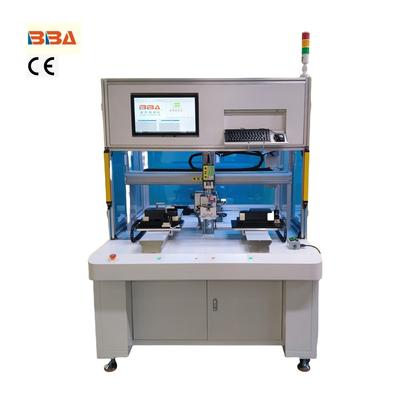
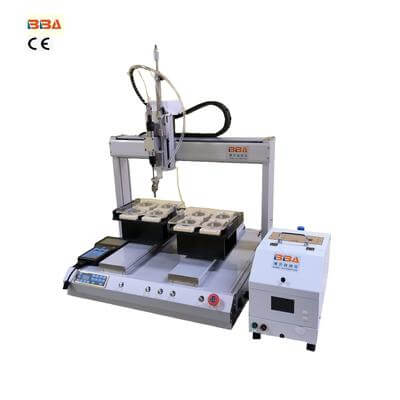
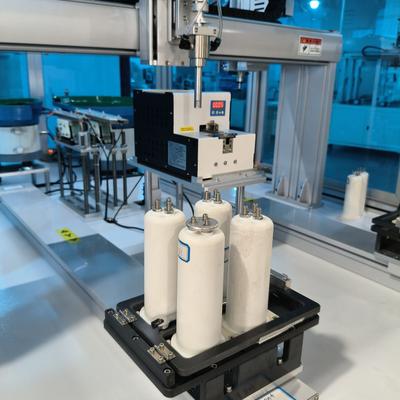
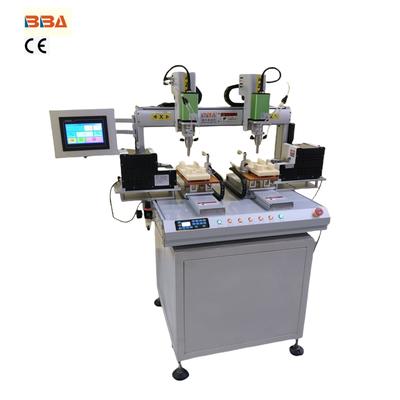
Auto Screwdriver Machine for Automotive Electronics Assembly | Industrial Automation Solutions
| Product Name | Applicable Industry |
| Auto Screwdriver Machine | Automotive Electronics Assembly |
Understanding the Role of Screw Feeding in Assembly Lines
In modern manufacturing, the efficiency and precision of assembly lines are critical to meeting production demands. Among the many components that contribute to seamless operations, screw feeding systems play a surprisingly vital role. These systems ensure that screws are delivered, aligned, and driven into products with accuracy, minimizing errors and maximizing throughput.
The Backbone of Precision Assembly
Screw feeding mechanisms are designed to handle high-speed assembly tasks where even a minor misalignment can lead to product defects or downtime. By automating the delivery of screws, these systems eliminate manual handling, reducing the risk of human error and workplace injury. Advanced feeders use vibration, pneumatic pressure, or magnetic systems to orient screws correctly, ensuring they are positioned for robotic arms or automated drivers to fasten them into place.
Key Technologies in Screw Feeding
- Vibratory Bowl Feeder: Uses controlled vibrations to sort and align screws based on size and orientation.
- Vision-Guided System: Cameras and sensors verify screw placement before fastening, enhancing quality control.
- Robotic Integration: Collaborative robots (cobots) work alongside feeders to handle complex assembly patterns.
Challenges and Solutions
While screw feeding systems streamline production, challenges such as screw jamming, material compatibility, and variable screw sizes can disrupt workflows. Modern solutions include adaptive algorithms that adjust feeding speed based on real-time data, anti-jamming mechanisms, and modular designs that accommodate multiple screw types without requiring hardware changes.
The Future of Automated Fastening
As industries adopt Industry 4.0 practices, screw feeding systems are evolving with IoT connectivity and predictive analytics. Smart feeders can now monitor wear-and-tear, predict maintenance needs, and optimize energy consumption. Additionally, advancements in AI enable these systems to learn from production patterns, further refining speed and accuracy over time.
From consumer electronics to automotive manufacturing, the humble screw feeding system remains an unsung hero of industrial automation. By combining precision engineering with intelligent technology, it continues to drive the reliability and scalability of assembly lines worldwide.