Custom Automation Solution for Specialized Assembly Requirements | Industrial Automation System
| Product Name | Applicable Industry |
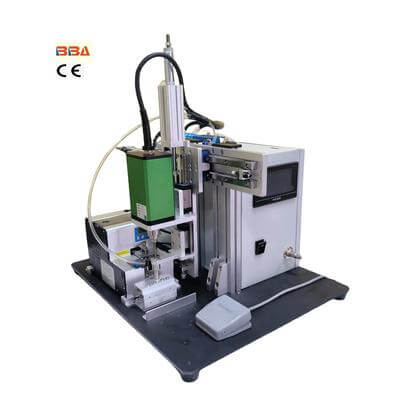
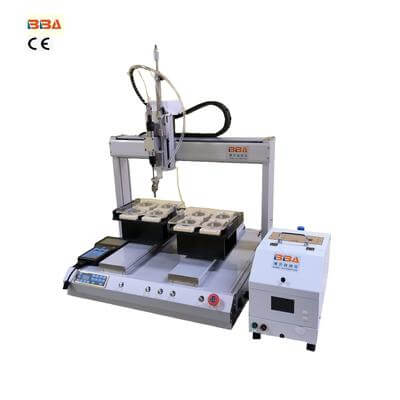
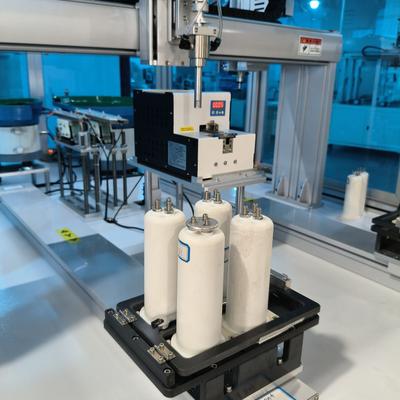
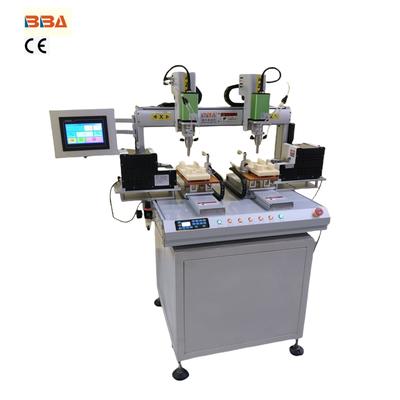
| Automatic Screw Feeder | Electric Bicycle Assembly |
Customization Options for Special Assembly Requirements
In the fast-evolving landscape of industrial automation, manufacturers increasingly face unique challenges that demand tailored solutions. Standardized automation systems, while efficient for common applications, often fall short when addressing specialized assembly requirements. Customization has emerged as a critical factor in ensuring precision, scalability, and competitive advantage across industries such as aerospace, automotive, medical devices, and heavy machinery.
The Need for Tailored Automation Solutions
Special assembly requirements often stem from factors like complex component geometries, strict regulatory standards, or unique production environments. For instance, industries handling ultra-sensitive materials may require contamination-free workflows, while others might need robotics capable of extreme precision in micro-scale operations. Customized automation systems bridge this gap by integrating adaptable hardware, specialized software, and industry-specific safety protocols.
Key Customization Strategies
Modular Hardware Design: Scalable robotic arms, configurable conveyors, and adaptive end-effectors allow manufacturers to adjust workflows without overhauling entire systems. This approach reduces downtime and supports future expansion.
Custom Software Integration: Proprietary algorithms and machine learning models can optimize processes like defect detection or predictive maintenance. API integration enabling seamless communication between legacy machinery and new automation tools is equally vital.
Material-Specific Tooling: From anti-static grippers for electronic components to food-grade compliant materials, tailored tooling ensures compliance and reduces waste in specialized applications.
Industry-Specific Adaptations
In aerospace, automation systems may incorporate non-magnetic components to prevent interference with sensitive instrumentation. Medical device manufacturers might prioritize traceability features to meet FDA regulations, while automotive suppliers could require high-speed assembly lines capable of handling multiple product variants simultaneously.
Future-Proofing Through Flexibility
Advanced customization now emphasizes not only solving current challenges but also anticipating future needs. Systems designed with IoT-enabled sensors and edge computing capabilities allow real-time adjustments, while modular architecture enables easy upgrades as technology evolves.
Implementing customized automation solutions requires close collaboration between manufacturers and automation partners. From initial feasibility studies to post-deployment optimization, a phased approach ensures alignment with production goals and ROI expectations.
As industrial processes grow more complex, the ability to adapt automation systems to unique requirements will define market leaders. By leveraging cutting-edge engineering and industry expertise, businesses can transform specialized assembly challenges into opportunities for innovation and growth.