Industrial Robot Maintenance Guide: Extending Auto Screwdriver Machine Lifespan | Industrial Automation
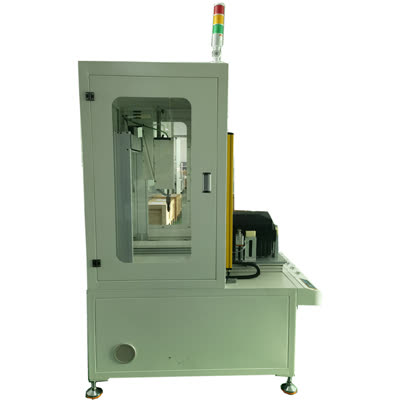
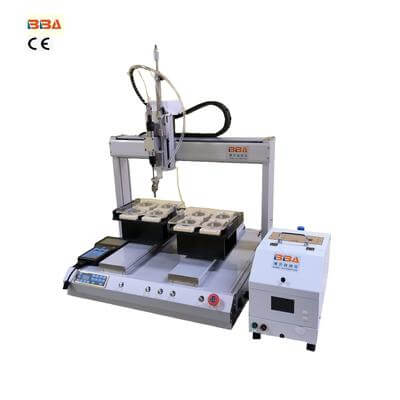
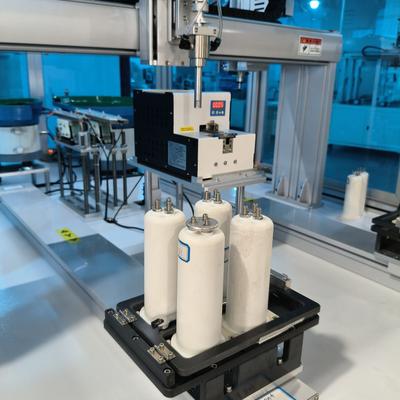
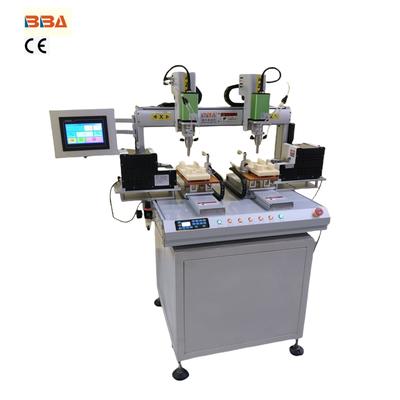
| Product Name | Applicable industries |
| Auto Screwdriver Machine | LED Lighting Industry |
Industrial robots, such as screw driving machines, are the backbone of modern manufacturing. To ensure they operate at peak efficiency for years, proactive maintenance is critical. This guide outlines practical steps to extend your equipment’s lifespan while minimizing downtime.
Daily Maintenance: The First Line of Defense
Begin each shift by inspecting the machine’s drive belts, torque sensors, and fastener feed systems. Wipe down exposed surfaces with anti-static cloths to prevent dust ingress. Verify that alignment pins show no signs of deformation – even 0.5mm deviations can reduce positioning accuracy by up to 18% over time.
Lubrication Protocols for Moving Parts
Apply high-performance grease to the Z-axis linear guides every 400 operating hours using a synthetic polyurea-based lubricant. For pneumatic models, replace air filter lubricators quarterly and monitor compressor moisture levels. Remember: Over-lubrication can attract contaminants just as easily as under-lubrication.
Calibration Frequency Matters
Conduct torque calibration biweekly using certified test screws. Track deviations in a maintenance log – consistent drifts above 3% warrant controller board inspections. For critical applications, implement thermal compensation adjustments based on seasonal ambient temperature ranges in your facility.
Proactive Component Replacement
Replace servo motor brushes after 1,200 hours of operation, even if they appear intact. Swap out aging vibration feeders’ elastomer pads annually to maintain consistent part orientation. Schedule replacement of stepper motor bearings at 5,000-hour intervals as preventive maintenance.
Data-Driven Diagnostics
Analyze cycle time trends monthly. A gradual 15% increase often precedes mechanical wear issues. Capture error code patterns through your PLC interface – three consecutive E-205 errors typically indicate imminent gearbox maintenance needs.
By integrating these practices into maintenance routines, facilities report up to 40% reductions in unplanned downtime. Consistent care ensures your screw driving systems deliver precision and reliability through their full operational lifecycle.