Automated Screwdriver Machine Solutions | Precision Assembly and Smart Manufacturing Applications Guide
| Product Name | Applicable industries |
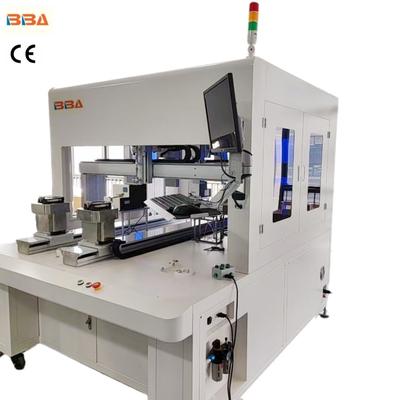
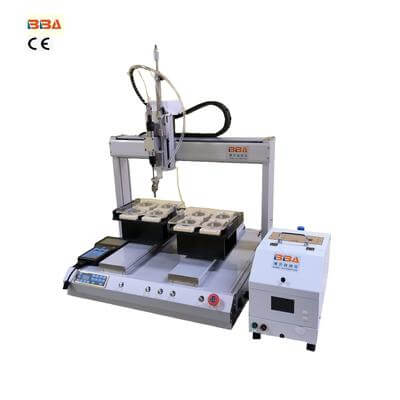
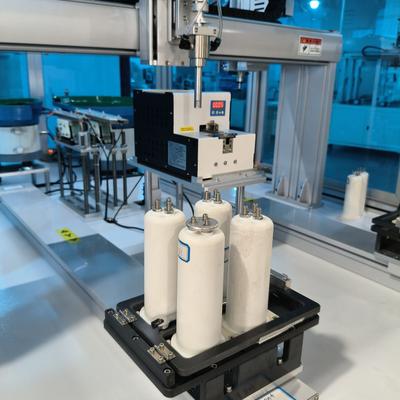
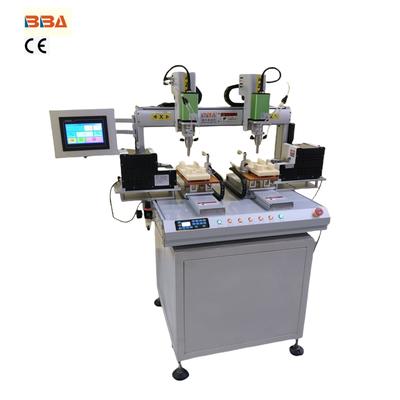
| Auto Screwdriver Machine | Smart Wearables Production |
Complete Guide to Automated Screw Tightening Solutions
In today’s fast-paced manufacturing landscape, precision, efficiency, and consistency are non-negotiable. Automated screw tightening solutions have become a cornerstone of modern assembly processes, enabling industries to meet rigorous production demands while reducing errors and downtime. This guide explores the fundamentals, benefits, and applications of these advanced systems.
Why Automated Screw Tightening Matters
Manual screwdriving is prone to inconsistencies, fatigue-related errors, and speed limitations. Automated systems eliminate these challenges by delivering precise torque control, repeatable results, and seamless integration into production lines. From automotive assembly to electronics manufacturing, industries rely on these solutions to ensure product quality and optimize throughput.
Key Components of Automated Systems
1. Torque Controllers
Advanced controllers monitor and adjust torque in real time, preventing under- or over-tightening. Programmable settings allow customization for different screw types and materials.
2. Feeding Mechanisms
Automatic screw feeders supply fasteners directly to the driver, reducing handling time. Options include vibratory bowls, tape-and-reel systems, or robotic pick-and-place units.
3. Adaptive Drive Units
Electric or pneumatic drivers equipped with sensors ensure consistent rotational speed and angular displacement, even for delicate components.
Applications Across Industries
- Consumer Electronics: High-speed assembly of smartphones, laptops, and wearables
- Automotive: Engine component assembly and interior trim installation
- Medical Devices: Sterile production of surgical tools and diagnostic equipment
- Appliances: Securing housings and internal mechanisms in white goods
Benefits of Automation
✓ 300-500% faster cycle times compared to manual processes
✓ Torque accuracy within ±1% for critical applications
✓ 99.8% defect reduction in fastened joints
✓ Ergonomic improvements and workplace safety enhancements
Choosing the Right System
Consider these factors when selecting a solution:
- Maximum torque range (0.1 Nm to 50+ Nm)
- Screw size compatibility (M1 to M12+)
- Integration with existing robotics or conveyors
- Data logging capabilities for quality assurance
Future Trends
Emerging technologies are reshaping this field:
- AI-powered predictive maintenance for screwdrivers
- Vision-guided systems for irregular surfaces
- IoT-enabled torque monitoring across multiple stations
- Lightweight cobot-compatible designs
Automated screw tightening solutions continue to evolve, offering smarter, more adaptable ways to meet manufacturing challenges. By understanding the technical specifications and strategic advantages of these systems, businesses can streamline operations while maintaining the highest quality standards.