Error Detection in Automatic Screw Machine: Precision Assembly Solution
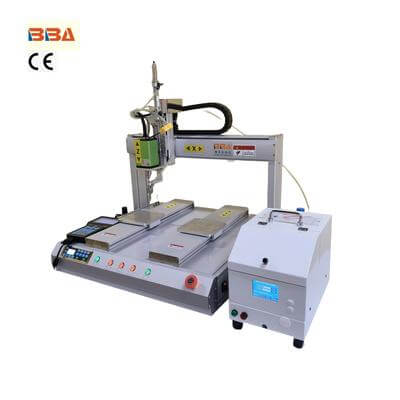
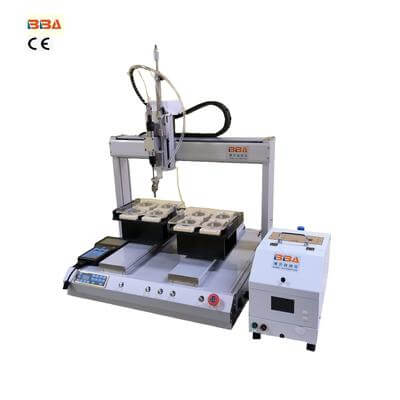
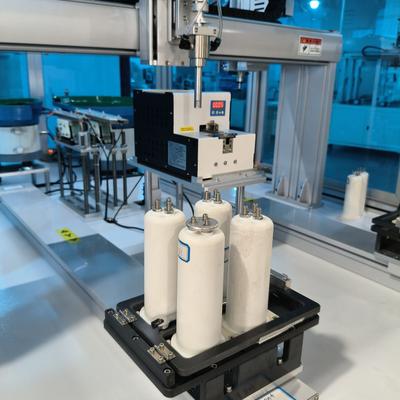
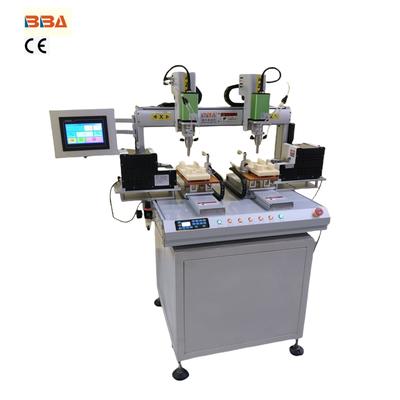
| Product Name | Applicable Industry |
| Auto Screwdriver Machine | Smartphone Manufacturing |
In modern manufacturing, the precision and reliability of assembly processes are critical to maintaining high-quality output. Automatic screw machines play a pivotal role in these operations, enabling rapid and consistent fastening in applications ranging from electronics to automotive manufacturing. One of the most significant advancements in this field is the integration of advanced error detection capabilities, which ensure that even the slightest deviation from the intended process is identified and addressed. This article explores the technology and methodology behind error detection in automatic screw machines and their impact on production efficiency.
The Importance of Error Detection in Screw Fastening
In high-speed assembly lines, undetected errors in screw fastening can lead to product defects, operational downtime, and costly recalls. Traditional screwdriving systems often rely on torque monitoring to detect issues, but this approach has limitations. Modern automatic screw machines now incorporate multi-layered error detection systems that analyze variables such as rotational speed, screw depth, angle, and resistance in real time. By continuously monitoring these parameters, manufacturers can identify anomalies like cross-threading, stripped screws, or missing components before they escalate into larger problems.
Key Technologies Driving Error Detection
Vision Systems and AI Algorithms: Advanced vision systems equipped with high-resolution cameras and machine learning algorithms can inspect screw position and orientation before and after fastening. These systems detect misalignments, incorrect screw types, or insufficient seating, triggering immediate corrective action. AI-powered analysis enhances accuracy by learning from historical data to predict and prevent recurring issues.
Force-Torque Sensing: Integrated force-torque sensors provide real-time feedback on the mechanical force applied during screwdriving. Deviations from predefined thresholds indicate potential issues, such as over-tightening or incomplete fastening. This data is synchronized with control systems to halt the process or adjust parameters automatically.
IoT-Enabled Predictive Maintenance: By connecting screw machines to IoT networks, manufacturers gain insights into equipment performance trends. Predictive analytics can flag wear and tear on components like drill bits or feeders, enabling proactive maintenance before failures occur. This reduces unplanned downtime and extends equipment lifespan.
Enhancing Quality Control and Traceability
Error detection systems are integral to achieving robust quality control frameworks. Every detected error generates a log entry with timestamps, machine identifiers, and defect classifications. This data supports traceability initiatives, allowing manufacturers to pinpoint root causes during audits or recalls. Additionally, automated error reporting streamlines compliance with industry standards such as ISO 9001, ensuring consistent product quality across batches.
Future Trends in Error Detection
The next generation of automatic screw machines will likely leverage edge computing and digital twin technology to further refine error detection. Edge computing enables on-device data processing for faster response times, while digital twins simulate assembly processes to test scenarios and preemptively optimize parameters. As industries embrace Industry 4.0, the convergence of AI, IoT, and automation will redefine precision in screw fastening, minimizing defects and maximizing operational efficiency.
In conclusion, error detection capabilities in automatic screw machines are transforming manufacturing landscapes by embedding intelligence into every stage of the fastening process. These innovations not only safeguard product quality but also empower businesses to meet evolving market demands with agility and confidence.