Reduce Labor Costs with Automatic Screw Feeders - Industrial Automation
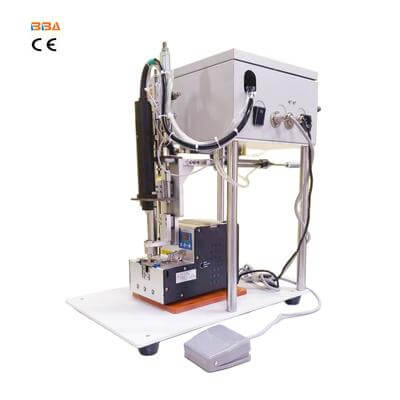
How Automatic Screw Feeders Reduce Labor Costs
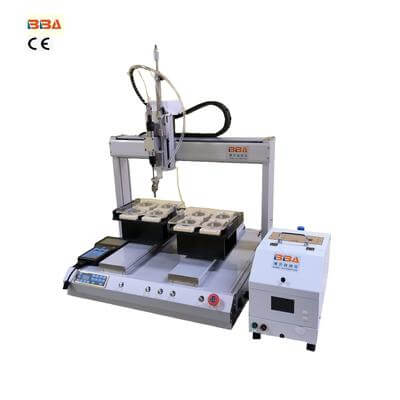
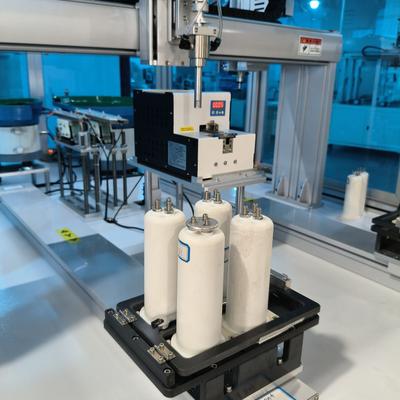
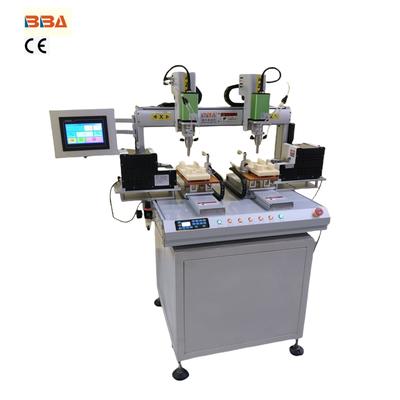
In today’s competitive manufacturing landscape, optimizing operational efficiency is crucial. Manual screw fastening processes often involve repetitive motions, precision requirements, and physical strain – all contributing to significant labor expenses. Automatic screw feeders revolutionize this task by integrating precision engineering with smart automation, directly targeting labor cost reduction while enhancing production quality.
Direct Workforce Reduction
Traditional screw assembly lines require multiple operators for tasks like part alignment, screw placement, and torque verification. Automatic screw feeders consolidate these steps into a single automated system. One machine can replace 2–3 workers per shift, operating continuously without breaks. For factories running 24/7, this reduction translates to annual savings of $150,000–$250,000 in wages, benefits, and training costs alone.
Minimizing Human Error & Rework
Manual screw driving carries inherent risks: cross-threading, stripped screws, or inconsistent torque. These errors cause product defects, delays, and material waste. Automatic screw feeders eliminate variability with programmable torque control and precision feeding mechanisms. By ensuring 99.9% accuracy in screw placement, they cut rework costs by up to 40% and prevent recalls – safeguarding both revenue and reputation.
Accelerated Production Cycles
Speed directly impacts labor efficiency. Human operators average 10–15 screws per minute, while automatic feeders achieve 40–60 screws per minute consistently. This 300% increase in throughput allows fewer workers to manage higher output. Additionally, automated systems enable lights-out manufacturing – running unsupervised during nights or weekends – maximizing facility utilization without overtime pay.
Indirect Cost Savings
Beyond direct labor, automatic screw feeders lower ancillary expenses:
- Worker fatigue management: Reduced physical strain decreases injury rates and workers' compensation claims.
- Training simplification: Operators manage multiple machines simultaneously with minimal expertise.
- Material conservation: Precision feeding reduces screw loss and waste by 15–20%.
ROI & Long-Term Value
While the initial investment varies, most industrial facilities achieve ROI within 8–14 months through labor savings alone. Long-term, automation future-proofs operations. Production scalability no longer depends on hiring/training cycles, and quality consistency strengthens customer retention. As labor costs continue rising globally, automatic screw feeders provide a scalable solution to maintain competitiveness.
In summary, transitioning to automatic screw feeders isn’t just about replacing manual tasks – it’s a strategic overhaul. By slashing labor expenditures, minimizing errors, and boosting throughput, manufacturers gain a decisive edge. The result? Higher margins, resilient operations, and resources reallocated toward innovation-driven growth.
| Product Name | Applicable industries |
| Smart Screw Driving Machine | Telecommunication Equipment Assembly |