Robotic Screw Driving Systems: Precision Assembly Automation | Industrial Automation
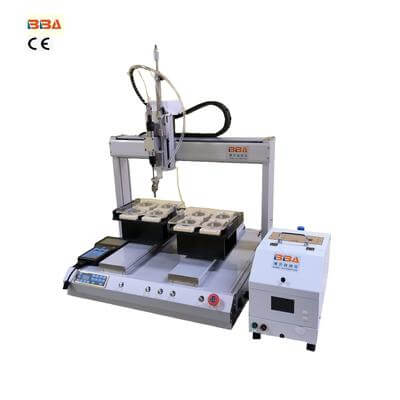
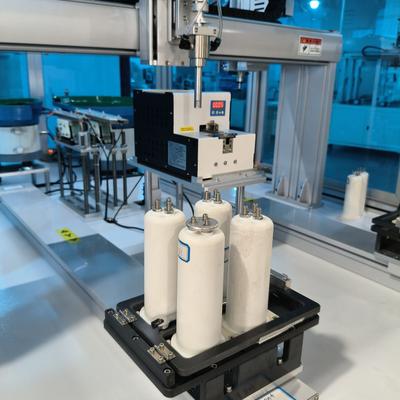
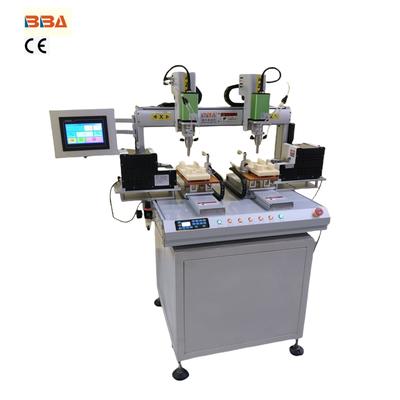
The rhythmic hum of advanced machinery fills the production floor as robotic screw drivers execute complex fastening sequences with astonishing dexterity. Captured in real factory settings, these systems demonstrate the future of industrial assembly—where speed, precision, and reliability merge to redefine manufacturing excellence.
Modern robotic screw driving systems employ sophisticated vision guidance and torque-control algorithms, enabling them to identify fastener locations to within 0.1mm accuracy. This technological synergy allows consistent performance even when handling diverse materials—from lightweight plastic housings to reinforced metal chassis. Automatic tool-changing capabilities further expand their versatility, adapting seamlessly to various screw types and sizes without manual intervention.
In automotive electronics assembly lines, these robotic units install circuit board components at rates exceeding 60 screws per minute, maintaining perfect torque consistency. The impact on quality control is profound: systems equipped with closed-loop monitoring instantly detect cross-threading or stripped heads with over 99.97% defect identification accuracy. This precision dramatically reduces costly rework cycles and protects sensitive components from damage during assembly.
Integration flexibility remains a cornerstone of modern solutions. Robotic screw drivers seamlessly connect with existing automation ecosystems through standardized interfaces, synchronizing effortlessly with conveyor tracking systems. This interoperability allows implementation in numerous settings—whether mounted on collaborative robotic arms for intricate appliance assembly or deployed as stationary units in high-volume consumer electronics production.
Operator collaboration features represent the next evolution. Advanced safety sensors enable human technicians to work adjacent to operating units, with intuitive HMI interfaces allowing instant programming adjustments. Integrated data analytics compile comprehensive reports on throughput efficiency and maintenance needs, with systems capable of predicting wear patterns on driver bits weeks before failure occurs. This predictive approach minimizes unexpected downtime while optimizing resource allocation.
Through real-world implementation, facilities report transformative outcomes. Production lines incorporating these automated fastening solutions typically achieve 55% faster cycle times while reducing operator ergonomic strain by eliminating repetitive manual tasks. The environmental implications are equally compelling—automated power management features decrease energy consumption by adjusting torque delivery based on material density, yielding up to 18% reduction in operational carbon footprint. Operational continuity reaches unprecedented levels as these machines maintain performance through multiple production shifts without fatigue-induced quality variance.
As Industry 4.0 advances, the role of intelligent fastening technology continues to expand. Emerging innovations are integrating enhanced AI-driven defect recognition to self-correct torque application mid-process, while IoT connectivity enables remote diagnostics and firmware updates. Combined with falling implementation costs, these developments make automated precision increasingly accessible worldwide.
Robotic screw driving systems exemplify how targeted automation solutions create compound value across the manufacturing ecosystem. Beyond the captivating motion of synchronized mechanical arms lies a fundamental transformation—where consistency, data intelligence, and resource optimization converge to redefine assembly excellence for the modern industrial landscape.
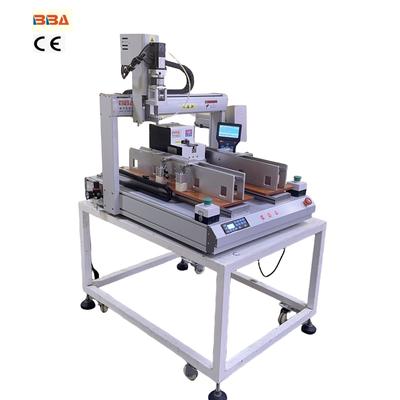
| Product Name | Applicable Industries |
| Inline Screw Locking System | Electric Bicycle Assembly |