Screw Feeding Automation Sustainability Benefits | Eco Manufacturing
Sustainability Benefits of Screw Feeding Automation
In manufacturing, every component is critical—especially the smallest fasteners that hold complex assemblies together. Manual screw driving operations create significant sustainability challenges, including material waste from imprecise applications and energy-intensive rework processes. Automated screw feeding systems address these inefficiencies while delivering measurable environmental advantages throughout the production lifecycle.
Precision-Driven Waste Reduction
Automated systems minimize over-tightening, cross-threading, and dropped screws—common errors in manual processes. Each mishap contributes to waste: damaged components become scrap, and misplaced screws require replacements. Automation achieves near-zero defect rates through precise torque control and positioning accuracy. For factories installing thousands of fasteners hourly, preventing even a 1% rejection rate translates to tons of conserved raw materials annually. The environmental impact extends beyond immediate waste reduction—fewer rejected assemblies mean less energy consumed for remanufacturing defective products.
Energy Optimization Across Operations
Modern screw feeding robots perform consistently at optimal speeds, using less energy per fastener than variable manual labor. Their targeted design eliminates idling between cycles and incorporates energy-saving standby modes during production pauses. Compressed air consumption—common in pneumatic feeders—is minimized through efficient valve controls and leak-detection algorithms. Furthermore, automated processes accelerate assembly line throughput. By completing tasks faster, entire facilities reduce operational hours, slashing overall energy usage for lighting, HVAC, and auxiliary equipment.
Extended Equipment Lifespan & Maintenance Efficiency
Consistent torque application prevents mechanical stress on products, reducing premature failure rates and increasing end-product durability. This prolonged service life decreases replacement cycles and their associated carbon footprints. The machinery itself also benefits: precision systems experience less wear than handheld tools subjected to human error and inconsistent handling. Predictive maintenance sensors in robotic feeders detect alignment shifts or component degradation early, enabling proactive repairs that prevent catastrophic failures. This dual preservation—of both manufactured goods and production equipment—delivers circular economy advantages by maximizing resource utilization.
Supply Chain & Logistics Enhancements
Error-free assembly stabilizes downstream logistics. Fewer defects mean fewer product recalls, reducing transportation emissions from return shipments and replacements. Inventory management improves since automated systems accurately document fastener consumption, enabling just-in-time procurement that minimizes warehouse stockpiles and packaging waste. Some systems even incorporate bulk feeding technology that replaces single-use plastic screw packaging with reusable containers or direct bulk loading, eliminating millions of disposable bags annually from landfills.
Workplace Safety & Social Sustainability
Beyond ecological metrics, screw feeding automation supports social sustainability objectives. Removing repetitive manual tasks reduces ergonomic injuries and musculoskeletal disorders among line workers. Safety improvements decrease occupational healthcare demands and production downtime from accidents. Meanwhile, technicians transition to higher-value supervision and maintenance roles, fostering skilled labor development. Enhanced worker well-being creates ripple effects—reduced medical resource consumption and stronger community employment retention.
Screw feeding automation transforms a seemingly minor process into a sustainability catalyst. When scaled globally across industries, these systems mitigate resource depletion through precision engineering and closed-loop efficiency. Manufacturers gain not just cost savings, but a verifiable reduction in carbon emissions, waste streams, and energy intensity. As regulations tighten and eco-conscious consumers demand transparency, automated fastening shifts from operational luxury to environmental imperative—proving that true sustainability lies in perfecting the smallest details.
| Product Name | Applicable industries |
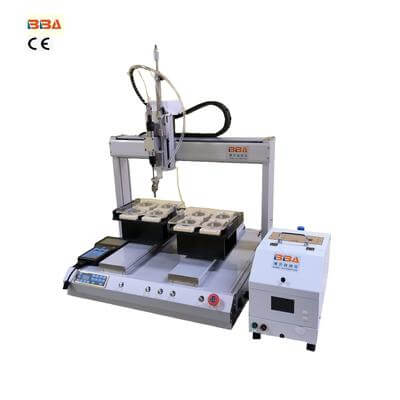
| Desktop Screwdriver Robot | LED Lighting Industry |