Automatic Screw Machines for High-Volume Assembly | Precision Fastening Solutions
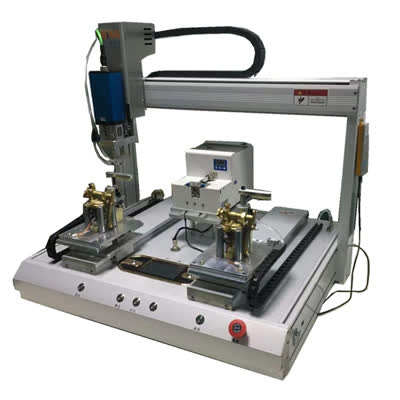
| Product Name | Applicable industries |
| CNC Screw Fastener | Electric Bicycle Assembly |
High-Volume Assembly with Automatic Screw Machines
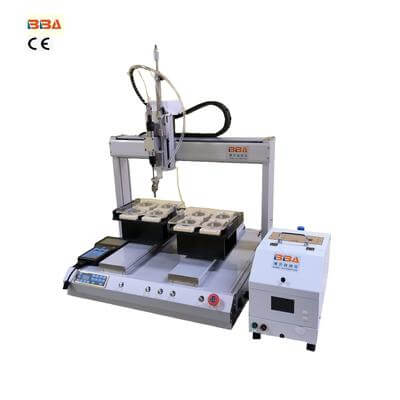
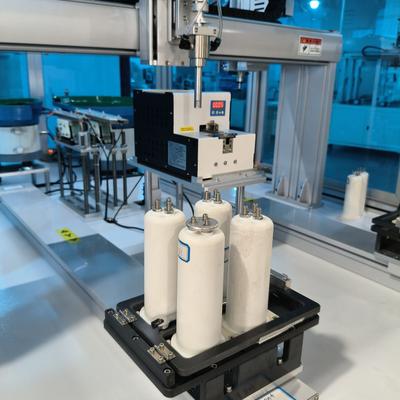
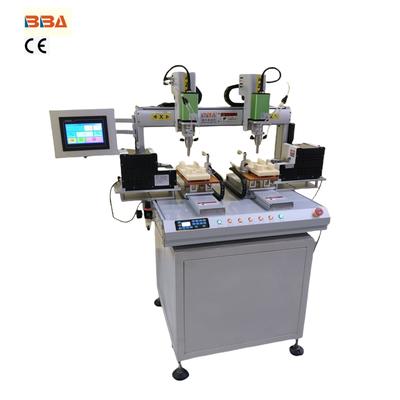
In modern manufacturing, high-volume assembly demands speed, precision, and consistency to meet escalating market needs. Automatic screw machines have emerged as indispensable tools in this realm, transforming how industries handle repetitive fastening processes. These machines automate the insertion and tightening of screws, bolts, and similar fixtures, replacing manual labor with robotic or pneumatic systems for applications such as electronics assembly, automotive production, and medical device manufacturing. By enabling rapid, error-free operations, they reduce cycle times and lower the risk of defects, making them essential for any operation aiming for peak efficiency in a competitive landscape.
The core advantage of automatic screw machines lies in their ability to process thousands of fasteners per hour, significantly outpacing human capabilities. They utilize advanced mechanisms like servo motors and vacuum systems to pick screws from feeders, position them accurately, and apply precise torque settings. This not only boosts throughput but also ensures repeatability, eliminating inconsistencies caused by fatigue or variation in manual work. For instance, in electronics, where tiny screws must be placed with micron-level precision to avoid damaging sensitive circuits, these machines achieve near-flawless results. This precision translates to higher productivity, as manufacturers can run assembly lines around the clock without compromising quality or requiring constant supervision.
Additionally, automatic screw machines provide substantial economic and safety benefits. They reduce labor costs by minimizing the need for large teams on the assembly floor, freeing workers for tasks requiring human judgment. Technologically, they integrate smoothly with other automated processes—such as robotic arms or conveyor systems—via programmable logic controllers (PLCs), to create cohesive workflows. Safety-wise, they feature built-in sensors to detect misalignments or jams, preventing accidents and preserving equipment. Manufacturers report lower defect rates, with studies showing up to a 90% drop in errors compared to manual methods. This reliability extends across diverse materials and environments, such as high-vibration settings in automotive plants or sterile areas in pharmaceutical labs.
Beyond technical perks, these machines enhance flexibility in mass production. Models vary from benchtop devices for smaller batches to fully automated solutions capable of handling complex assemblies in sectors like metal fabrication. Advances in artificial intelligence now allow for predictive maintenance, where sensors alert operators to potential issues before they cause downtime, optimizing uptime and resource allocation. When integrated with real-time data software, they generate insights on efficiency metrics like torque profiles and cycle counts, allowing continuous improvement in operations. This adaptability supports sustainable manufacturing by cutting energy consumption since automated systems operate optimally without waste. Overall, they empower businesses to scale operations seamlessly while maintaining high standards.
To summarize, automatic screw machines are pivotal in driving innovation within industrial automation. Their capacity for high-volume, low-error assembly reduces costs and minimizes human intervention, fostering robust growth in demanding industries. As global supply chains evolve, investing in such technologies provides a clear edge—enhancing quality and capacity simultaneously. They embody the future of manufacturing, where automated precision meets scalable productivity, ensuring reliability in an era of fast-paced innovation.