Improving Mobile Phone Assembly with Robotic Screw Systems | Automation Benefits
| Product Name | Applicable industries |
| Smart Screw Driving Machine | Automotive Electronics Assembly |
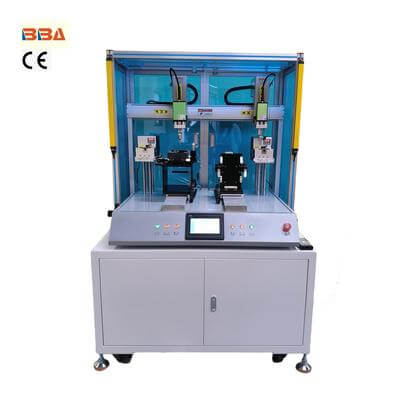
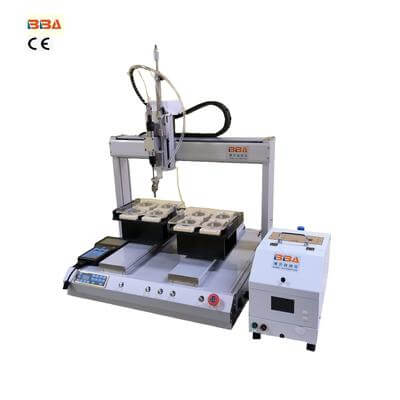
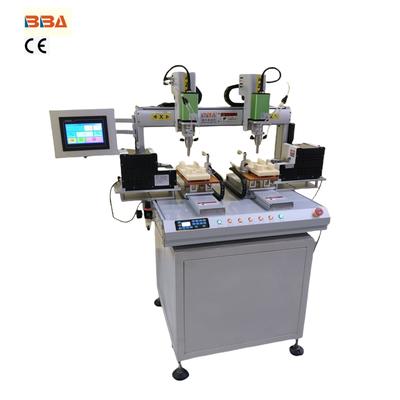
Improving Mobile Phone Assembly with Robotic Screw Systems
The assembly of mobile phones demands extreme precision, speed, and consistency to meet the high standards of today's tech-savvy consumers. Traditional manual processes often struggle with repetitive tasks like screw fastening, leading to variations in quality and potential bottlenecks. As the industry evolves, robotic screwdriving systems are emerging as a revolutionary solution, enhancing efficiency and reliability in mobile phone production lines.
What Are Robotic Screw Systems?
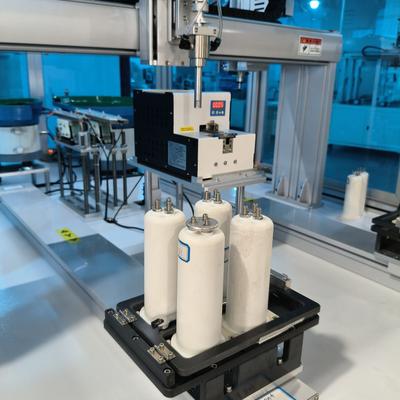
Robotic screw systems integrate advanced robotics with precision torque control to automate the insertion and tightening of screws in phone components like housings, circuit boards, and displays. These systems typically feature high-speed robots equipped with specialized end-effectors that can handle screws as small as M1.4. Using sensors and real-time feedback loops, they ensure accurate placement and optimal torque, eliminating common issues such as cross-threading or under-tightening that plague manual assembly.
- High repeatability delivers consistent results across thousands of units.
- Quick changeovers adapt to various phone models, supporting flexible production runs.
- Built-in verification logs data for each screw, enabling traceability and quality audits.
Unlocking Key Benefits in Assembly Lines
Adopting robotic screw systems brings transformative advantages. First, production speed increases by up to 50%, as robots work continuously without fatigue. This accelerates assembly times from prototype development to mass manufacturing. Second, defect rates plummet. Human errors, such as stripped threads or loose connections, are virtually eliminated, raising overall product quality and reliability. Third, these systems enhance workplace safety by reducing ergonomic risks associated with repetitive motion, allowing staff to focus on higher-value tasks like troubleshooting and system monitoring.
From a financial perspective, the investment in robotics pays off quickly. While initial implementation requires cost outlays for hardware and integration, ongoing savings come from lower scrap materials and reduced labor overhead. Over time, this translates to a stronger return on investment (ROI), particularly in high-volume environments where every minute saved boosts profitability. Moreover, by minimizing rework, companies uphold brand reputation and customer trust in an increasingly competitive market.
Strategies for Smooth Implementation
Transitioning to robotic screw systems involves careful planning. Start with a thorough assessment of existing processes to identify bottlenecks in screw fastening stages. Then, collaborate with specialists to select systems with adaptable interfaces that integrate seamlessly into your facility. Ensure compatibility with line layouts and worker protocols to avoid disruptions. Training teams is critical—operators must learn to manage the robots effectively, and maintenance staff should be equipped for routine upkeep. Pilot testing on small batches allows fine-tuning of parameters like force settings before full-scale deployment. Ultimately, gradual scaling ensures minimal disruption while maximizing adoption.
Future innovations promise even greater gains. Artificial intelligence-driven robotics may optimize screw patterns in real-time, analyzing data to predict failures and adjust workflows autonomously. Collaborative designs could see robots working alongside humans, combining efficiency with flexibility. As mobile phone designs grow more complex, these advancements will drive further efficiencies across the supply chain, positioning companies for sustained growth.
Conclusion
Robotic screw systems represent a critical leap forward in mobile phone assembly, offering unmatched precision, efficiency, and cost-effectiveness. By embracing this technology, manufacturers overcome traditional limitations, delivering superior products faster and more reliably. As automation continues to advance, integrating such innovations will be key to thriving in tomorrow’s industrial landscape. Explore how robotic screwdriving can transform your operations for a smarter, safer, and more profitable future.