空间优化:紧凑型多轴设计如何改变制造业 | 工业自动化解决方案
Space Optimization with Compact Multi-Axis Designs
In today's rapidly evolving industrial landscape, limited floor space presents a significant challenge. Factories face mounting pressure to maximize production output while minimizing their physical footprint to reduce costs and enhance operational efficiency. This is where compact multi-axis solutions emerge as game-changing innovations.
The Power of Multi-Axis Integration
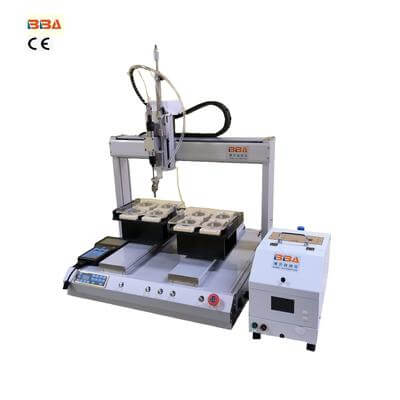
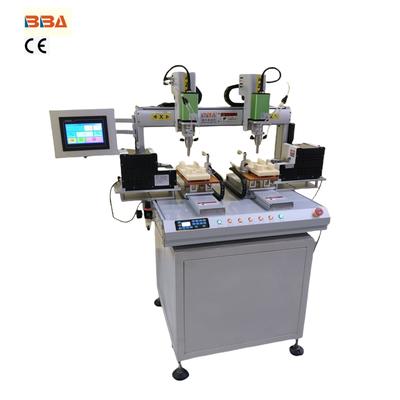
Traditional automation often requires multiple standalone components – linear actuators, rotary stages, and gantries – consuming valuable workspace. Modern compact multi-axis designs integrate motion capabilities into unified systems. These integrated units combine vertical, horizontal, and rotational movements within surprisingly small envelopes by utilizing synergistic engineering principles. For example, nested drive mechanisms and centralized control architectures eliminate redundant structural elements, shrinking the overall installation footprint by up to 48% compared to conventional systems.
Tangible Operational Advantages
Beyond space savings, these designs deliver compelling performance benefits. Reduced mechanical complexity minimizes inertia and vibration, enabling higher precision at accelerated speeds. Multiple axes working in concert shorten motion paths, cutting cycle times by 25-40% for operations like laser welding or PCB assembly. The consolidated architecture also simplifies maintenance – technicians access calibration points, wiring, and sensors through single-access panels, slashing diagnostic time.
Versatile Application Potential
These systems excel in confined scenarios where real estate is scarce. Miniature multi-axis robots install overhead on existing production lines, performing quality inspections without obstructing workflows. In electronics manufacturing, XYZ-Theta platforms enable micron-level alignment of components within cleanroom environments where flexibility is critical. For pharmaceutical packaging or automotive assembly, compact linear modules with rack-and-pinion drives facilitate complex transfers between tightly spaced conveyors while supporting substantial payloads.
Engineering Synergy for Future Factories
Achieving true compactness requires holistic engineering. Advanced materials like carbon fiber composites reduce mass while maintaining rigidity. Motor optimizations enable higher torque densities, and onboard distributed control systems replace bulky external cabinets. Cable management innovations prevent tangling in confined spaces. Harmonizing mechanical, electrical, and control systems in one solution ensures reliable performance – even under continuous operation.
Unlocking Production Flexibility
The scalability of compact designs empowers adaptable manufacturing. Strategic clearance reductions allow cells to accommodate additional machinery or workstations within the same area. For industries evolving toward high-mix assembly, such modularity enables rapid reconfiguration without facility expansions. When combined with standardized interfaces and intuitive programming software, manufacturers can seamlessly pivot between product variants with minimal engineering effort.
As automation permeates smaller facilities, compact multi-axis solutions will remain indispensable for competitive manufacturing. These integrated systems represent more than incremental space savings; they shift paradigms by delivering robust capability within minimal volumes. Engineers reimagine layouts while operators gain newfound agility. For enterprises navigating crowded factory floors, maximizing every centimeter unlocks efficiency – and compact multi-axis technologies are the key.
| Product Name | Applicable industries |
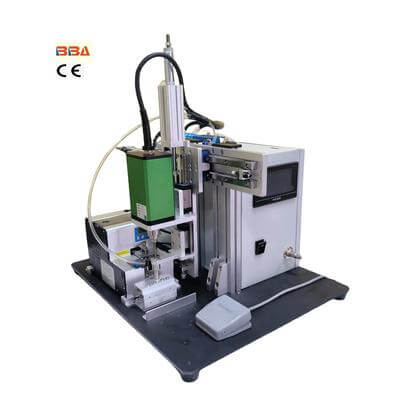
| Desktop Screwdriver Robot | Drone and UAV Manufacturing |