Automated Screw Locking Systems | Reduce Human Error in Manufacturing
Reducing Human Error with Automated Screw Locking
In the fast-paced world of industrial manufacturing, precision and consistency are critical. Even the smallest error in assembly processes can lead to significant quality issues, costly rework, or even product failures. One area where human error frequently occurs is in screw locking—a seemingly simple yet crucial step in many production lines. Automated screw locking systems offer a reliable solution to minimize these errors while boosting efficiency and product reliability.
The Challenge of Manual Screw Locking
Manual screw tightening relies heavily on the skill and attention of operators. Variations in torque, misalignment, missed screws, or cross-threading are common issues that arise from human involvement. Fatigue, distraction, or repetitive tasks can further exacerbate these problems. In industries where safety and performance are paramount—such as automotive, aerospace, or electronics—such inconsistencies are unacceptable. Even a marginally loose screw can compromise structural integrity or electrical connections, leading to recalls or safety hazards.
How Automated Screw Locking Works
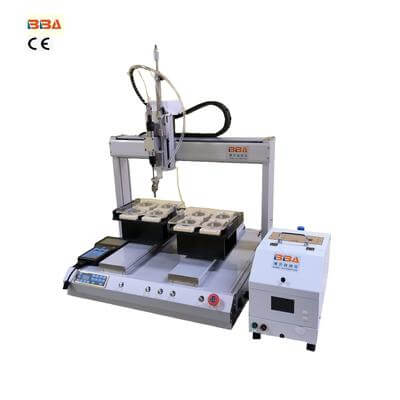
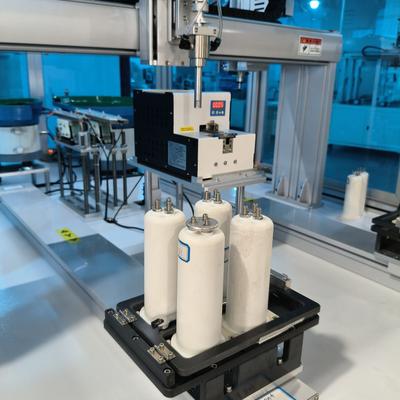
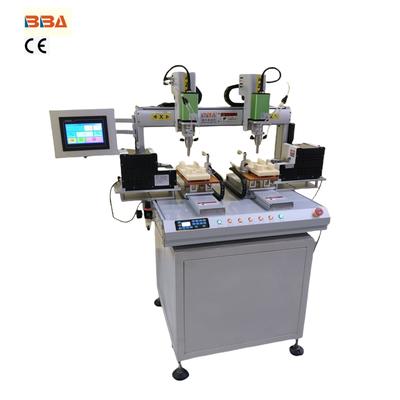
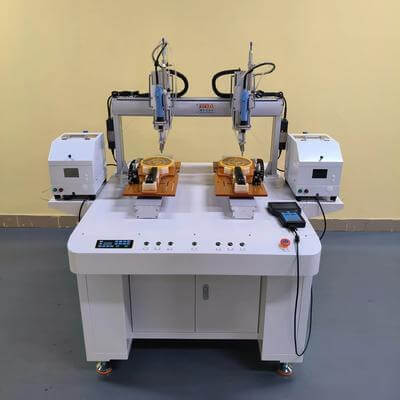
Automated screw locking systems eliminate reliance on manual labor by using robotic arms or precision-driven machines equipped with torque-controlled drivers. These systems are programmed to apply the exact required torque consistently, ensuring each screw is fastened to specifications. Advanced models include real-time monitoring, which detects anomalies like stripped threads or missing screws and halts operations to prevent defective assemblies. Vision systems or sensors can also verify proper alignment before tightening, reducing misplacement risks.
Benefits of Automation in Screw Locking
1. Unmatched Consistency: Automated systems deliver uniform torque application across every screw, removing variability caused by human operators.
2. Enhanced Productivity: Machines work tirelessly at high speeds, significantly reducing cycle times compared to manual methods.
3. Data-Driven Quality Control: Integrated sensors log torque and alignment data, enabling traceability and compliance with industry standards.
4. Cost Savings: Fewer errors mean less material waste, lower rework expenses, and minimized downtime due to defects.
5. Improved Worker Safety: Automating repetitive tasks reduces physical strain on employees, lowering injury risks.
Industries Leveraging Automated Screw Locking
Industries with stringent quality demands are rapidly adopting automated screw locking solutions. In automotive manufacturing, consistent bolt tightening ensures vehicle safety and longevity. Electronics manufacturers rely on precision fastening to maintain circuit board integrity. Medical device producers benefit from error-free assembly to meet regulatory requirements. Even consumer goods industries use automation to uphold brand reputation by minimizing product defects.
Future Trends and Innovations
The future of automated screw locking lies in smarter, more adaptive systems. Integration with IoT (Internet of Things) allows real-time diagnostics and predictive maintenance, ensuring uninterrupted production. Machine learning algorithms can optimize torque settings based on material variations or environmental conditions. Collaborative robots (cobots) are also emerging, enabling seamless human-machine interaction for complex assembly tasks where full automation isn’t feasible.
Conclusion
Automated screw locking is transforming industrial assembly by eradicating human-induced errors and elevating production standards. By investing in this technology, manufacturers can achieve higher quality outputs, reduce operational costs, and maintain competitive advantage. As automation continues to evolve, businesses that embrace these advancements will lead the way in efficiency, reliability, and innovation.
| Product Name | Applicable industries |
| Inline Screw Locking System | Security Equipment Manufacturing |