The Environmental Benefits of Automated Screw Tightening | Sustainable Manufacturing
| Product Name | Applicable industries |
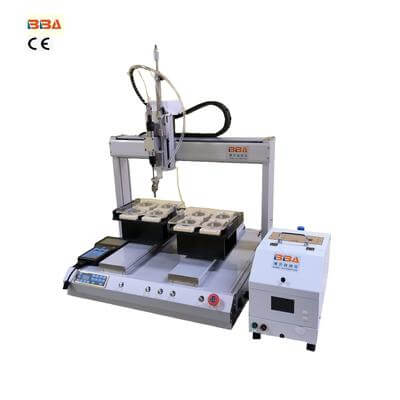
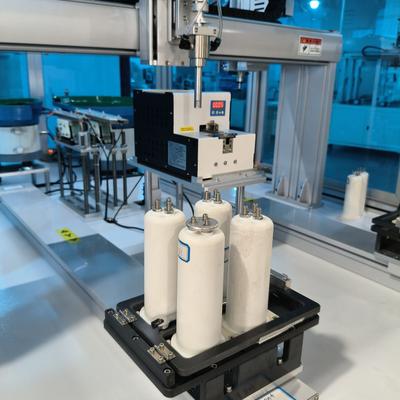
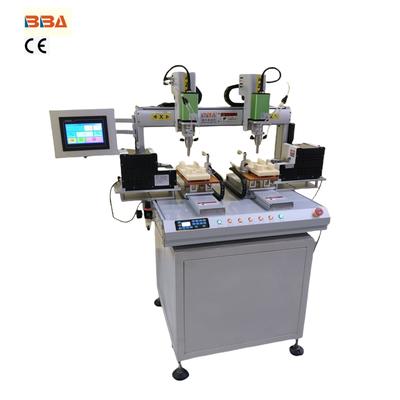
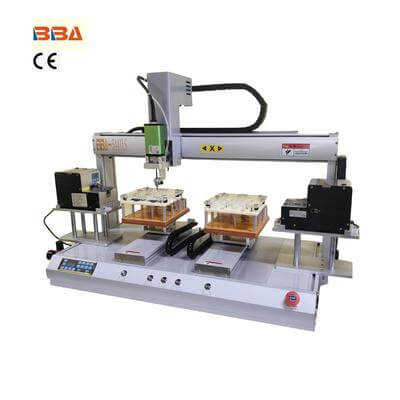
| Smart Screw Driving Machine | Home Appliance Production |
In the realm of industrial automation, screw tightening plays a crucial role in manufacturing processes across various industries. While precision and efficiency are often the primary focuses, the environmental benefits of automated screw tightening systems are equally noteworthy. As sustainability becomes a key concern for businesses worldwide, understanding how automation contributes to greener manufacturing is essential.
Reduced Material Waste
Manual screw tightening can often lead to errors such as over-tightening or under-tightening, resulting in damaged components or faulty assemblies. These mistakes generate significant material waste when parts must be discarded or reworked. Automated screw tightening systems, however, deliver consistent and precise torque control, minimizing errors and reducing the need for material replacements. This precision not only cuts costs but also lessens the environmental impact associated with waste disposal and resource consumption.
Energy Efficiency
Modern automated screwdrivers and tightening systems are designed with energy efficiency in mind. Unlike manual processes that rely on human labor—which can be inconsistent and energy-intensive over long shifts—automated systems optimize power usage. Advanced sensors and intelligent controllers ensure that only the necessary amount of energy is used for each tightening operation, reducing overall electricity consumption. Additionally, automated systems can be integrated with energy recovery mechanisms, further enhancing sustainability.
Lower Carbon Footprint
By improving production efficiency, automated screw tightening helps shorten manufacturing cycle times. Faster production means fewer machine operating hours and lower energy usage per unit, ultimately reducing the carbon footprint of manufacturing operations. Furthermore, automation reduces reliance on manual labor, decreasing the need for workforce commuting and associated transportation emissions. Over time, these cumulative savings contribute to a more sustainable industrial ecosystem.
Extended Equipment Lifespan
Inconsistent manual tightening can cause undue stress on machinery and components, leading to premature wear and tear. Automated systems, with their precise and controlled torque application, prevent excessive strain on equipment, extending its operational lifespan. This longevity reduces the frequency of equipment replacements, cutting down on the environmental burden of manufacturing, transporting, and disposing of industrial machinery.
Reduced Use of Lubricants and Chemicals
Manual screw tightening often requires additional lubricants or thread-locking chemicals to ensure proper fastening. Automated systems, with their high precision, minimize the need for such substances, reducing chemical waste and potential environmental contamination. This also leads to safer working conditions and lower disposal costs for hazardous materials.
As industries strive to meet sustainability goals, automated screw tightening presents a clear advantage. From cutting material waste to lowering energy consumption and emissions, automation supports environmentally responsible manufacturing without compromising productivity. By adopting these systems, businesses can enhance their operational efficiency while making meaningful contributions to a greener future.