Enhancing Screw Tightening Automation with Servo Motors | Precision & Efficiency
| Product Name | Applicable industries |
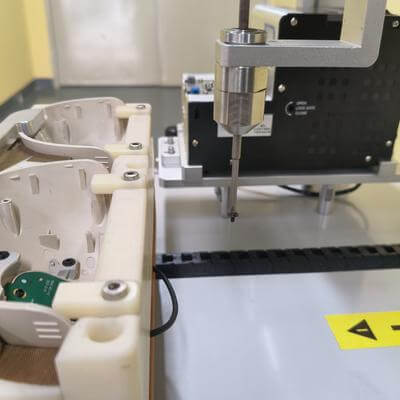
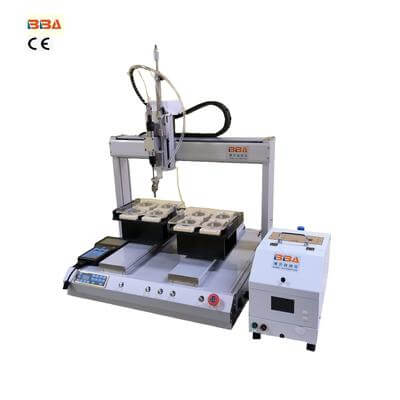
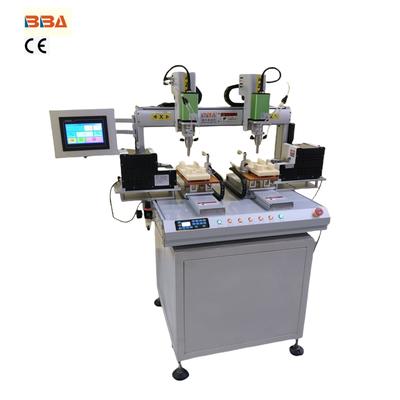
| Dual Head Screwdriver | PCB and Circuit Board Assembly |
Servo motors are increasingly becoming the backbone of automation in modern manufacturing processes. One of the most critical applications of servo motors is in screw tightening automation, where precision, speed, and reliability are paramount. In this article, we delve into how servo motors enhance screw tightening processes, their benefits, and key considerations for implementation.
The Role of Servo Motors in Screw Tightening Automation
Screw tightening is a common yet crucial task in assembly lines across industries such as automotive, electronics, and consumer goods. Traditional methods often rely on pneumatic or DC motors, which lack the precision and adaptability required for high-quality production. Servo motors, on the other hand, offer unparalleled control over speed, torque, and positioning, ensuring consistent and accurate screw tightening every time.
Key Advantages of Using Servo Motors
- Precision: Servo motors provide exact control over rotational movement, minimizing the risk of over-tightening or under-tightening screws.
- Speed: High-speed capabilities reduce cycle times, boosting overall production efficiency.
- Adaptability: Programmable torque and speed settings allow for customization based on different screw types and materials.
- Energy Efficiency: Servo motors consume less power compared to traditional motors, lowering operational costs.
- Durability: Designed for continuous operation, servo motors withstand demanding industrial environments with minimal maintenance.
Implementation Considerations
When integrating servo motors into screw tightening automation, several factors must be considered to achieve optimal performance:
- Torque Requirements: Ensure the servo motor selected can deliver the necessary torque for the specific screw tightening application.
- Feedback Systems: Encoders and sensors provide real-time feedback, enhancing accuracy and enabling corrective actions if deviations occur.
- Integration with Control Systems: Compatibility with PLCs or other control systems is essential for seamless automation.
- Environmental Conditions: Consider factors like temperature, dust, and vibrations to select a motor with appropriate IP ratings and ruggedness.
Future Trends in Screw Tightening Automation
As Industry 4.0 continues to revolutionize manufacturing, servo motor-driven screw tightening systems are evolving with smarter features. Predictive maintenance, IoT connectivity, and AI-driven optimization are set to further enhance efficiency and reduce downtime. Investing in servo motor technology today positions manufacturers for long-term success in an increasingly automated world.
In conclusion, servo motors are a game-changer for screw tightening automation, offering precision, speed, and flexibility that traditional methods cannot match. By carefully selecting and integrating servo motors, manufacturers can significantly improve product quality and operational efficiency.