Anti-Jamming Screw Feeder Design - Reliable Industrial Automation Solutions
Anti-Jamming Design in Modern Screw Feeders
In industrial automation, screw feeders play a critical role in material handling, ensuring precise and consistent delivery of bulk materials. However, one of the most common challenges faced in their operation is jamming, which can disrupt production, increase downtime, and raise maintenance costs. Modern anti-jamming designs have emerged as a solution to this problem, incorporating advanced technologies and engineering principles to enhance reliability and efficiency.
Causes of Jamming in Screw Feeders
Jamming typically occurs due to several factors, including material bridging, excessive friction, improper screw design, or inconsistent material flow. Some materials, especially those with irregular shapes or high moisture content, are more prone to causing blockages. In traditional screw feeders, these issues often require manual intervention, leading to operational delays.
Key Anti-Jamming Features
Modern screw feeders leverage innovative design elements to minimize jamming risks:
- Variable Pitch Screws: Adjustable pitch designs prevent material buildup by gradually changing the spacing between screw flights, optimizing material flow.
- Wear-Resistant Coatings: Specialized coatings reduce friction between the screw and materials, preventing clogging and extending equipment lifespan.
- Intelligent Monitoring Systems: Sensors detect early signs of jamming, allowing automated adjustments or alerts for preventive action.
- Flexible Screw Configurations: Modular screw designs accommodate different material types and flow requirements, reducing the likelihood of blockages.
Benefits of Anti-Jamming Solutions
Implementing anti-jamming features in screw feeders offers significant advantages:
- Increased Uptime: Reduced jamming ensures uninterrupted operations, boosting productivity.
- Lower Maintenance Costs: Minimized wear and tear decrease the frequency of repairs and part replacements.
- Enhanced Precision: Stable material flow improves dosing accuracy, critical for quality control.
- Versatility: Ability to handle a broader range of materials, from fine powders to coarse granules.
Future Trends in Anti-Jamming Technology
As industrial automation evolves, screw feeder designs continue to advance. Emerging trends include AI-driven predictive maintenance, self-cleaning mechanisms, and dynamic screw adjustments based on real-time material analysis. These innovations promise to further enhance efficiency and reliability in material handling systems.
In conclusion, modern anti-jamming designs in screw feeders represent a significant leap forward in industrial automation. By addressing common challenges with intelligent engineering, these solutions empower manufacturers to achieve smoother operations and higher productivity. Investing in these technologies is a strategic move for any operation prioritizing efficiency and long-term cost savings.
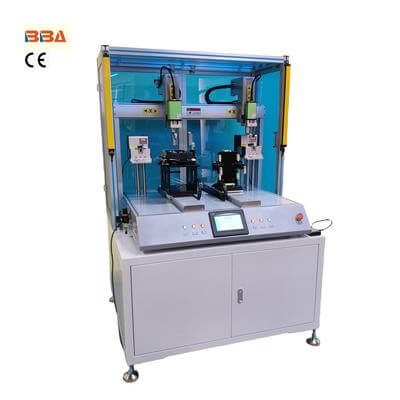
| Product Name | Applicable industries |
| Servo Screwdriver Robot | Telecommunication Equipment Assembly |