Collaborative Robots for Flexible Fastening Tasks | Industrial Automation Solutions
Collaborative Robots for Flexible Fastening Tasks
The evolution of industrial automation has introduced a game-changing innovation: collaborative robots, or cobots, designed for flexible fastening tasks. These advanced robotic systems are redefining efficiency, precision, and adaptability in assembly lines, offering manufacturers a competitive advantage in today’s dynamic production landscape.
Why Cobots for Fastening?
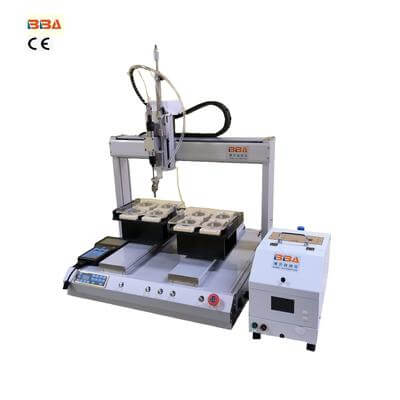
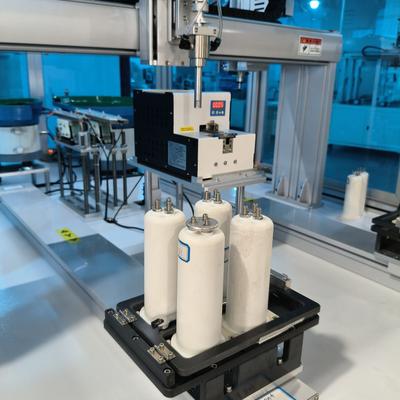
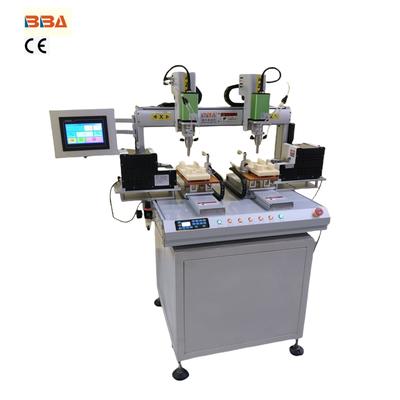
Fastening is one of the most common yet repetitive tasks in manufacturing, requiring consistent accuracy and reliability. Traditional robotic systems often lack the flexibility to handle varying product designs, while manual labor can slow down production and introduce human error. Cobots bridge this gap by combining the dexterity of human operators with the precision of automation. Equipped with advanced force sensors and vision systems, they seamlessly adapt to different fastening requirements—whether screwing, bolting, or riveting—across diverse workpiece geometries.
Key Benefits of Collaborative Fastening Robots
1. Flexibility: Unlike rigid automation, cobots can switch between tasks with minimal reprogramming, making them ideal for high-mix, low-volume production.
2. Safety: With built-in collision detection and force limits, cobots operate safely alongside human workers without the need for safety cages.
3. Speed & Precision: High repeatability (±0.1mm or less) ensures flawless fastening, reducing rework and scrap rates.
4. Scalability: Easily deployed in existing workflows, cobots can scale alongside production demands.
Applications in Modern Manufacturing
Cobots excel in industries where fastening precision is critical, such as automotive assembly, electronics, aerospace, and consumer goods. For example, in automotive production, they install screws in dashboard panels or secure engine components with consistent torque. In electronics manufacturing, they assemble delicate circuit boards without damaging sensitive parts. Their ability to handle small batches or custom orders also makes them perfect for the growing trend of personalized products.
The Future of Fastening Automation
As Industry 4.0 advances, cobots will integrate deeper with IoT-enabled tools and AI-driven analytics to optimize fastening processes in real time. Predictive maintenance, adaptive torque control, and machine learning-based error detection will further elevate their performance. For manufacturers, investing in collaborative fastening robots isn’t just about automation—it’s about future-proofing production with agility and intelligence.
Collaborative robots for flexible fastening tasks represent the next frontier in smart manufacturing. By embracing this technology, businesses can achieve unprecedented levels of productivity, quality, and operational resilience.
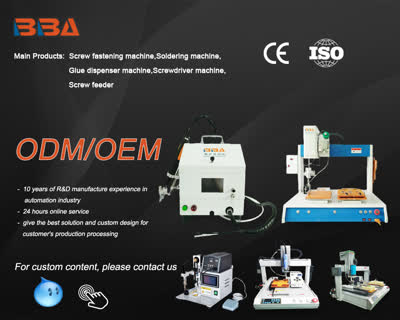
| Product Name | Applicable industries |
| Screw Locking Robot | Automotive Electronics Assembly |