Desktop Screw Robots: Semi-Automatic vs. Fully Automated Solutions | Industrial Automation
| Product Name | Applicable industries |
| Desktop Screwdriver Robot | Home Appliance Production |
In the rapidly evolving field of industrial automation, desktop screw robots have become a critical component for assembly processes. When choosing between semi-automatic and fully automated solutions, manufacturers must consider factors such as production volume, flexibility, and cost-efficiency. This article explores the key differences between semi-automatic and fully automated desktop screw robots to help you make an informed decision for your production line.
Semi-Automatic Desktop Screw Robots
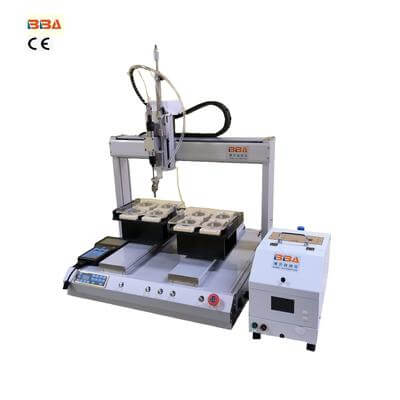
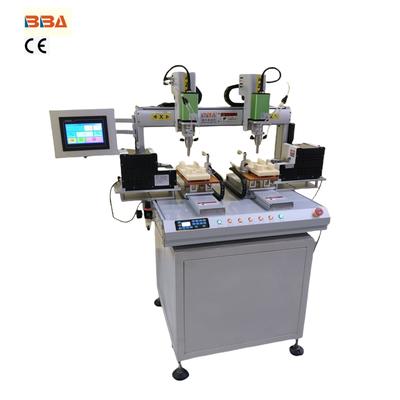
Semi-automatic screw robots require some level of human intervention to operate effectively. These systems often involve a worker positioning the part and triggering the screw-driving process manually. The advantages of semi-automatic robots include lower upfront costs, easier setup, and greater flexibility for small-batch production. These systems are ideal for manufacturers with moderate production volumes or those needing frequent changes in screw types and assembly configurations.
However, semi-automatic solutions may not be suitable for high-speed production environments, as human involvement introduces variability in cycle times. Additionally, operator fatigue can lead to inconsistencies in screw tightening torque, potentially affecting product quality over time.
Fully Automated Desktop Screw Robots
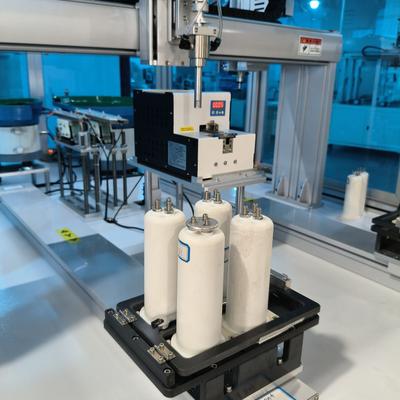
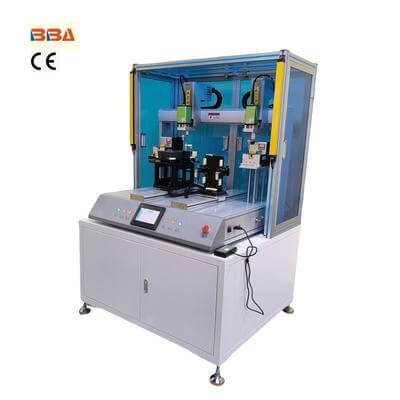
Fully automated desktop screw robots operate without human intervention, integrating seamlessly into production lines with vision systems, part feeders, and robotic arms. These systems offer superior speed, precision, and consistency, making them ideal for high-volume manufacturing. With advanced torque control and error-proofing capabilities, fully automated robots minimize defects and maximize throughput.
While the initial investment is higher, fully automated screw robots provide long-term cost savings by reducing labor requirements and minimizing rework. They are particularly beneficial in industries with strict quality standards, such as electronics, medical devices, and automotive assembly.
Choosing the Right Solution
The choice between semi-automatic and fully automated desktop screw robots depends on your specific production needs. Semi-automatic systems are cost-effective for smaller operations, while fully automated robots deliver unmatched efficiency for large-scale manufacturing. By evaluating factors like production volume, product variability, and budget constraints, manufacturers can select the optimal solution to enhance productivity and quality.
As automation technology continues to advance, both semi-automatic and fully automated screw robots will play vital roles in modern assembly processes. Investing in the right system ensures competitive advantage and operational excellence in today's fast-paced industrial landscape.