How to Fix Loose Screws Using Screw Locking Automation | Industrial Fastening Solutions
| Product Name | Applicable industries |
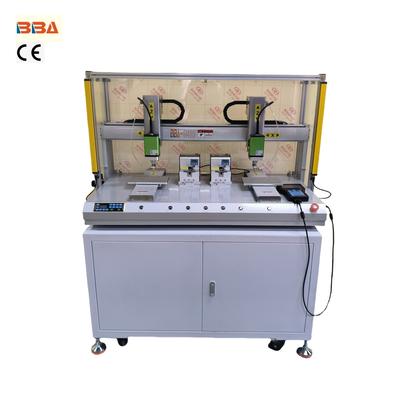
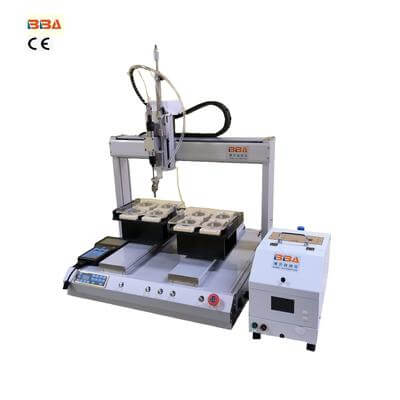
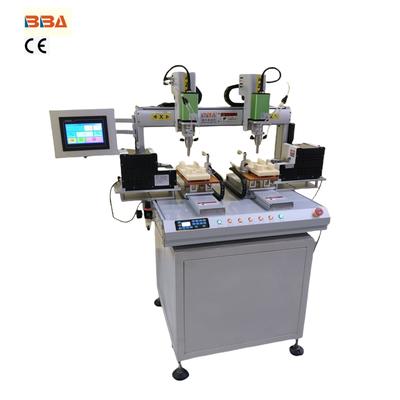
| CNC Screw Fastener | Automotive Electronics Assembly |
How to Fix Loose Screws Using Screw Locking Automation
Loose screws in industrial machinery can lead to significant operational inefficiencies, equipment failures, and even safety hazards. Traditional manual tightening methods are labor-intensive and often inconsistent. Fortunately, screw locking automation provides a reliable and efficient solution to this persistent problem.
The Problem with Loose Screws
Vibrations, thermal expansion, and prolonged stress can cause screws to loosen over time. In industrial environments, this issue affects conveyor belts, robotic arms, assembly lines, and other critical machinery. A single loose screw can disrupt production cycles, increase maintenance costs, and compromise the structural integrity of the equipment.
The Role of Screw Locking Automation
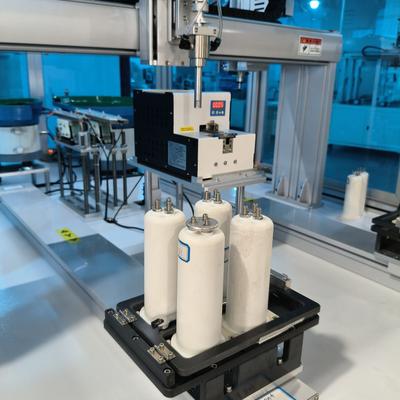
Screw locking automation is a precision-driven technology designed to secure screws with optimal torque and minimal human intervention. This advanced system ensures every fastener is tightened to the exact specification required, eliminating inconsistencies that arise from manual handling.
Key benefits of screw locking automation include:
- Consistency: Every screw is locked at the correct torque, reducing failure rates.
- Efficiency: Faster application process compared to manual tightening.
- Durability: Prevents gradual loosening due to vibrations or stress.
- Lower Maintenance: Reduces the frequency of re-tightening and inspections.
The process integrates robotic precision with sensor-controlled mechanisms:
- Detection: Sensors identify screw positions and confirm proper alignment.
- Torque Application: Automated tools tighten screws to predefined torque values.
- Verification: Post-tightening inspections ensure all fasteners meet quality standards.
- Data Logging: Records torque data for traceability and process optimization.
Applications Across Industries
Industries such as automotive, aerospace, electronics, and heavy machinery benefit from screw locking automation. It ensures critical components remain securely fastened in high-vibration environments while reducing human error.
Conclusion
Investing in screw locking automation enhances efficiency, reliability, and longevity of industrial equipment. By eliminating loose screws, manufacturers can minimize unexpected downtime and maintenance costs while improving workplace safety. Future advancements in automation will further refine precision and adaptability, making it an indispensable tool for modern industrial operations.