How Desktop Screwdriver Robots Work in Assembly Lines | Automation Solutions
| Product Name | Applicable industries |
| Inline Screw Locking System | Smart Wearables Production |
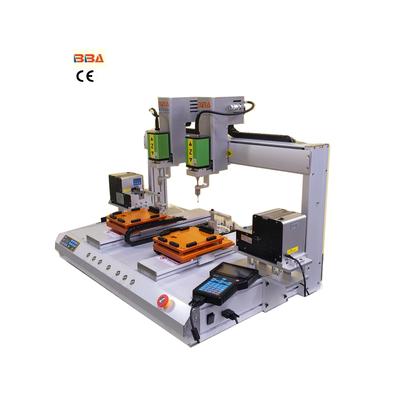
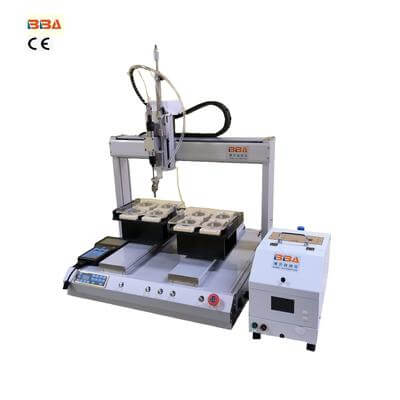
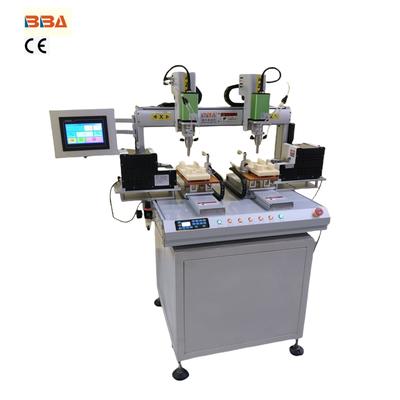
How Desktop Screwdriver Robots Work in Assembly Lines
In modern manufacturing, automation plays a critical role in enhancing efficiency and precision. One innovative solution gaining traction in assembly lines is the desktop screwdriver robot. These compact yet powerful devices are designed to automate screw-fastening tasks, reducing human error and increasing production speed. But how exactly do they work? Let’s explore their functionality and benefits.
Core Components of Desktop Screwdriver Robots
Desktop screwdriver robots consist of several key components that enable seamless operation. The primary parts include:
- Robotic Arm: A small, articulated arm that positions the screwdriver with high accuracy.
- Electric Screwdriver: A precision tool integrated into the robotic arm, capable of applying consistent torque.
- Feeder System: Automates screw loading, ensuring a continuous supply to the screwdriver head.
- Vision System (Optional): Cameras or sensors that detect screw positions for alignment corrections.
- Controller: The brain of the robot, programmed to execute fastening sequences with minimal oversight.
How They Operate in Assembly Lines
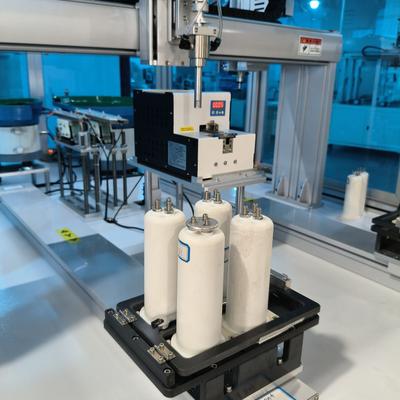
The process begins with the robot’s vision system identifying the target screw hole on the workpiece. The robotic arm then moves into position, guided by pre-programmed coordinates or real-time adjustments. The feeder system supplies a screw, which the electric screwdriver picks up and drives into the hole with the exact required torque. This cycle repeats rapidly, handling hundreds or even thousands of screws per hour without fatigue.
Advantages in Manufacturing
Desktop screwdriver robots offer multiple benefits for assembly lines:
- Enhanced Precision: Eliminates human errors like cross-threading or under-tightening.
- Increased Productivity: Operates continuously without breaks, significantly speeding up production.
- Reduced Labor Costs: Minimizes reliance on manual labor for repetitive tasks.
- Scalability: Easily reprogrammable for different products or screw types.
- Ergonomic Benefits: Reduces repetitive strain injuries among workers.
Applications Across Industries
These robots are widely used in electronics, automotive, medical device manufacturing, and consumer goods assembly. From securing smartphone casings to assembling intricate automotive components, desktop screwdriver robots deliver consistent quality while adapting to diverse production needs.
As industries continue to embrace automation, desktop screwdriver robots represent a smart investment for manufacturers aiming to optimize their assembly processes. Their blend of precision, speed, and flexibility makes them indispensable in today’s competitive industrial landscape.