Best Practices for Operating Servo-Based Screw Machines | Industrial Automation Guide
| Product Name | Applicable industries |
| Screw Locking Robot | Telecommunication Equipment Assembly |
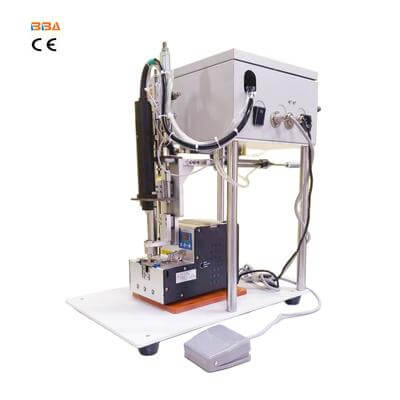
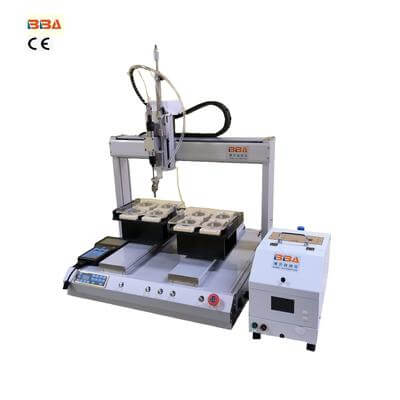
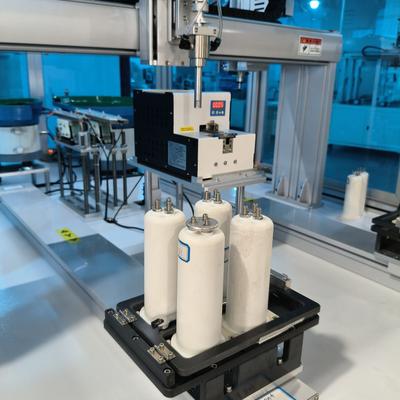
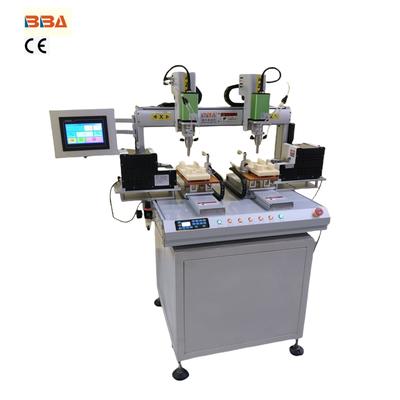
Servo-based screw machines are a cornerstone of modern industrial automation, offering precision, efficiency, and flexibility in high-volume manufacturing processes. Implementing best practices for operating these machines ensures optimal performance, longevity, and consistent output quality. Here’s a detailed guide to help you maximize the potential of servo-driven screw machines in your production environment.
1. Proper Machine Calibration
Accurate calibration is essential for servo-based screw machines. Misalignment or incorrect torque settings can lead to defective products, increased scrap rates, and premature wear. Follow the manufacturer’s guidelines for torque, speed, and feed settings, and regularly verify calibration using certified tools. Implement automated calibration routines where possible to minimize human error.
2. Optimal Speed and Torque Settings
Servo motors provide precise control over speed and torque, but improper settings can reduce efficiency. Conduct parametric testing to identify the ideal speed and torque for different materials and screw types. Avoid excessively high speeds, which may cause thread stripping or overheating, and ensure torque limits are set to prevent overtightening.
3. Regular Maintenance and Lubrication
Preventive maintenance is critical for long-term reliability. Schedule routine inspections of mechanical components, such as ball screws, bearings, and guides. Lubricate moving parts according to the recommended intervals to reduce friction and wear. Monitor servo motor performance for signs of degradation, such as unusual noise or vibration, and replace worn components promptly.
4. Use of High-Quality Fasteners and Tooling
Low-quality screws or worn tooling can negatively impact performance. Ensure fasteners meet required specifications for material hardness and dimensional accuracy. Inspect screwdriver bits and tooling regularly to prevent slippage or misdrives, which may damage workpieces or the machine itself.
5. Operator Training and Safety Protocols
Well-trained operators are key to maximizing productivity and minimizing downtime. Provide comprehensive training on machine operation, troubleshooting, and emergency procedures. Enforce safety protocols, including proper PPE, lockout/tagout practices, and emergency stop functions to protect personnel and equipment.
6. Integration with Automation Systems
Servo-based screw machines excel in automated production lines. Ensure seamless integration with PLCs, robotics, and vision systems for real-time monitoring and error detection. Use feedback loops to adjust parameters dynamically and maintain consistent quality across batches.
7. Data Monitoring and Analytics
Leverage data collection tools to track performance metrics such as cycle time, torque accuracy, and defect rates. Analyze trends to identify inefficiencies or predict maintenance needs. Cloud-based solutions can facilitate remote monitoring for multi-site operations.
By adhering to these best practices, manufacturers can enhance the efficiency, reliability, and lifespan of servo-based screw machines. Investing in proper setup, maintenance, and training ensures consistent high-quality output while minimizing operational costs and downtime.