Automatic vs Semi-Automatic Screw Assembly Systems Comparison | Industrial Automation
| Product Name | Applicable industries |
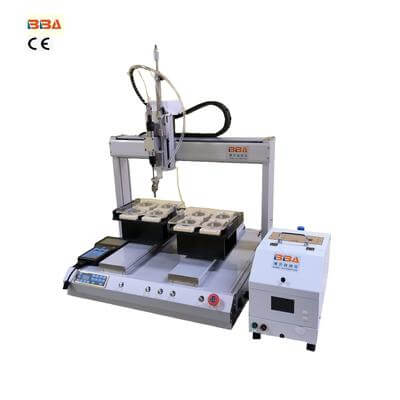
| Servo Screwdriver Robot | Industrial Control Panel Assembly |
In the world of industrial automation, screw assembly plays a crucial role in manufacturing processes. Companies often face the decision between automatic and semi-automatic screw assembly systems. Understanding the differences between these two approaches is essential for optimizing production efficiency, cost-effectiveness, and quality control. Let’s explore the key distinctions between automatic and semi-automatic screw assembly to help you determine which solution best fits your operational needs.
What is Automatic Screw Assembly?
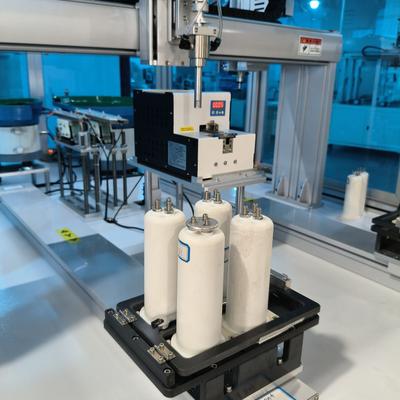
Automatic screw assembly systems are fully automated solutions designed to handle the entire screw driving process without manual intervention. These systems integrate seamlessly into production lines, using robotics or specialized machinery to pick, place, and fasten screws with precision. Key features of automatic screw assembly include:
- High-speed operation: Capable of driving hundreds or even thousands of screws per hour.
- Consistent quality: Eliminates human error in screw placement and torque application.
- Minimal labor requirements: Reduces the need for operator involvement.
- Advanced monitoring: Often includes torque verification and error detection systems.
What is Semi-Automatic Screw Assembly?
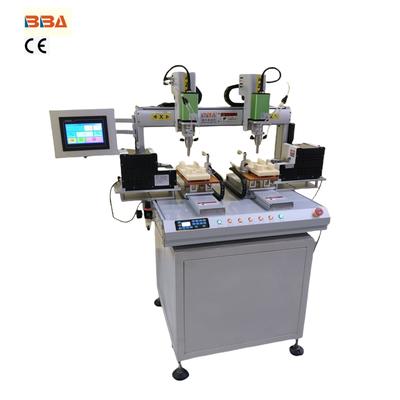
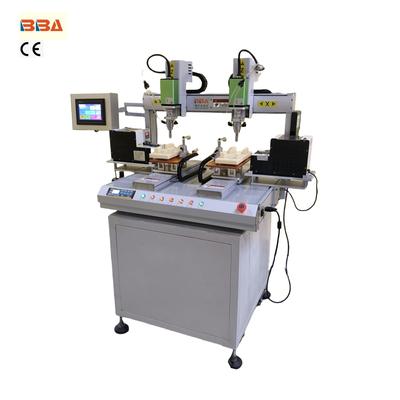
Semi-automatic screw assembly systems combine machine assistance with operator control. These systems require human intervention for certain steps in the process, such as part positioning or screw feeding, while automated components handle the actual driving operation. Characteristics of semi-automatic assembly include:
- Operator-assisted process: Workers position parts or trigger the screw driving mechanism.
- Greater flexibility: Easier to adapt to different product designs or screw types.
- Lower initial investment: Typically more affordable than fully automatic systems.
- Moderate throughput: Typically handles dozens to hundreds of screws per hour.
Key Differences Between Automatic and Semi-Automatic Systems
Understanding the contrasting features of these two approaches helps manufacturers make informed decisions:
| Feature | Automatic | Semi-Automatic |
|---|---|---|
| Degree of Automation | Full automation | Partial automation |
| Production Speed | High volume | Medium volume |
| Labor Requirements | Minimal | Moderate |
| Flexibility | Lower (fixed processes) | Higher (adjustable) |
| Initial Investment | Higher | Lower |
Choosing the Right Solution for Your Application
When deciding between automatic and semi-automatic screw assembly systems, consider these factors:
- Production volume: High-volume operations benefit from automatic systems, while lower volumes may justify semi-automatic.
- Product variability: Frequent product changes often favor semi-automatic flexibility.
- Budget constraints: Automatic systems require higher capital investment but lower labor costs long-term.
- Quality requirements: Critical applications often demand the consistency of automatic systems.
- Space limitations: Automatic systems may require more floor space and infrastructure.
Both automatic and semi-automatic screw assembly systems offer distinct advantages for different manufacturing scenarios. By carefully evaluating your production needs, product specifications, and operational goals, you can select the optimal solution that balances efficiency, quality, and cost-effectiveness. Many manufacturers find that a combination of both approaches across different production lines or processes provides the ideal balance for their operations.