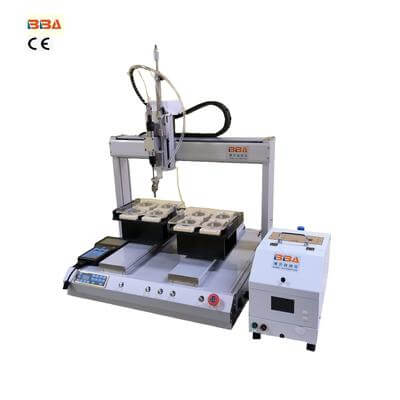
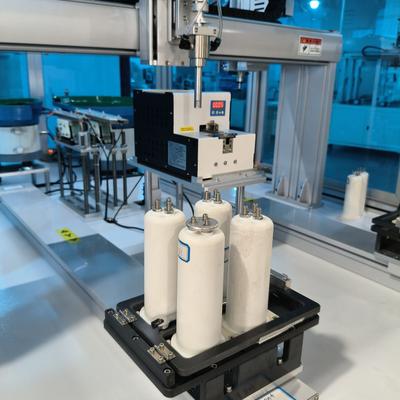
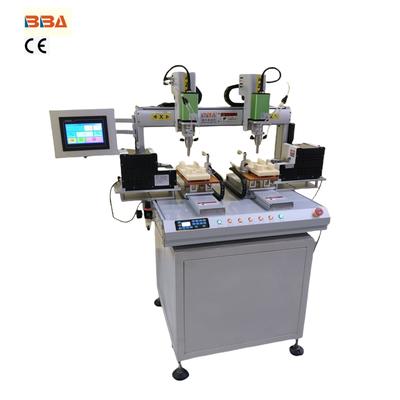
Robotic Screw Machines: Limitations & Solutions for Industrial Automation
| Product Name | Applicable industries |
| Auto Screwdriver Machine | Home Appliance Production |
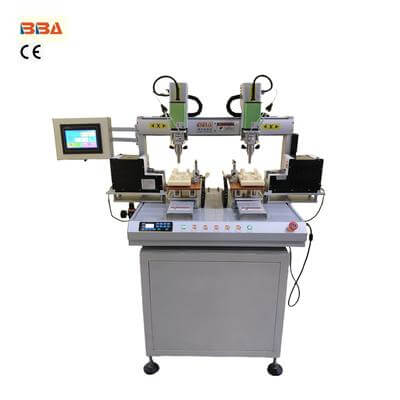
Robotic screw machines have revolutionized industrial automation by enhancing precision, efficiency, and repeatability in assembly and manufacturing processes. However, like any technology, they come with certain limitations that businesses must consider before integration. Understanding these constraints can help optimize their use and explore complementary solutions.
1. Limited Flexibility in Complex Tasks
While robotic screw machines excel at repetitive tasks, they may struggle with highly complex or variable operations. For example, assembling parts with inconsistent shapes or materials often requires manual adjustments. Advanced models with AI and machine learning can mitigate this, but such solutions may increase costs.
2. High Initial Investment
Deploying robotic screw machines involves significant upfront costs, including the equipment, programming, and integration into existing workflows. Smaller enterprises may find this prohibitive, though the long-term ROI in labor savings can justify the expense for high-volume production.
3. Maintenance and Downtime
Regular maintenance is essential to ensure optimal performance. Wear and tear on components like spindles or drivers can lead to unplanned downtime. Factories must allocate resources for preventive maintenance and technician training to minimize disruptions.
4. Sensitivity to Environmental Factors
Robotic screw machines can be sensitive to environmental conditions such as temperature fluctuations, dust, or vibrations. In harsh industrial settings, additional safeguards like enclosures or climate control may be necessary, adding to operational costs.
5. Programming Complexity
Setting up and reprogramming these machines for new tasks requires specialized knowledge. Frequent product line changes can slow production if operators lack expertise. User-friendly software interfaces are improving this, but a learning curve remains.
6. Limited Adaptability to Small Batches
For low-volume or custom orders, the time required to reprogram and calibrate robotic screw machines may outweigh efficiency gains. Hybrid setups combining automation with manual processes are often more practical for niche applications.
7. Material Compatibility Issues
Not all materials are suitable for robotic screw driving. Fragile or unusually shaped components may require custom tooling, increasing complexity. Testing and adaptation are critical to avoid defects or machine jams.
8. Dependency on Peripheral Systems
Robotic screw machines often rely on ancillary systems like conveyors or feeders. If these components fail, the entire process can halt. Redundancy planning and system integration audits are vital for uninterrupted operation.
Despite these limitations, robotic screw machines remain invaluable for modern manufacturing. By acknowledging their constraints, businesses can strategically deploy them alongside human workers or other technologies to maximize productivity. Continuous advancements in robotics and IoT are also gradually addressing many of these challenges, paving the way for smarter, more adaptable systems.