Servo-Based Assembly Systems in Smart Manufacturing | Precision Automation Solutions
The industrial automation landscape is rapidly evolving, with servo-based assembly systems emerging as a cornerstone of smart manufacturing. As industries strive for higher precision, efficiency, and flexibility, servo technology is playing a pivotal role in transforming traditional assembly lines into intelligent, adaptive production environments. This article explores the growing adoption of servo-based assembly in smart manufacturing and its impact on modern industrial operations.
Servo-driven systems offer unparalleled advantages in assembly applications. Their precise motion control capabilities enable manufacturers to achieve micron-level accuracy in component placement, tightening, and alignment. Unlike conventional pneumatic or mechanical systems, servo technology provides dynamic adjustability, allowing real-time modifications to speed, torque, and position during operation. This adaptability is particularly valuable in today's manufacturing environment, where product lifecycles are shortening and customization demands are increasing.
The integration of servo systems with Industrial Internet of Things (IIoT) platforms has further enhanced their value in smart factories. Modern servo drives can collect and transmit performance data, enabling predictive maintenance and process optimization. This data-driven approach reduces downtime and improves overall equipment effectiveness (OEE). The ability to monitor torque profiles and motion characteristics in real-time also helps identify potential quality issues before they result in defective products.
Energy efficiency is another significant benefit driving the adoption of servo-based assembly systems. Traditional mechanical systems often operate at constant power regardless of actual load requirements. In contrast, servo motors only consume energy proportional to the work being performed, significantly reducing power consumption in applications with variable loads or intermittent operation. This energy-saving capability becomes increasingly important as manufacturers seek to meet sustainability goals and reduce operational costs.
The flexibility of servo systems allows for easy reconfiguration of assembly lines to accommodate different product variants. Through software programming rather than mechanical adjustments, manufacturers can quickly switch between product specifications without extensive downtime. This capability is revolutionizing high-mix, low-volume production scenarios, making servo technology ideal for industries requiring frequent changeovers or customized products.
As the demand for smarter manufacturing grows, servo-based assembly systems are expected to become even more sophisticated. Advancements in artificial intelligence and machine learning are enabling these systems to self-optimize based on production data, further improving quality and efficiency. The combination of high precision, data connectivity, and energy efficiency positions servo technology as a critical enabler of Industry 4.0 transformation across various industrial sectors.
Manufacturers looking to upgrade their assembly processes should consider the long-term benefits of servo-based solutions. While the initial investment may be higher than traditional systems, the improvements in quality, flexibility, and operational efficiency often deliver substantial returns. As smart manufacturing continues to evolve, servo technology will undoubtedly play an increasingly vital role in shaping the factories of the future.
| Product Name | Applicable industries |
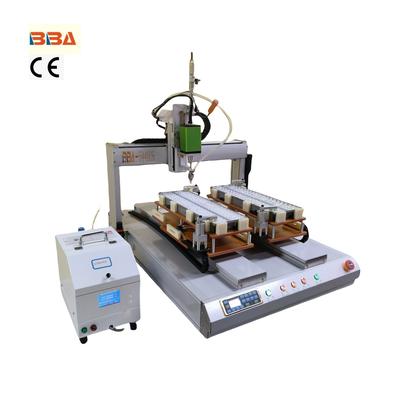
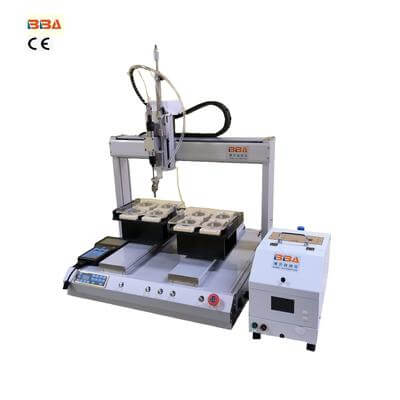
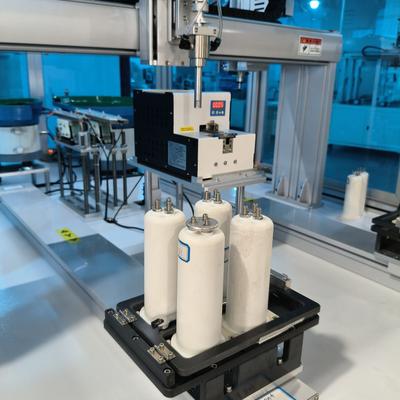
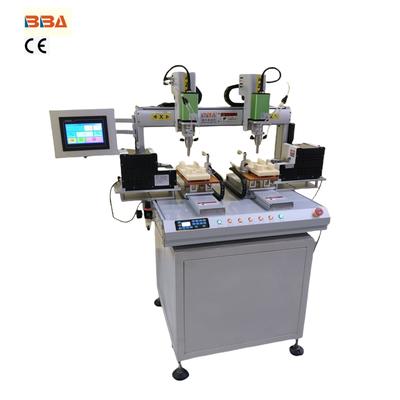
| Screw Fastening Unit | Security Equipment Manufacturing |