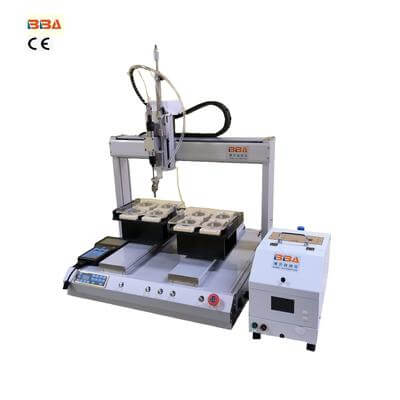
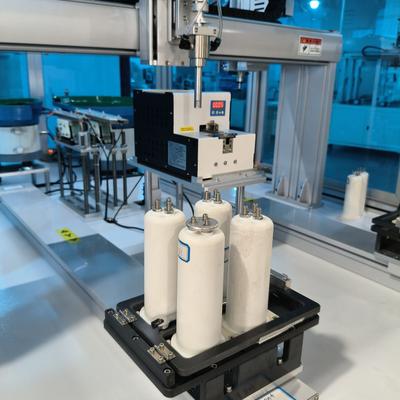
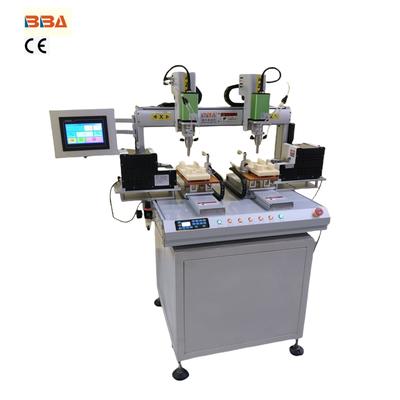
Screw Locking Robots: Precision & Efficiency in Automotive Manufacturing
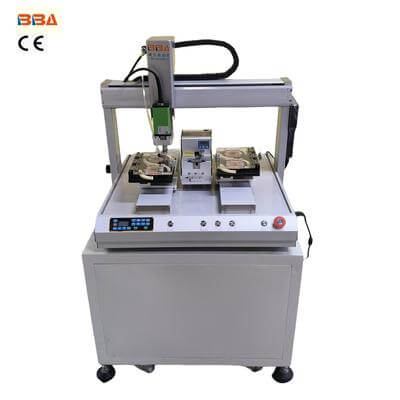
| Product Name | Applicable industries |
| Auto Screwdriver Machine | Industrial Control Panel Assembly |
In the fast-paced world of automotive manufacturing, precision and efficiency are paramount. One of the critical challenges faced by manufacturers is ensuring the reliable fastening of screws in high-volume production lines. Traditional manual screw locking methods often fall short in terms of speed, consistency, and error reduction. This is where screw locking robots step in, revolutionizing the automotive assembly process with unparalleled accuracy and performance.
Screw locking robots are designed to automate the repetitive and labor-intensive task of tightening screws, ensuring uniform torque and minimizing human error. These advanced robotic systems are equipped with high-precision sensors and intelligent software, allowing them to adapt to variations in component positioning and material properties. By integrating these robots into production lines, automotive manufacturers can achieve higher throughput, improved product quality, and reduced operational costs.
A notable success story involves the deployment of screw locking robots in a leading automotive assembly plant. Before automation, the plant struggled with inconsistent screw tightening, leading to rework and delays. After implementing robotic solutions, the plant saw a dramatic improvement in assembly line efficiency. The robots consistently applied the correct torque to each screw, eliminating over-tightening or under-tightening issues. As a result, defect rates dropped by over 40%, while production speed increased by 25%.
Another key advantage of screw locking robots is their ability to work seamlessly with other automated systems. In modern automotive factories, these robots are often integrated with conveyor systems, vision inspection tools, and collaborative robots (cobots) to create a fully synchronized production environment. This level of integration ensures smooth workflow transitions and minimizes downtime, further boosting productivity.
Beyond efficiency gains, screw locking robots also contribute to workplace safety. By taking over repetitive tasks, they reduce the risk of musculoskeletal injuries among workers, allowing them to focus on more complex and value-added activities. Additionally, the robots’ precision eliminates the need for manual quality checks, freeing up resources for other critical processes.
The future of screw locking robots in automotive manufacturing looks even brighter with advancements in artificial intelligence and machine learning. Next-generation robots are expected to feature predictive maintenance capabilities, self-adjusting torque settings based on real-time data, and enhanced collaboration with human operators. These innovations will further solidify the role of automation in driving the industry forward.
In conclusion, screw locking robots are transforming automotive manufacturing by delivering unmatched precision, efficiency, and reliability. As more manufacturers embrace automation, these robotic solutions will continue to play a pivotal role in shaping the future of industrial production. Whether it’s reducing defects, improving safety, or accelerating production, the benefits of screw locking robots are undeniable—making them a cornerstone of modern automotive assembly lines.