Programming Multi-Point Assembly Patterns in Industrial Automation | Efficiency & Precision
In the ever-evolving landscape of industrial automation, efficiency and precision in assembly processes are critical for maintaining competitive advantages. Programming Multi-Point Assembly Patterns has emerged as a game-changing approach, enabling manufacturers to streamline complex workflows while ensuring consistent quality and reducing operational bottlenecks. This article explores the fundamentals, benefits, and implementation strategies for multi-point assembly programming in industrial automation.
Understanding Multi-Point Assembly Patterns
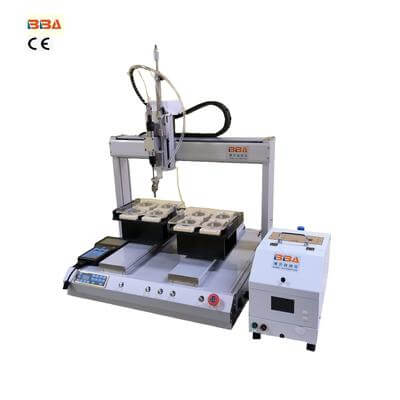
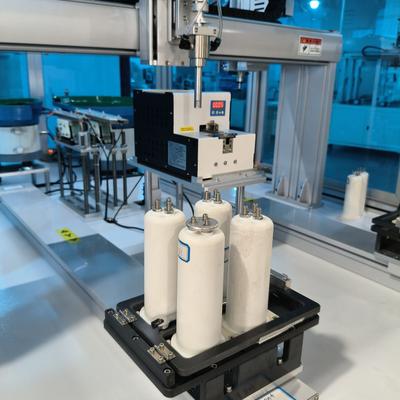
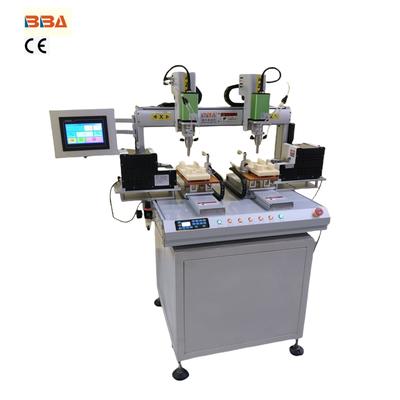
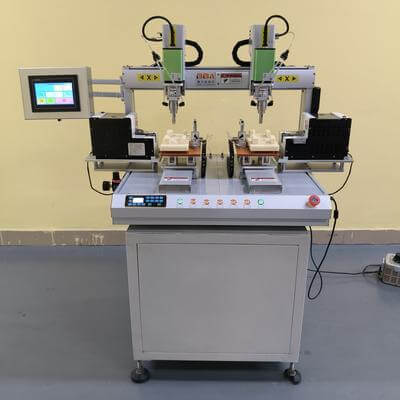
Multi-point assembly programming refers to the method of coordinating multiple robotic or mechanical systems to perform synchronized tasks across different stages of production. Unlike traditional single-point automation, where one machine handles a specific operation, multi-point systems distribute tasks across several units, optimizing throughput and minimizing idle time.
Key components of this approach include:
- Modular Robotics: Flexible robotic arms or pick-and-place systems configured for parallel task execution.
- Centralized Control Software: A unified programming interface to orchestrate movements and timing across all units.
- Real-Time Feedback Loops: Sensors and vision systems that adjust operations dynamically to maintain precision.
Advantages for Industrial Applications
Adopting multi-point assembly patterns offers transformative benefits:
- Scalability: Easily expand production capacity by adding or reconfiguring units without overhauling the entire line.
- Error Reduction: Automated synchronization minimizes human intervention, reducing inconsistencies and defects.
- Resource Optimization: Idle time is virtually eliminated as tasks are distributed efficiently across multiple points.
Implementation Best Practices
To deploy multi-point assembly systems effectively, consider these steps:
- Workflow Analysis: Map existing processes to identify parallelization opportunities.
- Hardware Synchronization: Ensure compatibility between robotic units and peripheral devices (conveyors, feeders, etc.).
- Dynamic Programming: Use adaptable algorithms to accommodate product variants or rapid changeovers.
As industries embrace Industry 4.0 principles, programming multi-point assembly patterns will become indispensable for achieving ultra-efficient, fault-tolerant production lines. By leveraging advanced automation technologies, manufacturers can future-proof their operations while meeting the demands of high-mix, low-volume production environments.
| Product Name | Applicable industries |
| Screw Fastening Unit | Smart Wearables Production |