Budgeting for Servo Screw Automation Projects - Cost & ROI Guide
Budgeting for servo screw automation projects requires careful planning to ensure cost-effectiveness while maintaining high performance. Servo screw automation is widely used in industries for precise fastening, assembly, and quality control. This article outlines key considerations for budgeting such projects, helping businesses optimize investment and avoid unexpected expenses.
1. Define Project Scope and Requirements
Before setting a budget, clearly define the scope of your automation project. Determine the number of workstations, screw sizes, torque requirements, and cycle time targets. Assess whether the system will handle single or multiple screw types, as this impacts complexity and cost. A well-defined scope minimizes revisions and additional expenses later.
2. Equipment Costs
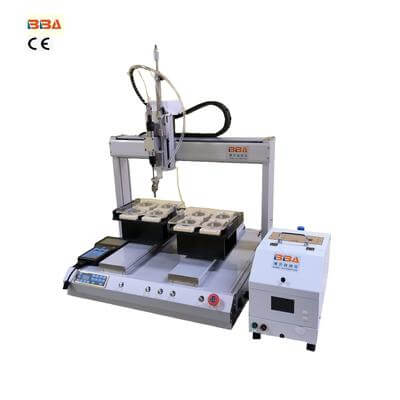
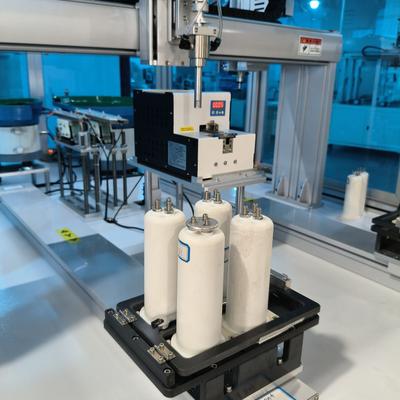
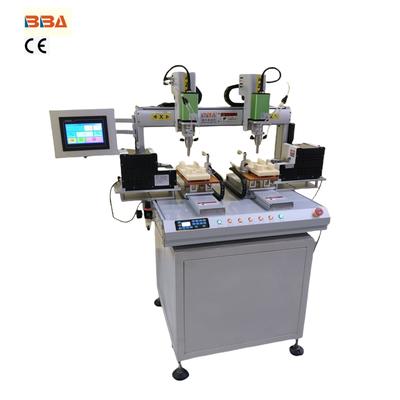
Servo screw automation systems include components like servo screwdrivers, feeders, controllers, and mounting fixtures. High-precision servo motors and torque sensors contribute significantly to costs but ensure repeatable accuracy. Budget for additional peripherals such as vision systems or sensors if required for quality checks. Consider both upfront costs and potential long-term savings from reduced labor and increased throughput.
3. Integration Expenses
Integrating automation into existing production lines may require modifications. Factor in costs for mechanical adjustments, electrical connections, and software compatibility. If third-party systems are involved, ensure seamless communication protocols (e.g., PLC interfaces) to avoid costly retrofits later.
4. Training and Maintenance
Allocate funds for operator training to maximize system efficiency. Regular maintenance (e.g., calibration, lubrication) ensures longevity. Include planned spare parts inventory to minimize downtime—especially wear-prone components like feeder tracks or screwdriver bits.
5. ROI Analysis
Compare automation costs against expected benefits: higher productivity, reduced defects, and labor savings. Calculate payback period based on throughput improvements. Even with higher initial investment, servo systems often deliver long-term value through precision and reliability.
A well-planned budget balances performance needs with financial constraints. By addressing these factors early, businesses can implement servo screw automation effectively, ensuring a competitive edge in industrial manufacturing.
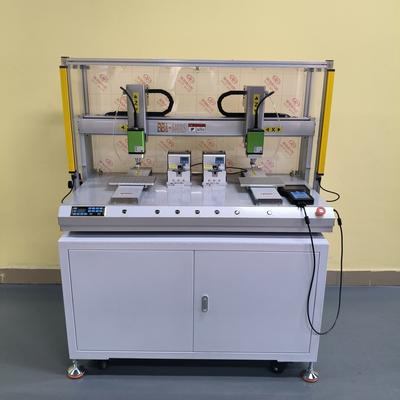
| Product Name | Applicable industries |
| Screw Fastening Unit | Power Tool Assembly Lines |