Modern Screw Fastening Systems - Precision & High-Speed Automation
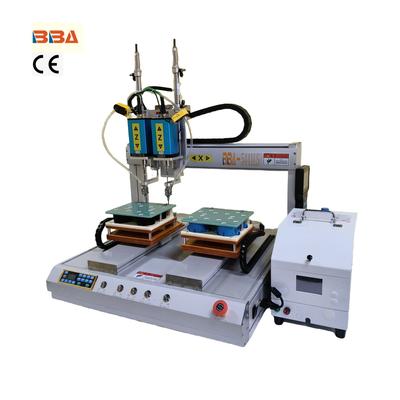
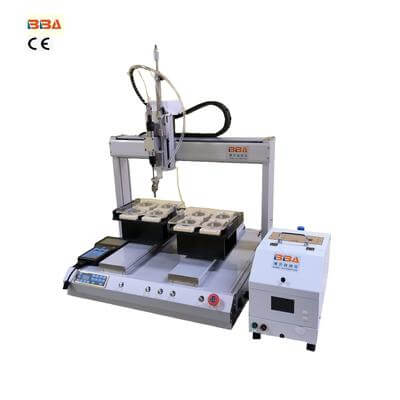
| Product Name | Applicable industries |
| CNC Screw Fastener | Telecommunication Equipment Assembly |
In the rapidly evolving world of industrial automation, screw fastening systems have become a cornerstone of efficient and precise assembly processes. Modern screw fastening systems are designed to meet the increasing demands of high-speed production, accuracy, and reliability. Below, we explore the key features that define today’s advanced screw fastening solutions.
Precision and Accuracy
One of the most critical features of modern screw fastening systems is their ability to deliver unmatched precision. These systems utilize advanced torque control mechanisms to ensure each screw is tightened to the exact specification required. Sensors and feedback loops continuously monitor the fastening process, adjusting torque and angle in real-time to prevent under-tightening or over-tightening, which can compromise product quality.
High-Speed Performance
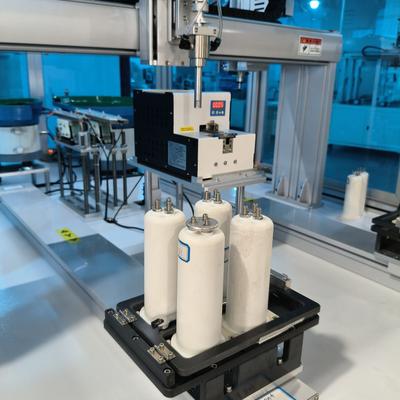
Speed is a defining factor in modern manufacturing, and screw fastening systems are no exception. Contemporary designs feature rapid screw feeding, automated bit changing, and optimized driving sequences to minimize cycle times. Integration with robotic systems further enhances speed, allowing seamless operation within high-volume production lines without sacrificing accuracy.
Flexibility and Adaptability
Modern screw fastening solutions are built to accommodate a wide range of applications. With configurable torque settings, interchangeable tooling, and programmable logic, these systems can handle diverse screw types, sizes, and materials. Some models even feature AI-driven adjustments, allowing them to adapt to varying workpieces without manual reconfiguration.
Data-Driven Process Control
The integration of Industry 4.0 technologies has transformed screw fastening systems into smart, data-centric tools. Real-time monitoring and logging of fastening parameters enable traceability and quality assurance. Predictive maintenance algorithms analyze usage patterns to preemptively identify wear and tear, reducing downtime and maintenance costs.
Ergonomic and User-Friendly Design
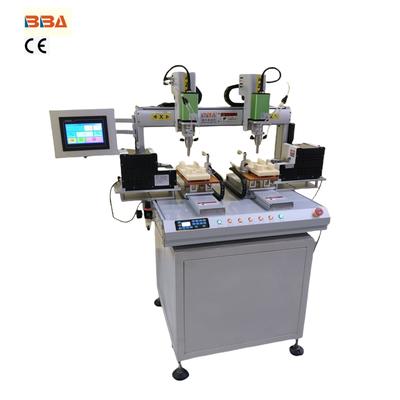
As operator comfort and safety gain importance, modern screw fastening systems are designed with ergonomics in mind. Lightweight materials, reduced vibration, and intuitive interfaces minimize physical strain and simplify operation. Touchscreen controls and guided workflows enhance usability, reducing training time for new operators.
Conclusion
The evolution of screw fastening systems reflects the broader trends in industrial automation—precision, speed, flexibility, and connectivity. By leveraging these advanced features, manufacturers can achieve higher efficiency, improved product quality, and reduced operational costs. As technology continues to advance, screw fastening systems will undoubtedly play an even more pivotal role in the factories of the future.