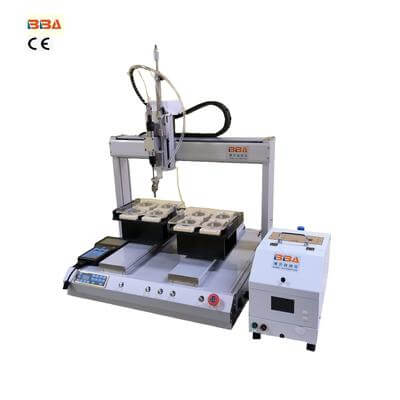
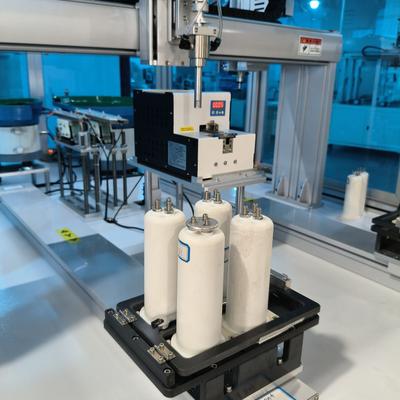
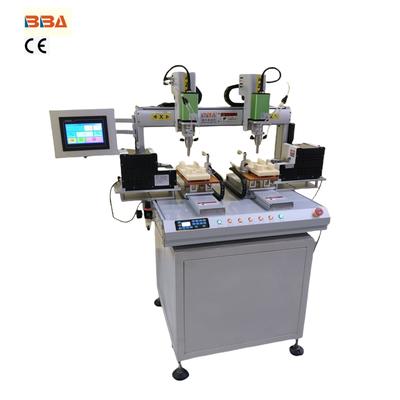
Factory Layout Optimization for Robotic Screwdrivers | Industrial Automation
| Product Name | Applicable industries |
| Servo Screwdriver Robot | Automotive Electronics Assembly |
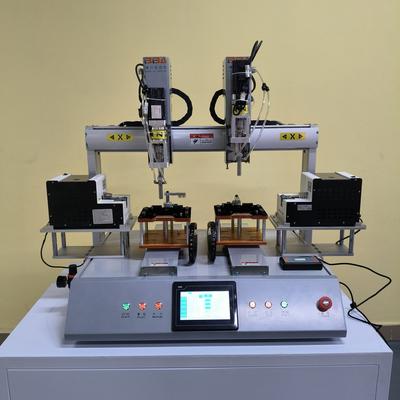
In the rapidly evolving landscape of industrial automation, robotic screwdrivers have become indispensable tools for assembly lines. Their precision, speed, and consistency make them ideal for high-volume production environments. However, to fully leverage their potential, manufacturers must carefully plan their factory layout around these automated systems. A well-optimized layout not only enhances efficiency but also minimizes downtime and maximizes productivity.
Understanding the Role of Robotic Screwdrivers
Robotic screwdrivers are designed to handle repetitive fastening tasks with unparalleled accuracy. They reduce human error, improve assembly quality, and can operate continuously without fatigue. When integrated into a production line, these systems require a carefully planned workflow to ensure seamless operation. The placement of robotic screwdrivers should align with the sequence of assembly steps, minimizing unnecessary movement and optimizing cycle times.
Key Considerations for Layout Planning
1. Workflow Optimization: The factory layout should follow a logical sequence from material input to final assembly. Position robotic screwdrivers at stages where fastening is critical, ensuring they are easily accessible for maintenance and adjustments.
2. Space Utilization: Robotic screwdrivers require sufficient space for operation and maintenance. Ensure there is adequate clearance for robotic arms to move freely and for technicians to perform servicing without disrupting production.
3. Ergonomics and Safety: Even in automated systems, human interaction is sometimes necessary. Design the layout to prioritize operator safety, keeping emergency stops and safety barriers in easily reachable locations.
Integration with Other Automated Systems
Robotic screwdrivers often work alongside other automation equipment such as conveyors, pick-and-place robots, and vision systems. Coordinating their movements and ensuring synchronization is crucial. Use centralized control systems to manage operations, reducing the risk of bottlenecks or collisions. Properly aligned workflows between these systems can significantly enhance overall production efficiency.
Future-Proofing Your Layout
As production demands evolve, so should your factory layout. Design your setup with scalability in mind, allowing for easy reconfiguration or expansion of robotic screwdriver stations. Modular designs and flexible workcells enable quick adjustments to accommodate new product lines or increased throughput.
Planning your factory layout around robotic screwdrivers is an investment in long-term efficiency and competitiveness. By carefully considering workflow, space, safety, and integration with other systems, manufacturers can create an optimized environment that maximizes the benefits of automation. Stay ahead in the industry by embracing intelligent layout strategies tailored to the unique demands of robotic fastening systems.