Automated Tightening Systems for Manufacturing | High-Precision Assembly Solutions
The manufacturing industry is undergoing a revolution driven by automation, and one of the most impactful advancements is the adoption of automated tightening systems. These systems play a crucial role in ensuring precision, efficiency, and consistency in assembly processes, making them indispensable for modern production lines. For companies looking to stay competitive, importing high-quality automated tightening systems can be a game-changer.
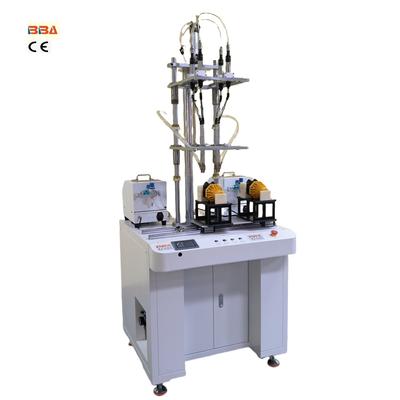
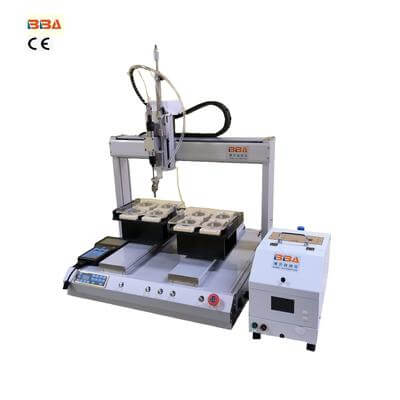
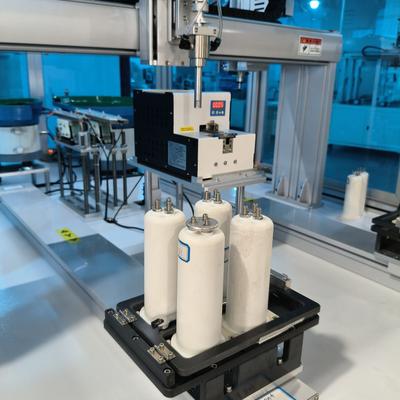
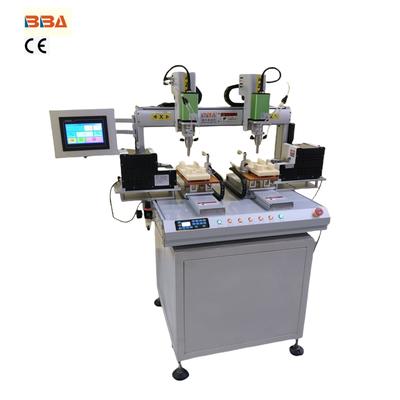
Automated tightening systems are designed to perform fastening operations with unmatched accuracy, reducing human error and increasing throughput. Whether it's automotive assembly, aerospace manufacturing, or electronics production, these systems deliver reliable torque control, ensuring every screw, bolt, or nut is tightened to exact specifications. This level of precision minimizes the risk of product defects, enhances safety, and improves overall product quality.
One of the key benefits of automated tightening systems is their ability to integrate seamlessly into existing production lines. Advanced models come equipped with smart sensors and connectivity features, allowing real-time monitoring and data logging. This not only helps in maintaining consistency but also enables predictive maintenance, reducing downtime and operational costs. Manufacturers can track performance metrics, identify bottlenecks, and optimize processes for better efficiency.
Moreover, these systems are highly adaptable, catering to a wide range of applications. From lightweight electronic devices to heavy industrial machinery, automated tightening solutions can be customized to meet specific torque requirements. The flexibility ensures that businesses across different sectors can leverage this technology to enhance their assembly processes.
Another advantage is the reduction in labor dependency. Traditional manual tightening is not only time-consuming but also physically demanding for workers. By automating this task, companies can reallocate human resources to more value-added activities, boosting productivity and employee satisfaction. Additionally, automation minimizes the risk of repetitive strain injuries, contributing to a safer workplace.
For businesses considering importing automated tightening systems, it’s essential to evaluate factors such as compatibility, scalability, and after-sales support. Partnering with reliable suppliers ensures access to cutting-edge technology and ongoing technical assistance, which is vital for long-term success. Investing in these systems not only streamlines production but also positions companies at the forefront of industrial innovation.
In conclusion, automated tightening systems represent a significant leap forward in manufacturing efficiency. Their precision, adaptability, and ability to enhance productivity make them a must-have for industries aiming to optimize their assembly lines. By embracing this technology, manufacturers can achieve higher quality standards, reduce costs, and maintain a competitive edge in an increasingly automated world.
| Product Name | Applicable industries |
| Inline Screw Locking System | PCB and Circuit Board Assembly |