Automatic Screw Locking Machine: Boost Assembly Line Efficiency | Manufacturing Solutions
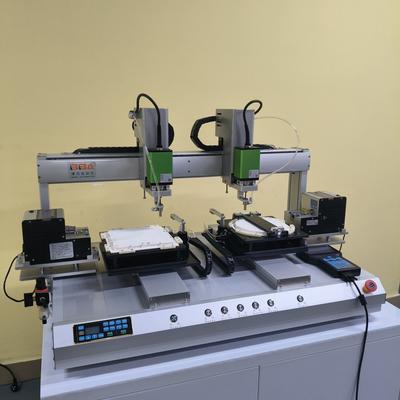
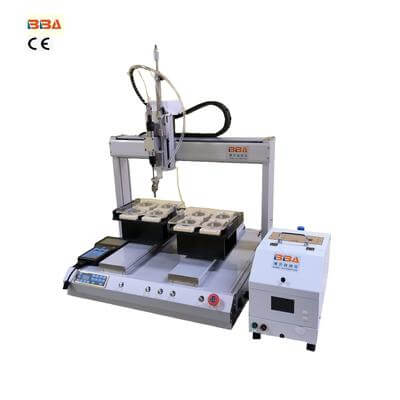
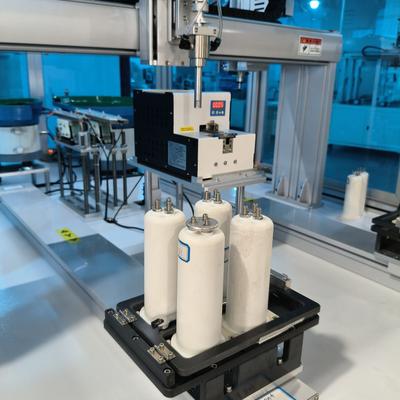
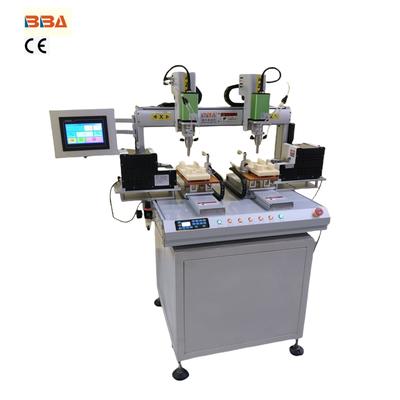
In the fast-paced world of manufacturing, efficiency and precision are critical to maintaining competitive advantage. One technological advancement that has significantly enhanced assembly line performance is the automatic screw locking machine. This sophisticated equipment streamlines the screw-fastening process, reduces human error, and boosts overall productivity. Below, we explore how this innovation transforms assembly operations.
1. Speed and Consistency
Manual screw tightening is time-consuming and prone to inconsistencies, especially in high-volume production. An automatic screw locking machine, however, operates at significantly higher speeds while maintaining uniform torque for every screw. This ensures each product meets quality standards without variation, reducing rework and waste.
2. Labor Efficiency and Cost Savings
By automating the screw-fastening process, manufacturers minimize reliance on manual labor. Workers can focus on higher-value tasks while the machine handles repetitive actions with precision. Over time, this reduces labor costs and mitigates fatigue-related errors, enhancing both output quality and employee satisfaction.
3. Error Reduction and Quality Control
Human operators may inadvertently apply uneven torque, skip screws, or over-tighten fasteners, leading to defects. Automatic screw locking machines eliminate these risks with programmed precision, ensuring every screw is secured to exact specifications. Integrated sensors can also detect missed screws or improper alignment, further enhancing quality assurance.
4. Adaptability and Scalability
Modern automatic screw locking systems are designed for flexibility. They can be adjusted for different screw sizes, materials, and torque requirements, making them suitable for diverse production lines. As demand grows, these machines easily scale to handle increased volumes without compromising speed or accuracy.
5. Enhanced Workplace Safety
Repetitive manual screw driving can lead to musculoskeletal strain or injuries over time. Automation reduces physical strain on workers, creating a safer environment. Additionally, machines minimize contact with sharp or moving parts, lowering the risk of accidents.
Conclusion
The integration of an automatic screw locking machine into an assembly line delivers measurable improvements in speed, accuracy, and operational efficiency. By reducing labor dependence, minimizing errors, and enhancing adaptability, this technology empowers manufacturers to meet modern production demands while maintaining superior quality. Investing in such automation is a strategic move for any business aiming to optimize its assembly processes.