Screw Fastening Machine Maintenance & Part Replacement Guide | Industrial Automation
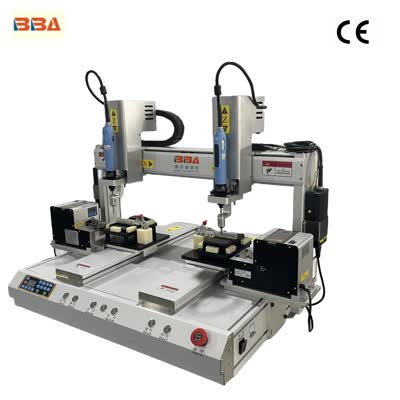
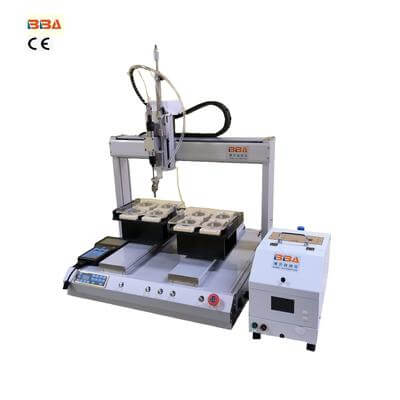
| Product Name | Applicable industries |
| Screw Locking Robot | Laptop and Tablet Assembly |
Replacing Parts in Screw Fastening Machines: A Guide for Optimal Performance
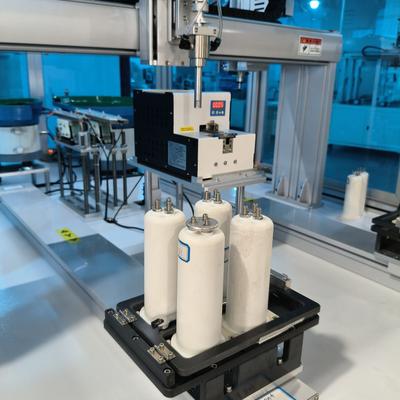
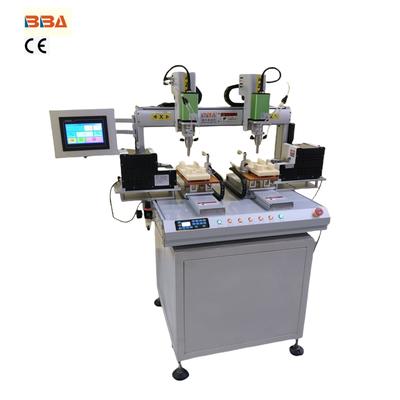
Screw fastening machines are essential tools in industrial automation, ensuring precision and efficiency in assembly lines. Over time, however, wear and tear can affect their performance. Regular replacement of critical components is necessary to maintain productivity and avoid costly downtime. This blog explores the key parts that may need replacement and provides practical guidance for keeping your screw fastening machines in top condition.
Common Parts Requiring Replacement
1. Screwdriver Bits: The most frequently replaced component, bits wear down due to friction and repeated use. Dull or damaged bits can lead to stripped screws or improper torque. Inspect them regularly and replace them at the first sign of wear.
2. Feed Systems: Components like feed tracks, hoppers, and vibratory bowls can degrade over time. Misalignment or blockages in the feed system disrupt screw delivery, causing jams or inconsistent fastening.
3. Torque Sensors: These sensors ensure consistent screwdriving force. If torque readings become erratic, it may indicate sensor failure, leading to over-tightening or loose fasteners.
4. Motors and Gearboxes: High-use environments strain motors and gear mechanisms. Unusual noises, overheating, or reduced torque output signal the need for inspection or replacement.
5. Grippers and Clamps: Worn grippers fail to hold workpieces securely, compromising fastening accuracy. Check for signs of deformation or reduced grip strength.
Best Practices for Replacement
1. Scheduled Maintenance: Implement a preventive maintenance schedule based on usage hours or production cycles. This proactive approach minimizes unexpected failures.
2. Use Genuine Parts: Always opt for manufacturer-approved replacement parts to ensure compatibility and performance. Counterfeit components may save costs initially but often lead to premature failures.
3. Proper Calibration: After replacing critical components like torque sensors, recalibrate the machine to maintain precision. Incorrect calibration can affect product quality.
4. Employee Training: Ensure technicians are trained in proper replacement procedures. Incorrect installation can damage new parts or the machine itself.
5. Monitor Performance: After replacements, track machine performance metrics to verify improvements and identify any lingering issues.
Signs Your Machine Needs Attention
Watch for these indicators that parts may need replacement:
- Increased cycle times
- Inconsistent torque application
- Frequent jams or misfeeds
- Unusual vibrations or noises
- Visible damage to components
By staying proactive with part replacements and maintenance, you can extend the lifespan of your screw fastening machines, reduce downtime, and maintain high-quality production standards. Always consult your machine's manual for specific maintenance guidelines and replacement intervals tailored to your equipment.