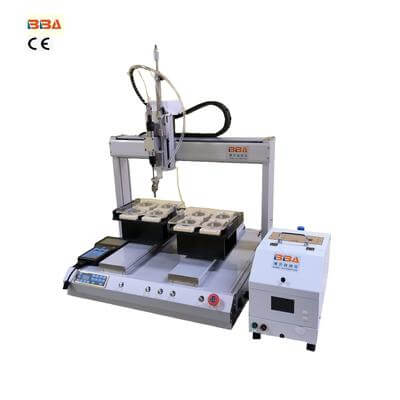
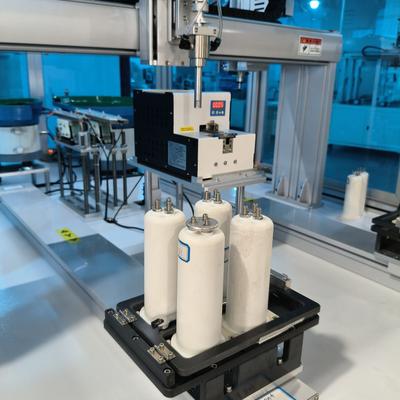
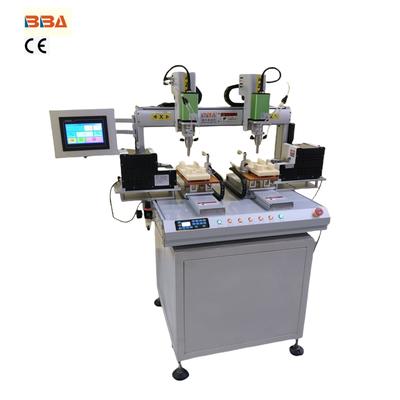
Servo Screw Robots: Total Cost of Ownership (TCO) and Long-Term Benefits
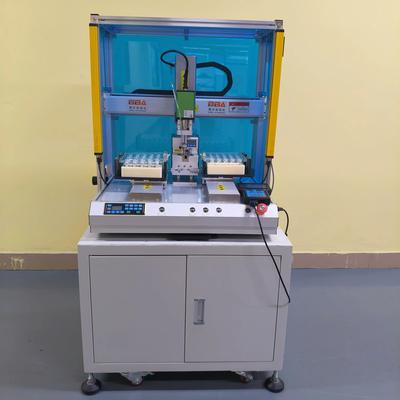
| Product Name | Applicable industries |
| Auto Screwdriver Machine | Smart Wearables Production |
In the fast-paced world of industrial automation, servo screw robots have emerged as a game-changer for manufacturers seeking precision, efficiency, and long-term cost savings. Understanding the Total Cost of Ownership (TCO) of these advanced systems is critical for making informed investment decisions. This article explores the key components of TCO for servo screw robots and how they deliver value over time.
Initial Investment vs. Long-Term Savings
While the upfront cost of servo screw robots may seem significant, it’s essential to evaluate their long-term benefits. Unlike traditional pneumatic or mechanical systems, servo-driven solutions offer unparalleled accuracy, repeatability, and energy efficiency. The reduction in scrap, downtime, and maintenance expenses often outweighs the initial capital outlay, resulting in a lower TCO over the robot’s lifespan.
Energy Efficiency and Operational Costs
Servo screw robots consume significantly less energy compared to conventional systems. Their ability to operate only when needed—thanks to precise servo control—reduces power consumption and lowers utility bills. Additionally, the minimized mechanical wear and tear extend the system’s lifespan, further reducing replacement and repair costs.
Maintenance and Downtime Reduction
One of the most significant contributors to TCO is maintenance. Servo screw robots require fewer mechanical adjustments and part replacements due to their advanced design. Predictive maintenance capabilities, enabled by real-time monitoring, allow for timely interventions, preventing costly unplanned downtime. This proactive approach ensures continuous production without unexpected disruptions.
Flexibility and Scalability
The adaptability of servo screw robots makes them ideal for dynamic manufacturing environments. Their programmable nature allows for quick reconfiguration to accommodate new products or processes, eliminating the need for expensive hardware changes. This scalability ensures that your investment remains relevant as production demands evolve.
Conclusion
When evaluating the TCO of servo screw robots, it’s clear that their superior performance, energy efficiency, and low maintenance requirements translate into substantial cost savings over time. By investing in these advanced systems, manufacturers can achieve higher productivity, reduced operational expenses, and a stronger competitive edge in the industry.