Desktop Screw Robots vs. Manual Labor: ROI Comparison for Manufacturers
| Product Name | Applicable industries |
| Inline Screw Locking System | Home Appliance Production |
In the evolving landscape of industrial automation, companies are constantly seeking ways to optimize productivity and reduce operational costs. One critical decision many manufacturers face is whether to invest in desktop screw robots or continue relying on manual labor for assembly tasks. This article provides a detailed comparison of the return on investment (ROI) between these two approaches, helping businesses make informed decisions.
Understanding Desktop Screw Robots
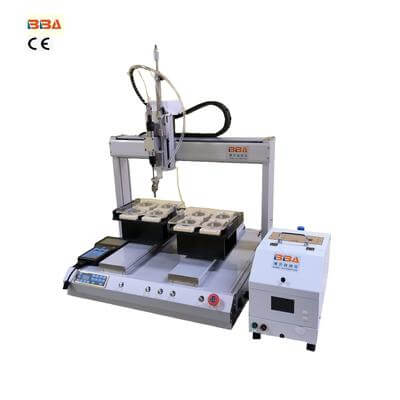
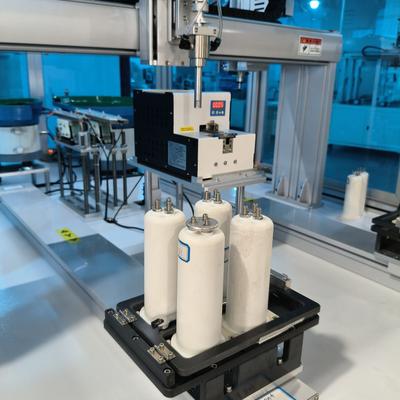
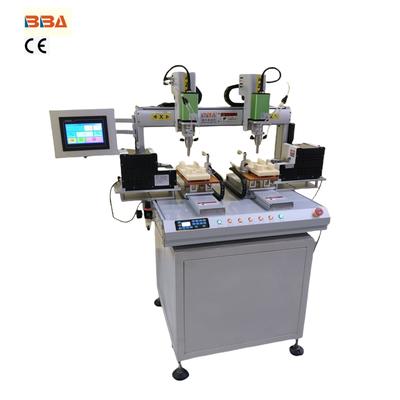
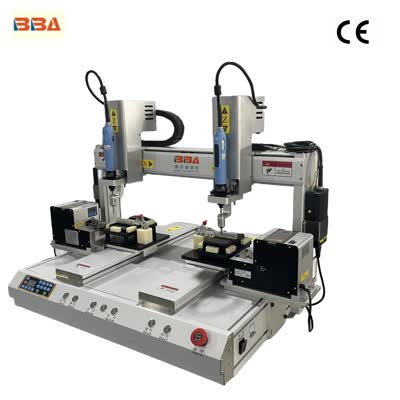
Desktop screw robots are compact, automated systems designed to handle screwdriving tasks with precision and efficiency. These robots can be integrated into production lines to perform repetitive tasks faster and more accurately than human workers. Key advantages include:
- Consistency: Robots eliminate human error, ensuring consistently high-quality assembly.
- Speed: Automated screwdriving is significantly faster than manual labor, increasing throughput.
- Reduced Labor Costs: Over time, robots reduce dependence on manual workers, lowering long-term expenses.
The Manual Labor Alternative
Manual labor has been the traditional approach to assembly tasks, offering flexibility and adaptability. However, challenges include:
- Human Error: Even skilled workers may make mistakes, leading to rework and waste.
- Labor Costs: Wages, benefits, and training add up over time, increasing operational expenses.
- Fatigue: Long shifts can reduce productivity and consistency in assembly quality.
ROI Comparison: Automation vs. Manual Labor
To determine the better investment, let’s compare the ROI of desktop screw robots versus manual labor.
Initial Investment
Desktop screw robots require an upfront capital investment, including hardware, software, and integration costs. In contrast, manual labor demands ongoing expenses such as wages, training, and workplace accommodations.
Long-Term Savings
Automation reduces long-term costs by minimizing labor expenses, increasing production efficiency, and reducing waste from errors. Robots also operate continuously without breaks, maximizing output.
Scalability
Desktop screw robots can be easily reprogrammed for different tasks, offering scalability for growing businesses. Manual labor, while flexible, may require additional hiring and training as demand increases.
Conclusion
While manual labor provides immediate flexibility, desktop screw robots offer a superior ROI for companies focused on long-term efficiency and cost savings. Investing in automation not only enhances productivity but also ensures consistent quality, making it a smart choice for forward-thinking manufacturers.