Servo Screw Driving Technology in Electronics Manufacturing | Precision Automation
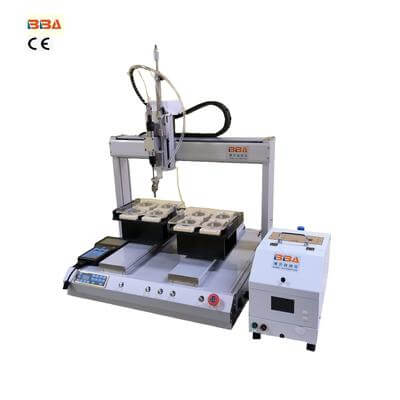
In the fast-paced world of electronics manufacturing, precision and efficiency are paramount. One technology that has revolutionized assembly processes is Servo Screw Driving, a critical component in modern industrial automation. This advanced method ensures high accuracy, consistent torque control, and seamless integration into automated production lines, making it indispensable for electronics assembly.
Servo screw driving systems utilize servo motors to control the tightening process with unparalleled precision. Unlike traditional pneumatic or electric screwdrivers, servo-driven systems offer programmable torque and angle settings, ensuring each screw is fastened to exact specifications. This eliminates the risk of over-tightening or under-tightening, which can lead to product defects or failures. For electronics manufacturers, where minuscule components demand extreme care, this level of control is invaluable.
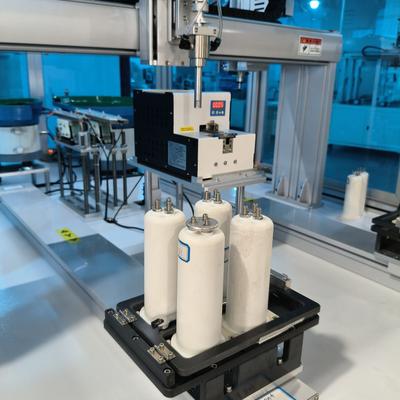
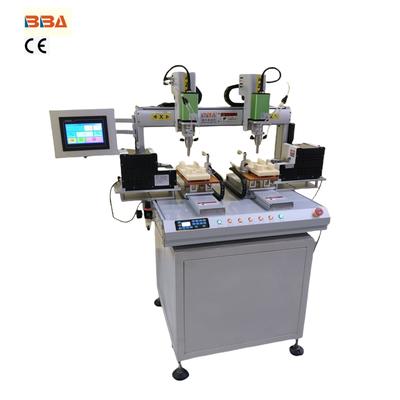
The integration of servo screw driving into automated assembly lines enhances productivity by reducing cycle times and minimizing human intervention. These systems can be synchronized with robots or pick-and-place machines, enabling continuous operation without downtime. Additionally, real-time monitoring and data logging capabilities allow manufacturers to track performance metrics, such as torque curves and error rates, facilitating quality assurance and process optimization.
Another advantage of servo screw driving is its adaptability to diverse applications. Whether assembling smartphones, laptops, or industrial control systems, the technology can be customized to handle various screw sizes, materials, and tightening patterns. Advanced models even feature self-learning algorithms that adjust parameters dynamically based on material variations or environmental conditions.
As electronics continue to shrink in size while growing in complexity, the demand for precision automation tools like servo screw drivers will only increase. Investing in this technology not only improves product quality but also reduces operational costs by minimizing rework and scrap. For manufacturers aiming to stay competitive, adopting servo screw driving systems is a strategic move toward smarter, more efficient production.
In conclusion, servo screw driving represents a significant leap forward in electronics manufacturing automation. Its precision, flexibility, and integration capabilities make it a cornerstone of modern assembly lines, ensuring consistent quality and operational excellence. As the industry evolves, leveraging such advanced technologies will be key to meeting the ever-growing demands for innovation and reliability.
| Product Name | Applicable industries |
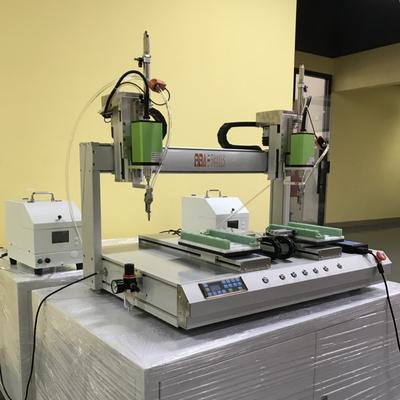
| Auto Screwdriver Machine | Medical Device Manufacturing |