Screw Assembly Automation: Precision, Flexibility & Quality Control
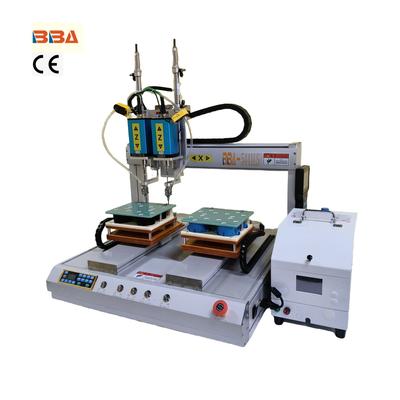
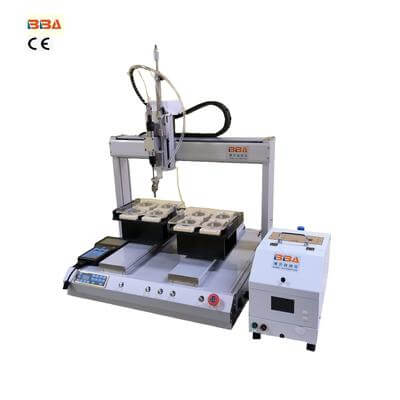
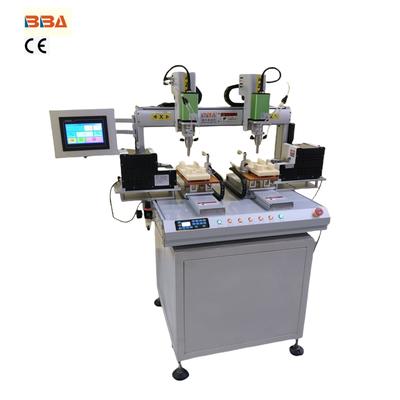
| Product Name | Applicable industries |
| Desktop Screwdriver Robot | Medical Device Manufacturing |
In the world of industrial automation, screw assembly might seem like a basic process, but it is a critical component that can significantly impact the efficiency, quality, and reliability of manufacturing operations. For technology manufacturers, optimizing screw assembly processes is essential to staying competitive and meeting the demands of modern production. This blog explores key topics related to screw assembly, offering insights and strategies to enhance your manufacturing workflow.
One of the most important aspects of screw assembly is precision. Inaccuracies in torque, alignment, or speed can lead to product defects, increased waste, and even equipment failure. Advanced automated screwdriving systems now incorporate real-time monitoring and feedback mechanisms to ensure each screw is fastened with exact specifications. These systems use sensors and software to detect errors immediately, allowing for corrections before issues escalate. By investing in high-precision automation tools, manufacturers can improve product consistency and reduce the need for rework.
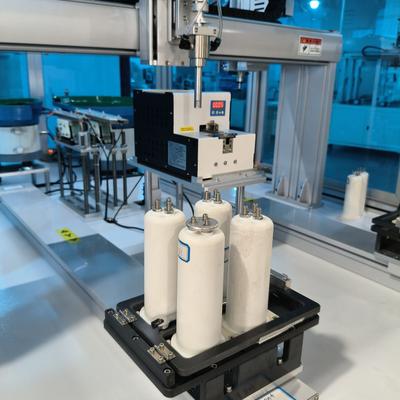
Another key topic is flexibility in assembly lines. Technology products often vary in design, size, and material, requiring adaptable screw assembly solutions. Modern automated screwdrivers are designed with modular components that can be easily reconfigured for different tasks. This flexibility allows manufacturers to switch between product lines quickly without significant downtime. Additionally, collaborative robots (cobots) are being integrated into screw assembly processes to work alongside human operators, combining the strength of automation with the dexterity of human hands for complex or delicate tasks.
Quality control is also paramount in screw assembly. Automated vision systems are increasingly used to verify screw placement, orientation, and tightness. These systems capture high-resolution images of each assembly point and compare them to predefined standards, flagging any discrepancies. This not only ensures that every product meets quality benchmarks but also provides valuable data for continuous improvement. By analyzing trends in assembly errors, manufacturers can identify root causes and implement preventive measures, ultimately enhancing overall production quality.
Sustainability is another growing concern in manufacturing, and screw assembly is no exception. Efficient screwdriving processes minimize energy consumption and reduce material waste. For instance, automated systems can precisely control the amount of force applied, preventing damage to screws and components, which in turn extends the lifespan of both the product and the tools. Furthermore, many manufacturers are opting for reusable or recyclable screws and fasteners, aligning with broader environmental goals. By embracing sustainable practices, companies not only contribute to environmental protection but also often realize cost savings through reduced waste and energy use.
Finally, the integration of Industry 4.0 technologies is transforming screw assembly. Internet of Things (IoT) devices connect screwdriving equipment to centralized systems, enabling real-time data collection and analysis. This connectivity allows for predictive maintenance, where potential issues are identified before they cause downtime, and remote monitoring, which provides insights into assembly performance from anywhere in the world. As manufacturing becomes more interconnected, these smart systems will play a crucial role in optimizing screw assembly processes and driving innovation.
In conclusion, screw assembly is a vital process that requires attention to detail, adaptability, and a commitment to quality and sustainability. By leveraging advanced automation, precision tools, and smart technologies, tech manufacturers can enhance their assembly lines, improve product reliability, and stay ahead in a competitive market. Continual investment in these areas will ensure that screw assembly remains a strength rather than a bottleneck in manufacturing operations.