Automatic Screw Locking Machine: Boost Manufacturing Efficiency & Precision
In the fast-paced world of manufacturing, efficiency and precision are non-negotiable. One innovation that has revolutionized assembly line workflows is the automatic screw locking machine. This advanced tool streamlines the process of fastening screws, eliminating manual labor bottlenecks and ensuring consistent quality. Let’s explore how this technology optimizes production lines and drives operational success.
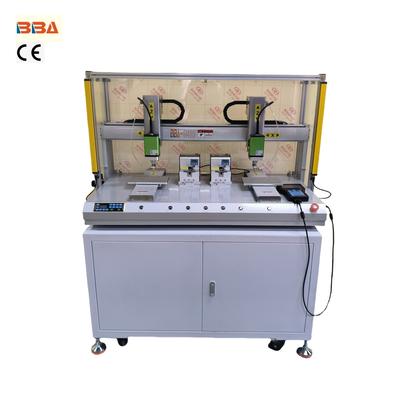
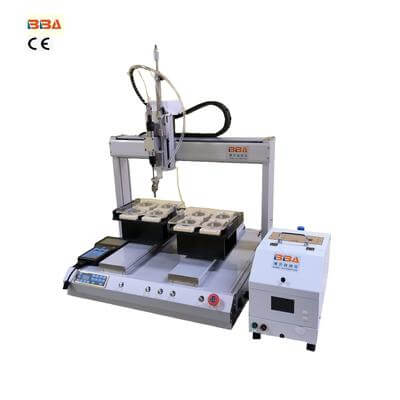
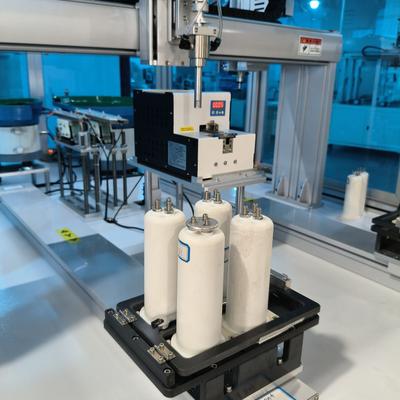
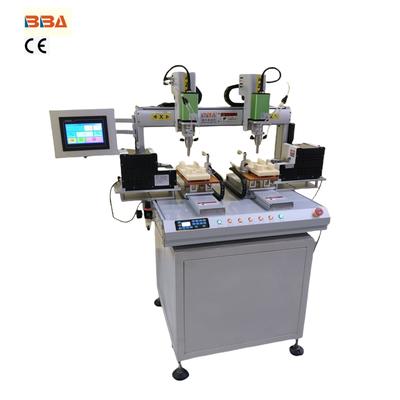
Traditional screw assembly methods rely on handheld tools, which are prone to human error and fatigue. Workers may apply inconsistent torque, misalign screws, or struggle with repetitive tasks over long shifts. These inefficiencies lead to product defects, rework costs, and delayed timelines. An automatic screw locking machine addresses these challenges by combining robotics, precision engineering, and smart software to perform tasks with unmatched accuracy. Equipped with sensors and programmable logic controllers (PLCs), these systems detect screw positions, adjust torque dynamically, and log data for quality assurance.
Speed is another critical advantage. Automated screw drivers can complete tasks in seconds, synchronizing with conveyor belts or robotic arms to maintain a seamless workflow. For example, in electronics manufacturing, where devices require dozens of micro-screws, automation reduces assembly time by up to 70% compared to manual methods. This acceleration allows factories to meet higher production quotas without compromising on precision, even for complex or miniaturized components.
Consistency is the backbone of quality control, and automated systems deliver it effortlessly. Each screw is tightened to exact specifications, preventing under-tightening (which risks component loosening) or over-tightening (which may damage materials). Advanced models feature real-time monitoring, instantly flagging anomalies like cross-threading or missing screws. This proactive approach minimizes defects and reduces waste, ensuring products meet stringent industry standards. For automotive or aerospace applications, where safety is paramount, such reliability is indispensable.
Flexibility further enhances the value of these machines. Modern systems can be reconfigured for different screw sizes, materials, and assembly patterns via user-friendly interfaces. Whether assembling consumer gadgets, medical devices, or heavy machinery, the same machine adapts to diverse production needs. Quick-change tooling and preset recipes allow rapid transitions between product batches, slashing downtime and supporting just-in-time manufacturing strategies.
Cost savings compound over time. While the initial investment in automation may seem substantial, reduced labor expenses, lower error rates, and increased throughput deliver a rapid ROI. Factories also benefit from improved worker safety, as employees shift from repetitive manual tasks to supervisory roles overseeing multiple machines. This boosts morale and reduces workplace injuries associated with prolonged tool use.
Integration with Industry 4.0 ecosystems amplifies these benefits. Automatic screw locking machines can connect to central databases, sharing performance metrics with ERP or MES platforms. Predictive maintenance algorithms analyze usage patterns to schedule servicing before components fail, avoiding unplanned downtime. Such connectivity enables data-driven decision-making, helping manufacturers refine processes and scale operations intelligently.
Looking ahead, advancements in AI and machine learning will push these systems further. Imagine a screw locking machine that self-optimizes torque settings based on material feedback or collaborates with adjacent robots to handle entire subassemblies autonomously. As industries demand faster, leaner, and more agile production lines, automation tools like these will remain indispensable for maintaining competitive advantage.
In summary, automatic screw locking machines are transformative assets for modern manufacturing. By enhancing speed, precision, and adaptability, they empower businesses to achieve higher output, superior product quality, and sustainable growth in an increasingly demanding global market.