Data Logging & Analysis in Screw Feeder Machines | Industrial Automation
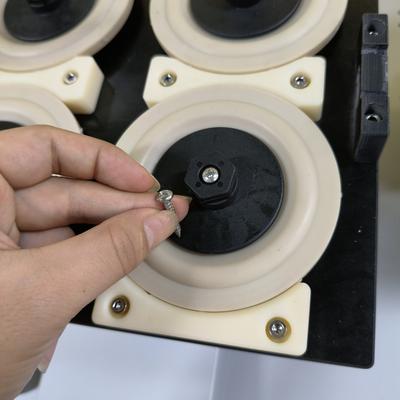
| Product Name | Applicable industries |
| Servo Screwdriver Robot | Laptop and Tablet Assembly |
Data Logging and Analysis in Screw Feeder Machines
In the world of industrial automation, precision and reliability are paramount. Screw feeder machines play a critical role in countless manufacturing processes, ensuring the accurate and consistent delivery of materials—from tiny electronic components to bulk powders and granules. However, the true potential of these machines is unlocked not just by their mechanical performance, but by their ability to generate and utilize data. This is where advanced data logging and analysis come into play, transforming a simple feeding operation into a smart, connected, and highly efficient component of the production line.
The Critical Role of Data Logging
Modern screw feeder machines are equipped with sophisticated sensors and control systems that continuously monitor a wide array of operational parameters. Data logging is the process of systematically recording this information over time. Key metrics typically captured include:
- Feed Rate: The actual mass or volume of material dispensed per unit of time, measured against the setpoint.
- Motor Torque and RPM: Continuous monitoring of the drive motor provides insights into the mechanical effort required, which can indicate material blockages, changes in material characteristics, or wear and tear.
- Hopper Level: Data on material levels in the hopper can help predict refill needs and prevent downtime.
- Vibration and Acoustics: Abnormal vibrations or sounds can be early indicators of mechanical issues like bearing failure or misalignment.
- Operational Time: Total running time and cycle counts are essential for scheduling predictive maintenance.
This constant stream of data is stored in onboard memory or transmitted to a central supervisory system, creating a comprehensive historical record of the machine's performance.
From Raw Data to Actionable Insights
Collecting data is only the first step. The real value is realized through analysis. Powerful software tools analyze the logged data to identify patterns, trends, and anomalies. This analytical process enables several advanced capabilities:
- Predictive Maintenance: Instead of following a fixed schedule or waiting for a breakdown, maintenance can be performed precisely when needed. By analyzing trends in motor torque and vibration data, the system can predict an impending component failure—such as a worn screw or motor bearing—and alert operators days or weeks in advance, preventing unplanned downtime.
- Process Optimization: Analyzing feed rate consistency and comparing it with final product quality data can reveal optimal operating parameters. For instance, subtle variations in material density or flowability can be compensated for automatically by adjusting the feeder's speed, ensuring consistent output and reducing material waste.
- Quality Assurance and Traceability: For industries with strict regulatory requirements, a complete data log provides an immutable audit trail. Every batch produced can be traced back to the exact operating conditions of the feeder, demonstrating compliance and facilitating rapid root-cause analysis if a quality issue arises.
- Remote Monitoring and Diagnostics: Technicians and engineers are no longer tied to the factory floor. Data can be accessed remotely via secure networks, allowing for real-time monitoring of equipment health and performance from anywhere in the world. This enables faster response times and reduces the need for on-site visits.
Building a Smarter, More Connected Factory
The integration of data logging and analysis in screw feeder machines is a fundamental step towards the realization of the Industrial Internet of Things (IIoT) and Industry 4.0. These machines cease to be isolated units and become intelligent nodes in a larger, interconnected network. They communicate with other machinery, Enterprise Resource Planning (ERP) systems, and Manufacturing Execution Systems (MES), providing a holistic view of the entire production process.
In conclusion, data logging and analysis are no longer optional features for high-performance screw feeder systems; they are essential components for achieving maximum efficiency, quality, and reliability. By harnessing the power of this data, manufacturers can move from a reactive to a proactive operational model, minimizing costs, maximizing uptime, and driving continuous improvement across their automated processes.