Automatic Screw Assembly Systems for Electronics Manufacturing | Precision Automation
In the fast-evolving world of electronics manufacturing, precision and efficiency are paramount. One of the critical processes that significantly impacts both is automatic screw assembly. As electronic devices become smaller, more complex, and produced in higher volumes, manual screw fastening is no longer viable. Automated screw assembly systems have emerged as essential solutions, ensuring accuracy, consistency, and speed in production lines.
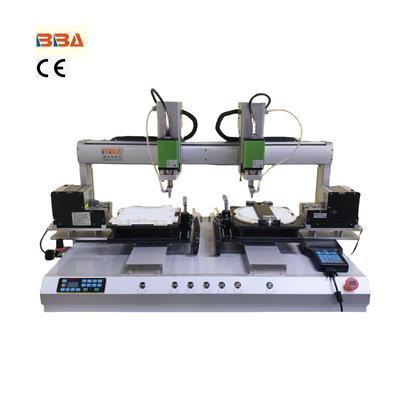
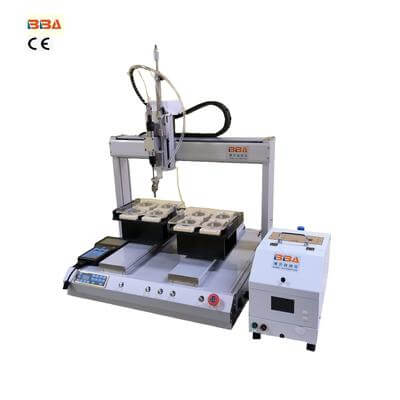
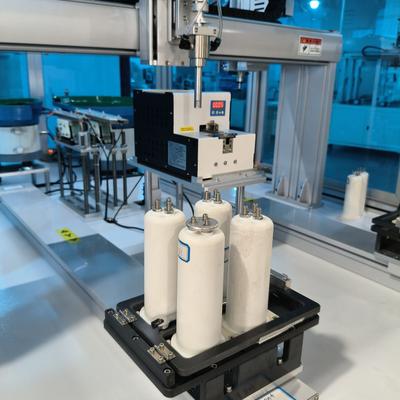
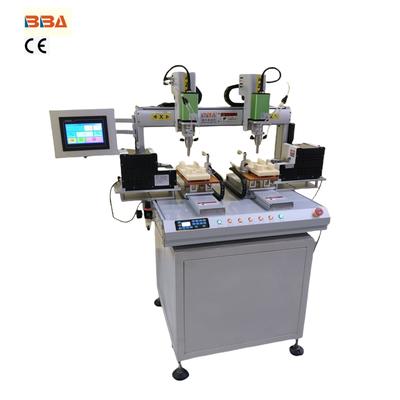
Automatic screw assembly involves the use of robotic systems, feeders, and drivers to place and tighten screws without human intervention. These systems are designed to handle a variety of screw sizes and types, adapting seamlessly to different product designs. The process begins with a feeder that orients and delivers screws to the driver. A robotic arm then positions the driver precisely over the target location, inserts the screw, and applies the correct torque to secure it. This entire operation is completed in a fraction of the time it would take manually, with minimal error rates.
The benefits of automating screw assembly are substantial. Firstly, it enhances product quality by eliminating human errors such as cross-threading, over-tightening, or missing screws. Consistent torque application ensures that every screw is fastened to specification, reducing the risk of product failure. Secondly, automation drastically increases throughput. Machines can work continuously without fatigue, significantly boosting production rates and meeting demanding deadlines. Additionally, these systems improve workplace safety by reducing repetitive strain injuries associated with manual screw driving.
Integrating automatic screw assembly into existing production lines is becoming increasingly straightforward thanks to advancements in modular and flexible automation solutions. Modern systems are equipped with vision systems and sensors to detect misalignments, ensure correct screw placement, and adapt to variations in component positioning. They can be programmed for multiple products, allowing manufacturers to switch between different assemblies quickly without extensive retooling.
As the electronics industry continues to innovate, the role of automation in assembly processes will only grow. Automatic screw assembly not only addresses the challenges of precision and efficiency but also supports scalability and cost-effectiveness. Manufacturers investing in these technologies are better positioned to compete in a market where quality and speed are critical. Embracing automation is no longer an option but a necessity for future-ready electronics manufacturing.
| Product Name | Applicable industries |
| Inline Screw Locking System | LED Lighting Industry |