Sustainability in Compact Automation Systems | Green Industrial Automation
Sustainability in Compact Automation Systems
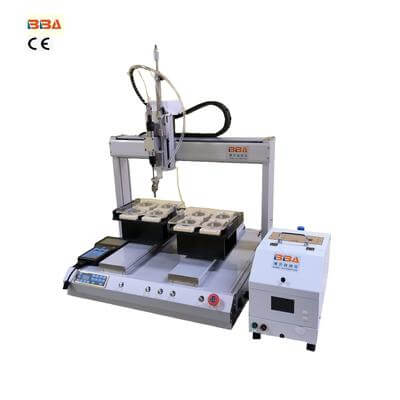
The global industrial landscape is undergoing a profound transformation, driven by an urgent need for greater efficiency and a reduced environmental footprint. In this context, compact automation systems are emerging not merely as a trend for space optimization, but as a pivotal strategy for achieving true sustainability in manufacturing and processing operations. The inherent design principles of these integrated solutions—smaller physical size, reduced material usage, and lower energy consumption—directly contribute to a more responsible and future-proof industrial ecosystem.
The Pillars of Sustainable Automation
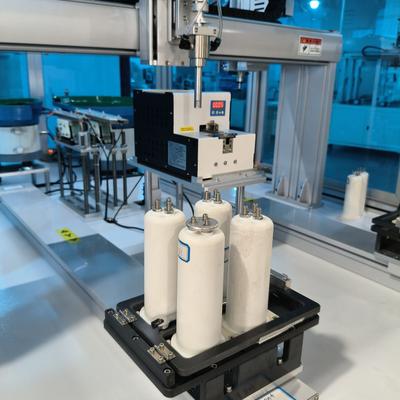
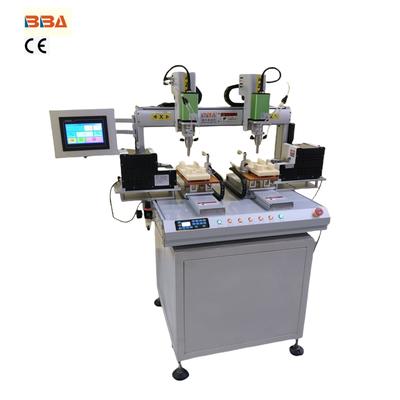
Sustainability in automation is a multi-faceted goal, built upon three core pillars: energy efficiency, resource conservation, and longevity. Compact systems excel in all three areas. By integrating multiple functions into a single, streamlined unit, they eliminate the need for extensive wiring, large support structures, and redundant components. This integration drastically cuts down on the raw materials required for production. Furthermore, the reduced mass and optimized mechanical pathways lead to significantly lower power demands during operation. This means machines can achieve the same, or often higher, output levels while consuming less electricity, directly reducing greenhouse gas emissions from power generation.
Beyond Energy: A Holistic View
While energy savings are a crucial metric, the sustainable impact of compact automation extends further. The minimized use of materials like metals, plastics, and oils in their construction translates to a lower environmental burden from mining, processing, and transportation. Their smaller footprint also allows manufacturers to maximize floor space, potentially avoiding the need for facility expansions that consume land and resources. This space efficiency fosters denser production layouts, which can shorten material handling paths and further reduce energy overheads.
Designing for the Entire Lifecycle
True sustainability considers the entire lifecycle of a product. Leading compact automation systems are now designed for durability, ease of maintenance, and end-of-life recyclability. High-quality components and robust designs ensure a long operational life, delaying the resource-intensive process of replacement. When service is required, modular architectures allow for quick replacement of individual modules instead of the entire system, minimizing waste. Finally, designs that facilitate disassembly and use standardized materials make recycling components far more efficient, ensuring valuable materials re-enter the production cycle rather than ending up in a landfill.
The Path Forward
The adoption of compact automation systems represents a critical step for industries committed to environmental stewardship and corporate social responsibility. These systems offer a clear and measurable path to reducing operational costs and environmental impact simultaneously. As technology advances, we can expect even greater integration of smart sensors and IoT connectivity within these compact units, enabling predictive maintenance that prevents waste and optimizes energy use in real-time. The future of industrial automation is not just smaller and smarter; it is inherently greener, proving that industrial progress and ecological responsibility can, and must, go hand in hand.
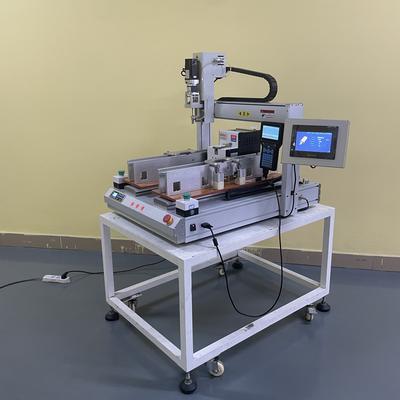
| Product Name | Applicable industries |
| Dual Head Screwdriver | Drone and UAV Manufacturing |