Manual vs Automatic Screw Fastening Comparison Guide | Pros & Cons
| Product Name | Applicable industries |
| Screw Fastening Unit | Electric Bicycle Assembly |
Manual vs. Automatic Screw Fastening: Which Is Better?
In the world of manufacturing and assembly, the method of screw fastening plays a critical role in determining product quality, production efficiency, and overall operational costs. The debate between manual and automatic screw fastening is a common one among production managers and engineers. Both methods have their place on the factory floor, but understanding their key differences is essential for making an informed decision that aligns with your production goals.
Understanding Manual Screw Fastening
Manual screw fastening is the traditional approach, relying on human operators using handheld tools like electric screwdrivers or simple wrenches. This method offers a low initial investment and is highly adaptable to changes in product design or assembly layout. It is particularly well-suited for low-volume production, prototype development, or tasks requiring complex maneuvers in tight spaces where automated machinery might struggle. The human element also allows for immediate tactile feedback and on-the-spot adjustments.
However, manual fastening comes with significant drawbacks. It is inherently slower and more susceptible to human error. Inconsistencies in torque application can lead to loose screws, which cause product failures, or over-tightening, which can damage threads and components. Furthermore, it is labor-intensive, leading to higher long-term personnel costs and potential issues with ergonomics and worker fatigue, which can impact both quality and employee well-being.
The Rise of Automatic Screw Fastening
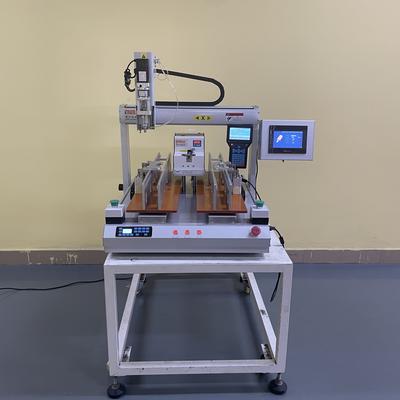
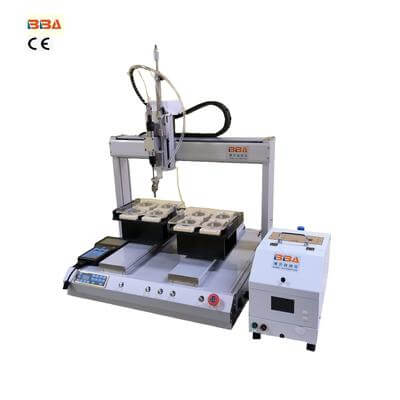
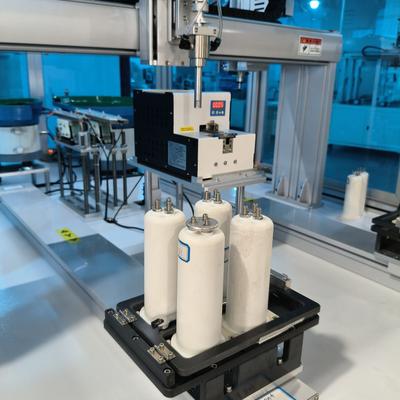
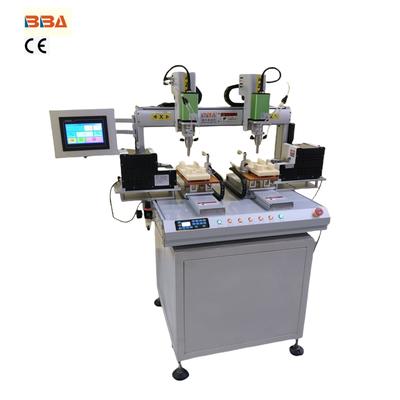
Automatic screw fastening systems, which include benchtop feeders and fully integrated robotic arms, are designed to address the limitations of manual labor. These systems automate the picking, driving, and tightening of screws with minimal human intervention. The primary advantage lies in their remarkable consistency and speed. They are engineered to apply the exact same torque to every single screw, drastically reducing the rate of defects and ensuring every product meets the same high-quality standard.
This automation translates directly into higher throughput and lower cycle times, making it the obvious choice for medium to high-volume production lines. While the upfront cost is higher, the return on investment is realized through reduced labor costs, less material waste from errors, and increased overall equipment effectiveness (OEE). Additionally, these systems free up skilled workers to focus on more value-added tasks such as quality inspection and process monitoring.
Key Consideration: The optimal choice is not always black and white. Many facilities successfully employ a hybrid model, using automation for high-volume, repetitive tasks and retaining manual stations for complex, low-volume, or rework applications.
Making the Right Choice for Your Operation
Selecting the best fastening method depends on a careful analysis of several factors specific to your operation:
- Production Volume: High-volume lines almost always benefit from automation.
- Product Complexity: Simple, repetitive designs are ideal for automation, while highly complex or frequently changing assemblies may require manual flexibility.
- Quality Requirements: Industries with stringent quality and traceability standards (e.g., automotive, aerospace, medical devices) often require the repeatability of automated systems.
- Budget: Consider both initial capital expenditure and long-term operational costs, including labor, downtime, and scrap.
- Ergonomics and Labor: Automation can mitigate repetitive strain injuries and help overcome challenges in finding manual labor.
In conclusion, there is no universal "better" option. Manual fastening offers flexibility and low cost for specific scenarios, but automatic screw fastening provides unparalleled speed, consistency, and efficiency for scalable manufacturing. The best solution is one that strategically balances your current needs with future growth, ensuring quality and productivity remain at the forefront of your assembly process. Evaluating your specific application requirements is the most crucial step toward selecting the optimal fastening strategy.