Robotic Screwdriver Maintenance Guide | Tips for Longevity & Performance
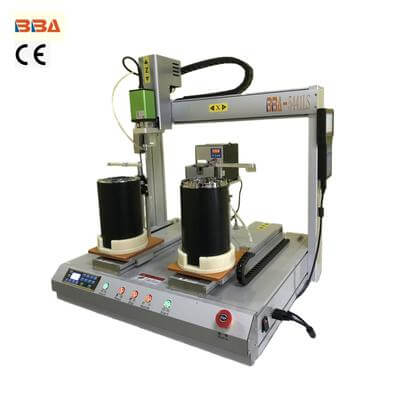
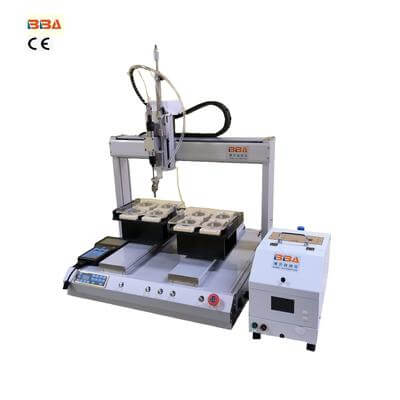
| Product Name | Applicable industries |
| Smart Screw Driving Machine | Laptop and Tablet Assembly |
Maintaining Your Robotic Screw Driving Machine for Longevity
Robotic screw driving machines are pivotal in modern assembly lines, offering unparalleled precision, speed, and consistency. As a cornerstone of industrial automation, protecting your investment through a structured maintenance regimen is not just recommended—it is essential. Proper care ensures these sophisticated machines operate at peak performance for years, minimizing unplanned downtime and safeguarding your production output.
Establishing a Proactive Maintenance Schedule
The most effective strategy for longevity is a proactive, scheduled maintenance plan. Reactive repairs, performed only after a failure occurs, often lead to extended downtime and more costly damage. Create a detailed calendar based on the manufacturer's guidelines and the specific operational demands of your facility. This schedule should include daily, weekly, monthly, and annual tasks tailored to the machine's usage intensity.
Key Daily and Weekly Checks
Consistent daily inspections are your first line of defense. Operators should visually inspect the machine for any obvious signs of wear, misalignment, or loose components. Check the screw feeder mechanism for any jams or debris that could affect feeding reliability. A quick test cycle can help verify that torque accuracy and driving depth remain within specified tolerances. Weekly, perform a more thorough cleaning of the feeder track and the driving bit holder to prevent the accumulation of dust and grease, which can lead to malfunctions.
Lubrication and Mechanical Component Care
The moving parts of your robotic screw driver, such as guide rails, gears, and the actuator, require appropriate lubrication to reduce friction and wear. However, it is crucial to use the correct lubricant specified by the manufacturer and apply it in the recommended quantities. Over-lubrication can attract dust and cause grime buildup, potentially clogging sensitive areas. Regularly inspect belts for tension and signs of wear, and ensure all mechanical connections are secure.
Calibration and Software Updates
Precision is the primary value of automation. Over time, vibrations and continuous operation can cause calibration to drift. Regularly scheduled calibration of the torque sensor and driving depth is non-negotiable for maintaining product quality. Furthermore, keep the machine's control software up to date. Manufacturers often release updates that improve performance, enhance security, and add new features that can optimize your machine’s efficiency.
Training and Documentation
Longevity is also a human factor. Ensure that all operators and maintenance technicians are thoroughly trained not only in how to use the machine but also in how to care for it. They should understand the importance of each maintenance task and be able to identify early warning signs of potential issues. Meticulously document every maintenance action, inspection, and repair. This logbook becomes an invaluable tool for tracking the machine's health, predicting future failures, and providing history if technical support is required.
In conclusion, the longevity of your robotic screw driving equipment is directly proportional to the quality of its upkeep. A disciplined, proactive approach to maintenance will maximize your return on investment, ensure consistent high-quality assembly, and keep your automated lines running smoothly for years to come.