Screw Locking Automation | Industrial Fastener Security Solutions
| Product Name | Applicable industries |
| CNC Screw Fastener | Laptop and Tablet Assembly |
In the world of industrial automation, reliability is everything. From assembly lines to heavy machinery, every component must perform consistently to avoid costly downtime and maintain productivity. One common yet often overlooked issue is loose screws. A single loose screw can lead to equipment failure, safety hazards, and significant operational delays. Fortunately, screw locking automation offers a modern, efficient solution to this age-old problem.
Loose screws are typically caused by vibration, thermal expansion, or improper installation. In manual processes, human error can exacerbate the issue, leading to inconsistent torque application or forgotten fasteners. Traditional methods like lock washers, thread-locking adhesives, or manual checks are time-consuming and not always effective. This is where screw locking automation steps in, providing a precise, reliable, and scalable approach to securing fasteners.
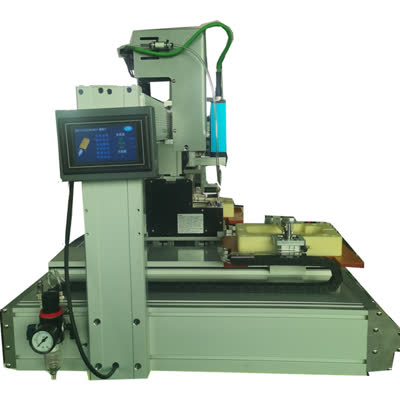
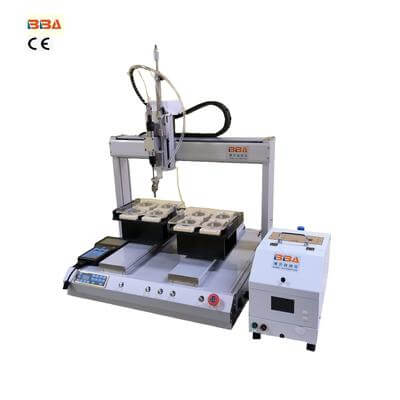
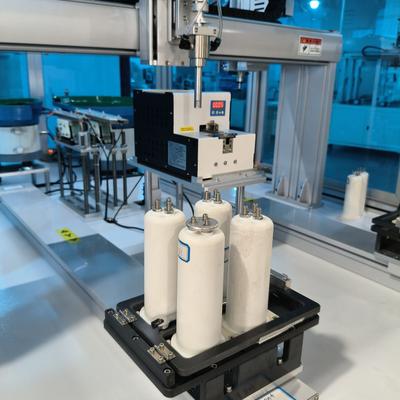
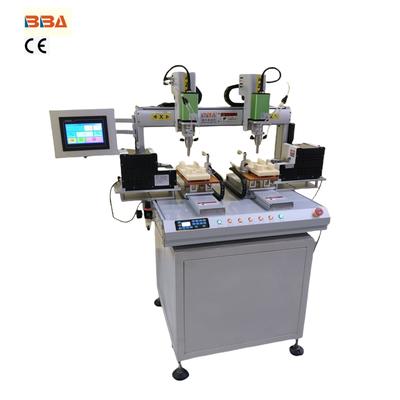
Screw locking automation systems integrate seamlessly into existing production lines. These systems use advanced technologies such as robotics, vision systems, and torque sensors to identify, tighten, and verify screws with exceptional accuracy. The process begins with a vision system locating each screw and assessing its initial tightness. A robotic arm then applies the correct torque, often with built-in feedback mechanisms to ensure consistency. Finally, the system rechecks the fastener to confirm it meets predefined standards.
One key advantage of automation is its ability to handle high-volume applications without fatigue. Unlike manual labor, automated systems maintain precision over long periods, reducing the risk of human error. Additionally, these systems can log data for each fastener, creating a traceable record for quality control and compliance purposes. This data-driven approach helps identify patterns, predict maintenance needs, and optimize processes over time.
Another benefit is versatility. Screw locking automation can be customized for various industries, from automotive and aerospace to electronics and consumer goods. Whether dealing with tiny screws in delicate devices or large bolts in heavy machinery, the technology adapts to different sizes, materials, and torque requirements. This flexibility makes it an invaluable tool for manufacturers seeking to improve product quality and operational efficiency.
Implementing screw locking automation also enhances workplace safety. By reducing the need for manual tightening in hard-to-reach or hazardous areas, it minimizes workers' exposure to potential injuries. Moreover, consistent fastener security prevents accidents caused by equipment failure, protecting both personnel and assets.
As industries continue to embrace Industry 4.0, the role of automation in maintenance and assembly will only grow. Screw locking automation is a prime example of how smart technology can solve practical problems, boost reliability, and drive innovation. For companies looking to future-proof their operations, investing in such solutions is not just an option—it's a necessity.
In summary, loose screws may seem like a minor issue, but they can have major consequences. Screw locking automation provides a robust, efficient, and data-rich method to ensure fasteners stay secure, supporting smoother operations and higher quality outcomes across industrial sectors.