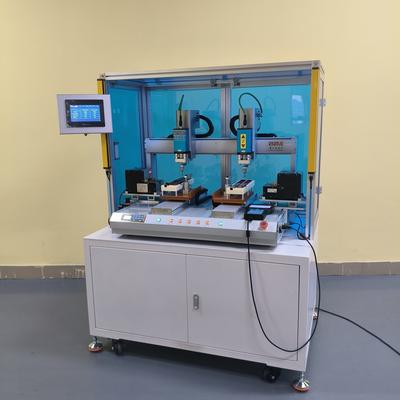
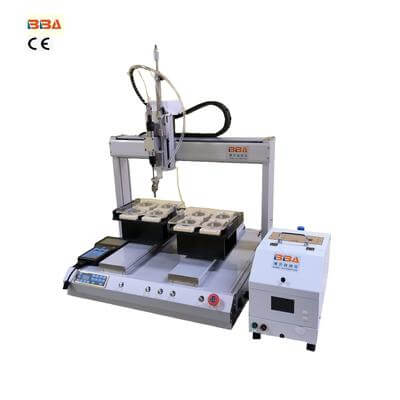
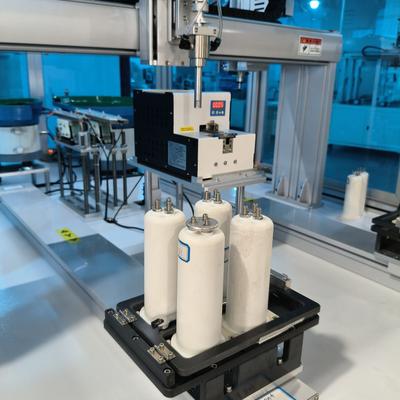
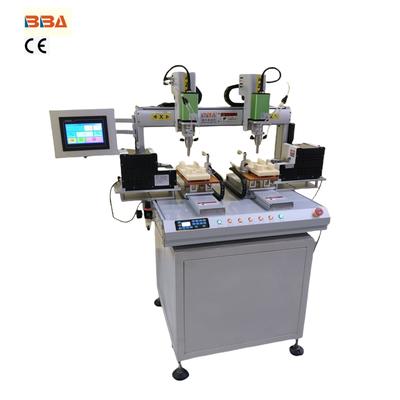
Interview: Why Our Client Upgraded to an Automatic Screw Locking Machine
In today's competitive manufacturing landscape, efficiency and precision are not just goals—they are necessities. We recently sat down with one of our long-term clients, a production manager at a leading electronics assembly plant, to discuss their experience after upgrading to our latest automatic screw locking machine. The insights they shared highlight the transformative impact of industrial automation on modern production lines.
The Challenge: Manual Inconsistency and Rising Costs
For years, the client's assembly line relied on manual screw tightening processes. "We faced numerous challenges," the production manager explained. "Human fatigue led to inconsistent torque application, resulting in product defects and rework. The process was slow, limiting our overall output. Additionally, labor costs were escalating, and it became increasingly difficult to retain skilled workers for such repetitive tasks." These issues not only affected productivity but also raised concerns about product quality and reliability.
The Decision to Upgrade
After evaluating several options, the client chose our automatic screw locking solution. "What stood out was the machine's precision, ease of integration, and robust technical support," the manager noted. "We needed a system that could seamlessly fit into our existing workflow without major disruptions. The ability to program exact torque settings for different product types was a key factor in our decision."
"The transition was smoother than anticipated. Within a week, the machine was fully operational, and our operators were trained to use it effectively. The immediate improvement in consistency was noticeable."
Tangible Benefits Realized
Since implementing the automatic screw locking machine, the client has observed significant improvements across multiple areas:
1. Enhanced Productivity: The automation of screw tightening has increased their assembly speed by 60%. Tasks that previously took hours now completed in minutes, allowing the line to handle higher volumes without additional labor.
2. Unmatched Precision: The machine ensures every screw is fastened with exact torque specifications, eliminating human error. This has reduced defect rates by 45% and minimized warranty claims due to assembly issues.
3. Cost Efficiency: Although the initial investment was considerable, the return on investment was achieved within eight months. Savings came from reduced labor costs, lower rework expenses, and decreased material waste.
4. Operator Satisfaction: By automating a monotonous task, operators can now focus on more value-added activities like quality control and process optimization. This has improved job satisfaction and reduced turnover.
Looking Ahead
The client is already planning to automate other segments of their production process. "This upgrade has not only solved our immediate problems but also opened our eyes to the broader possibilities of automation. We are now considering similar solutions for other assembly operations to further enhance our competitiveness," the manager shared.
This interview underscores the critical role of advanced automation technology in driving industrial growth. By addressing specific pain points with tailored solutions, manufacturers can achieve remarkable gains in efficiency, quality, and profitability. As industries continue to evolve, embracing such innovations will be essential for staying ahead in the market.