Energy Efficient Screw Locking Equipment | Modern Manufacturing Solutions
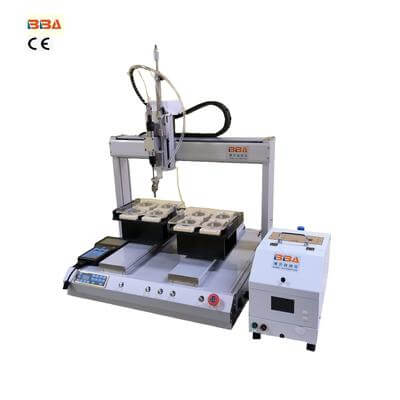
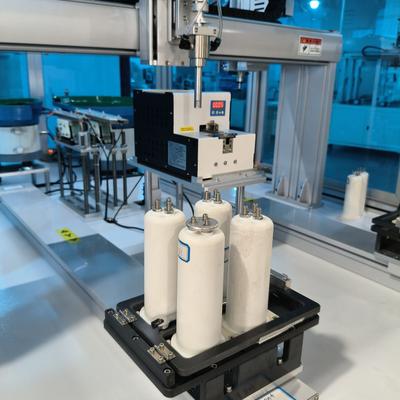
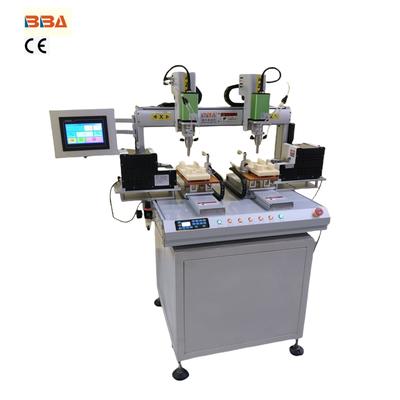
In modern manufacturing, energy efficiency has become a critical factor in reducing operational costs and meeting sustainability goals. Screw locking equipment, widely used across industries such as automotive, electronics, and aerospace, plays a significant role in assembly processes. However, traditional screw locking systems often consume substantial energy due to outdated designs and inefficient operation modes. This article explores the importance of energy efficiency in screw locking equipment and highlights innovative approaches to optimize performance while minimizing energy consumption.
One of the primary sources of energy waste in conventional screw locking systems is the constant operation of motors and actuators, even during idle periods. Advanced equipment now incorporates smart sensors and programmable logic controllers (PLCs) to detect when a screw driving process is required. By activating only when necessary, these systems reduce standby power consumption significantly. Additionally, regenerative braking technology can capture and reuse energy typically dissipated as heat during deceleration, further enhancing efficiency.
The adoption of servo motors in screw locking equipment has revolutionized energy management. Unlike traditional pneumatic or hydraulic systems, servo motors provide precise control over torque and speed, eliminating overconsumption and reducing energy waste. These motors operate only at the required power level for each task, adapting in real-time to varying material hardness or screw size. This flexibility not only saves energy but also extends equipment lifespan and improves accuracy.
Another key aspect is the integration of energy monitoring tools. Modern screw locking systems often feature built-in analytics to track energy usage per cycle, identify inefficiencies, and suggest improvements. By analyzing this data, manufacturers can adjust parameters such as torque settings or process sequences to optimize energy consumption without compromising quality. This data-driven approach supports continuous improvement and helps achieve long-term sustainability targets.
Furthermore, lightweight materials and optimized mechanical designs contribute to reduced energy demands. For instance, equipment with lower inertia components requires less power to accelerate and decelerate, resulting in lower overall energy consumption. Enhanced insulation and efficient cooling systems also minimize energy loss, ensuring that the equipment operates within ideal thermal conditions.
In conclusion, energy efficiency in screw locking equipment is achievable through a combination of smart technology, advanced motors, and data-driven optimization. Investing in energy-efficient solutions not only lowers operational costs but also supports environmental responsibility. As industries strive to greener manufacturing practices, upgrading screw locking systems represents a practical step toward a more sustainable future.
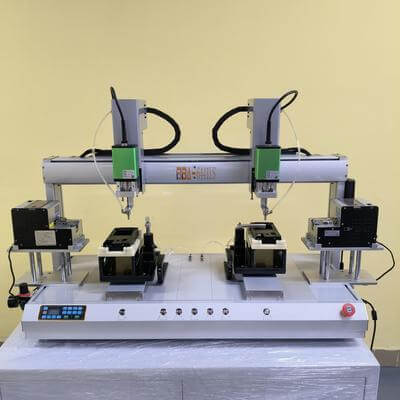
| Product Name | Applicable industries |
| Automatic Screw Feeder | Medical Device Manufacturing |