Multi-Axis Screw Fastening Machines Guide | Industrial Automation
A Beginner's Guide to Multi-Axis Screw Fastening Machines
In the fast-paced world of industrial manufacturing, efficiency, precision, and reliability are paramount. One technological advancement that has significantly elevated assembly line performance is the multi-axis screw fastening machine. These sophisticated systems are engineered to automate the process of driving multiple screws simultaneously, drastically reducing cycle times and minimizing human error. For those new to this technology, understanding its fundamentals, benefits, and applications is the first step toward revolutionizing your production process.
What is a Multi-Axis Screw Fastening Machine?
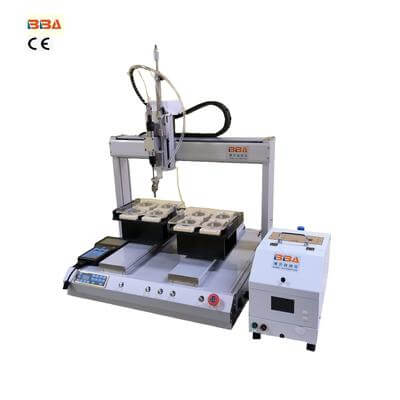
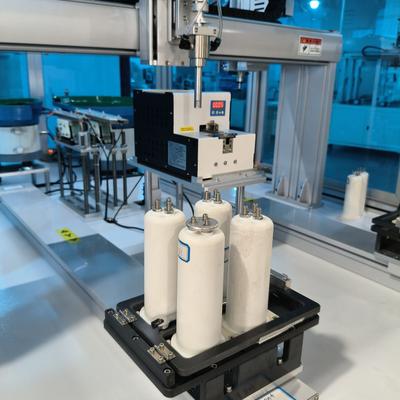
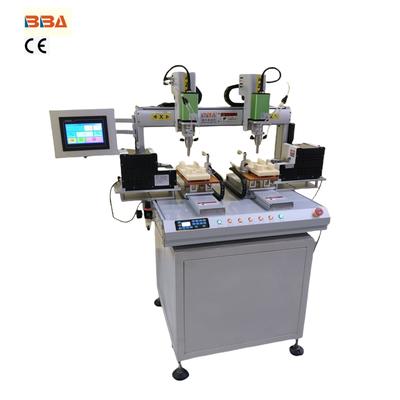
At its core, a multi-axis screw fastening machine is an automated system designed to insert and tighten multiple screws into a product or assembly in a single, coordinated operation. Unlike traditional single-spindle machines that handle one screw at a time, these machines feature several independent or synchronized spindles—often referred to as "axes"—that can work concurrently. Each spindle is typically equipped with its own motor, controller, and tooling, allowing it to perform its task with high precision. The number of axes can vary significantly, from two to over twenty, depending on the complexity of the assembly task.
Key Takeaway: The primary advantage of a multi-axis system is its ability to perform multiple screw fastening operations in the time it would take a single-spindle machine to complete just one. This parallel processing capability is a game-changer for high-volume production environments.
Key Components and How They Work
To appreciate how these machines deliver such impressive performance, it's helpful to understand their main components:
- Spindles: These are the driving units that contain the motors and screwdriver bits. Each spindle operates independently and can often be programmed for specific torque and angle parameters.
- Controller: The brain of the operation. A sophisticated programmable logic controller (PLC) or industrial PC synchronizes the movement and action of all spindles, ensuring they work in harmony.
- Feeding System: This subsystem automatically supplies screws to each spindle. Common methods include bowl feeders, tape-on-reel systems, or flexible feeding tracks, ensuring a continuous and reliable supply of fasteners.
- Vision or Positioning System: Many advanced machines incorporate cameras or sensors to verify the correct location of screw holes and ensure perfect alignment before fastening, guaranteeing impeccable quality.
The operation begins when a product is positioned under the machine, often on a conveyor or fixture. The controller then directs the spindles to their target locations. Once aligned, the screws are fed, driven, and tightened to the exact predefined specifications. The entire process is seamless, rapid, and repeatable.
Major Advantages for Modern Manufacturing
Integrating a multi-axis screw fastening machine into an assembly line offers a multitude of compelling benefits:
- Unmatched Productivity: The simultaneous fastening action slashes assembly time, enabling a higher output rate and meeting demanding production schedules with ease.
- Superior Consistency and Quality: Automated systems eliminate the variability of manual labor. Every screw is driven with identical torque and depth, drastically reducing the risk of product defects, cross-threading, or loose screws.
- Reduced Labor Costs and Ergonomics: Automating a repetitive and potentially strenuous task frees human operators for higher-value work and reduces the risk of repetitive strain injuries.
- Enhanced Flexibility: Modern machines are highly programmable. With quick changeovers between products and easy adjustment of torque settings, the same machine can be used for various assemblies, making it ideal for batch production.
- Comprehensive Data Tracking: Most systems provide detailed data logs for each tightening operation, creating a traceable record for quality assurance and compliance purposes.
Common Industrial Applications
The versatility of multi-axis screw fastening machines makes them suitable for a wide range of industries. They are particularly prevalent in sectors where products contain numerous screws in a compact area. Typical applications include:
- Electronics: Assembling smartphones, laptops, servers, and circuit boards.
- Automotive: Installing interior trim, dashboard components, and electronic control units.
- Appliance Manufacturing: Building washing machines, dishwashers, and microwave ovens.
- Telecommunications: Producing routers, switches, and base station equipment.
For any manufacturer looking to boost their assembly capabilities, investing in multi-axis screw fastening technology is a strategic move toward greater automation, efficiency, and product quality. By understanding these fundamental principles, beginners can confidently explore how this powerful technology can be integrated into their own operations to drive future growth.
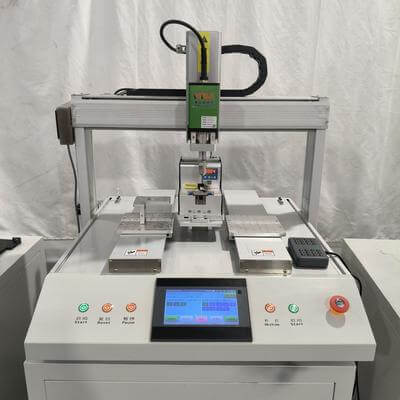
| Product Name | Applicable industries |
| Servo Screwdriver Robot | Smart Wearables Production |