Importing Screw Fastening Machines: Key Factors for Industrial Automation
| Product Name | Applicable industries |
| Servo Screwdriver Robot | LED Lighting Industry |
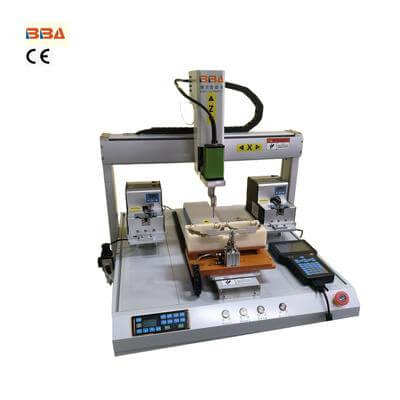
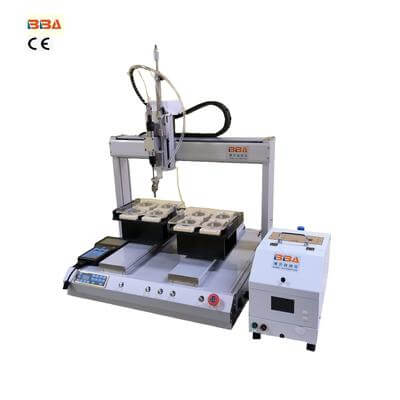
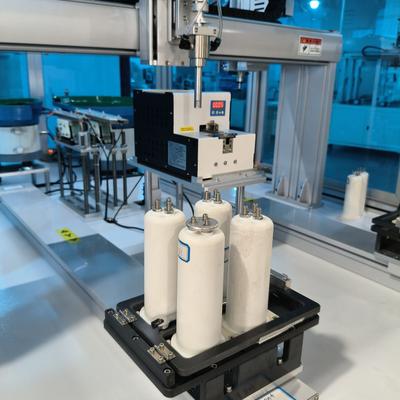
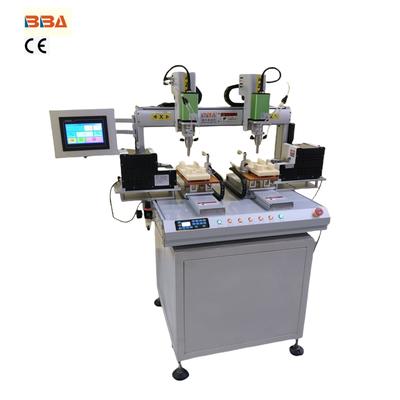
Industrial automation continues to transform manufacturing processes worldwide, and screw fastening machines are among the core components driving efficiency, precision, and reliability in assembly lines. For companies looking to enhance their production capabilities, importing screw fastening machines can be a strategic move. However, the process requires careful consideration of several factors to ensure a successful investment.
When selecting a screw fastening machine, it is essential to evaluate your specific application requirements. Factors such as torque accuracy, speed, flexibility, and compatibility with existing systems should guide your decision. High-precision tasks, like those in electronics or automotive assembly, may demand machines with advanced control systems and real-time monitoring capabilities. Understanding your production volume and workflow will help determine whether a standalone unit or an integrated automated solution is more suitable.
Another critical aspect is the technical support and service provided by the supplier. Given the complexity of modern screw fastening systems, having access to reliable maintenance, training, and spare parts is vital for minimizing downtime. Ensure that the supplier offers comprehensive after-sales support and that documentation, such as manuals and software guides, is available in your preferred language.
Compliance with international standards and regulations is also a key consideration. Verify that the equipment meets safety and quality requirements applicable in your region. This includes checking for certifications like CE, ISO, or UL, which indicate adherence to globally recognized benchmarks. Additionally, consider the machine’s energy efficiency and environmental impact, as sustainable practices become increasingly important in industrial operations.
Logistics and customs processes can pose challenges when importing machinery. Partnering with experienced freight forwarders and customs brokers can streamline the importation, ensuring timely delivery and compliance with all legal formalities. Be prepared for potential costs such as tariffs, taxes, and shipping fees, and factor these into your overall budget.
Finally, think about the long-term adaptability of the machine. As technology evolves, having equipment that can be upgraded or integrated with smart factory systems will protect your investment and keep your operations competitive. Look for features like IoT connectivity and data analytics capabilities, which can provide valuable insights for optimizing production processes.
Importing screw fastening machines can significantly enhance your manufacturing efficiency and product quality. By carefully assessing your needs, verifying supplier reliability, ensuring compliance, and planning for logistics, you can make a well-informed decision that supports your company’s growth and innovation goals.