Automated Screw Assembly Machines for LED & Lighting Manufacturing | Precision Automation
| Product Name | Applicable industries |
| Automatic Screw Feeder | PCB and Circuit Board Assembly |
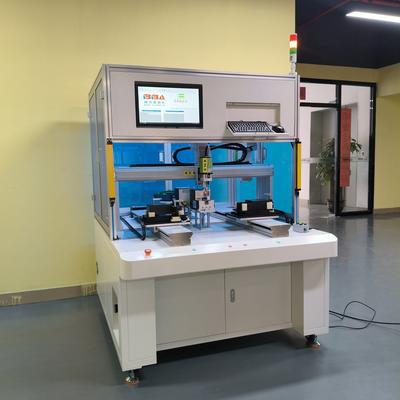
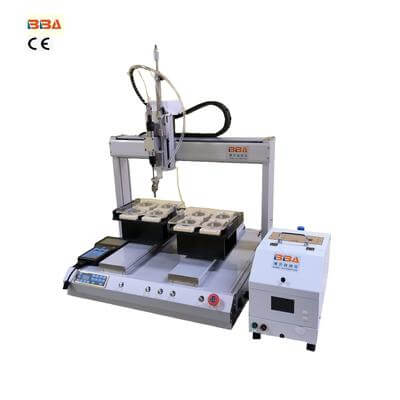
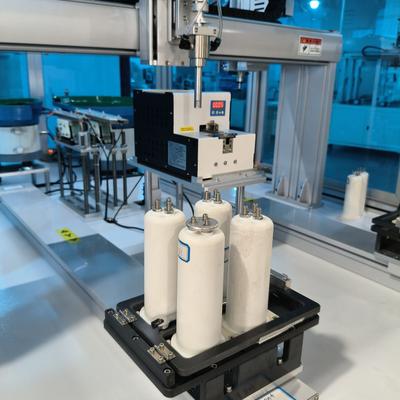
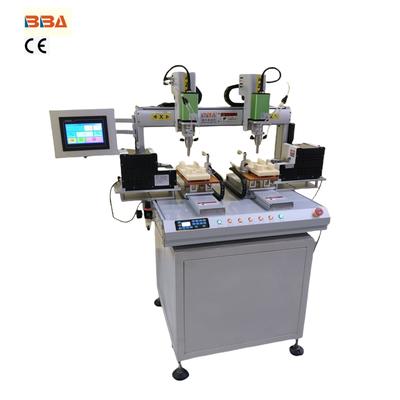
Screw Assembly Machines for Lighting and LED Production
The lighting industry, particularly the LED sector, is characterized by rapid innovation, stringent quality requirements, and intense global competition. In this high-stakes environment, manufacturing efficiency and product reliability are not just goals—they are imperatives. This is where advanced screw assembly automation becomes a critical component of the production line, transforming how lighting products are built.
The Precision Challenge in Lighting Assembly
Lighting fixtures and LED modules are intricate assemblies often comprising delicate components like lenses, heat sinks, driver cases, and fragile electrical connections. Manual screw driving, while seemingly simple, introduces significant variability. Over-torquing can crack housings, strip threads, or damage sensitive electronics, leading to field failures and returns. Under-torquing can result in loose connections, causing flickering, poor thermal management, and potential safety hazards. Automated screw assembly machines eliminate this human variability, applying exact, predetermined torque values every single time. This ensures a consistent, reliable, and secure fit for everything from a small GU10 base to a large streetlight housing.
Boosting Productivity and Scalability
Beyond ensuring quality, automation is a powerful driver for increased output. Modern screw assembly systems are engineered for high-speed operation, capable of driving multiple screws simultaneously or completing a complex pattern of fasteners in a fraction of the time a human operator would require. This speed is crucial for meeting the high-volume demands of the consumer and commercial lighting markets. Furthermore, these automated systems are inherently scalable. As production volumes grow, the machinery can be integrated into larger automated lines, working seamlessly with robotic part placement, conveyors, and automated testing stations. This creates a continuous, streamlined workflow that drastically reduces cycle times and labor costs.
Enhanced Traceability and Data-Driven Manufacturing
In today's connected industrial landscape, data is king. Sophisticated screw assembly machines are equipped with sophisticated controllers and sensors that provide a wealth of data for quality control and traceability. Every screw driven is recorded, with data points such as torque, angle, and time stamped and logged. This creates an immutable record for each unit produced, which is invaluable for quality audits and root cause analysis should an issue arise. This level of traceability is increasingly demanded by large clients and is essential for adhering to industry standards.
Adapting to Diverse Product Lines
The versatility of modern automated assembly is a key advantage. Lighting manufacturers often produce a vast array of products, from small bulbs to large architectural luminaires. A well-designed screw assembly system can be quickly reconfigured with different drivers, bits, and feeding systems to accommodate various screw types, sizes, and positions. Flexible automation solutions, including 6-axis robots equipped with screwdriving heads, can handle complex geometries and adapt to new product designs with minimal downtime for reprogramming and tooling changes. This flexibility future-proofs the production investment.
Conclusion: A Brighter, More Efficient Future
The integration of precision screw assembly automation is no longer a luxury for lighting and LED producers; it is a strategic necessity. It is the foundation upon which manufacturers can build a reputation for flawless quality, achieve new levels of productivity, and remain agile in a dynamic market. By ensuring every connection is perfectly secured, these robust machines are quite literally helping to build a brighter, more reliable, and more efficient future—one screw at a time.