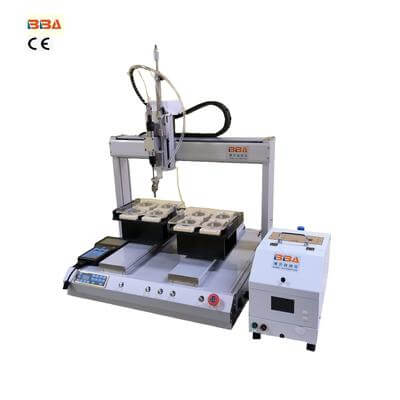
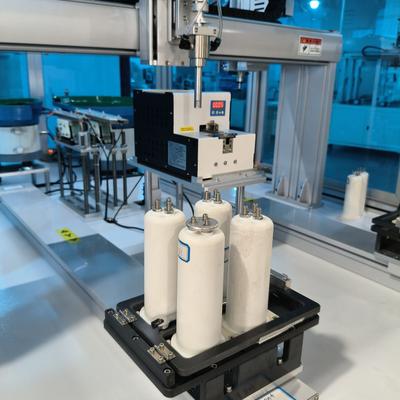
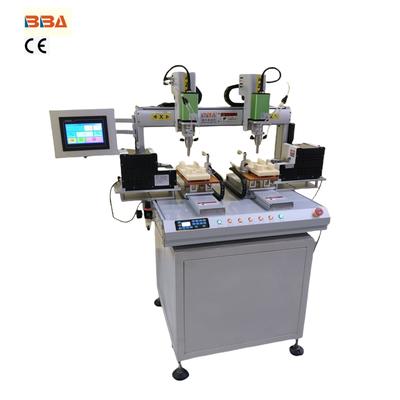
Desktop Screw Fastening Systems: Balancing Speed & Accuracy | Industrial Automation
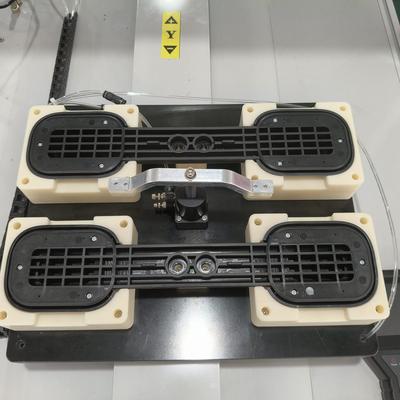
| Product Name | Applicable industries |
| Smart Screw Driving Machine | Electric Bicycle Assembly |
In the world of industrial automation, desktop screw fastening systems play a critical role in assembly processes across various industries. One of the most common dilemmas faced by manufacturers is the trade-off between speed and accuracy. While both factors are essential for efficient production, finding the right balance can significantly impact overall productivity and product quality.
Speed is often a top priority in high-volume production environments. Faster screw fastening systems can reduce cycle times, increase throughput, and lower labor costs. However, prioritizing speed without considering accuracy can lead to costly errors. Over-tightening, under-tightening, or cross-threading can result in product defects, rework, or even recalls. These issues not only affect the bottom line but also damage a company's reputation.
On the other hand, accuracy ensures that each screw is fastened with precision, meeting strict torque and quality requirements. This is particularly important in industries such as electronics, medical devices, and aerospace, where reliability and safety are paramount. However, overly cautious systems that focus solely on accuracy may slow down the production process, reducing output and increasing costs.
Modern desktop screw fastening systems are designed to address this challenge by incorporating advanced technologies. For example, some systems feature real-time torque monitoring and feedback mechanisms. These allow the system to adjust on the fly, ensuring that each screw is fastened correctly without sacrificing speed. Additionally, programmable settings enable operators to customize parameters based on specific application needs, providing flexibility without compromising performance.
Another key innovation is the integration of smart sensors and machine learning algorithms. These technologies enable predictive maintenance, reducing downtime by identifying potential issues before they escalate. They also help optimize the speed-accuracy balance by learning from historical data and making real-time adjustments.
When selecting a desktop screw fastening system, it is essential to consider the specific requirements of your application. For instance, if your production line involves delicate components, accuracy may take precedence. Conversely, if you are operating in a high-volume setting, speed might be more critical. Fortunately, many of today's systems offer a range of options to suit diverse needs.
In conclusion, the relationship between speed and accuracy in desktop screw fastening systems is not a zero-sum game. With the right technology and approach, manufacturers can achieve both without compromise. By investing in systems that prioritize intelligent design and adaptability, companies can enhance their production efficiency, improve product quality, and maintain a competitive edge in the market.